2026 Top CNC Milling and Turning Suppliers Worldwide?
Choosing reliable CNC suppliers in 2026 requires more than comparing attractive websites or low hourly rates. This guide examines leading global companies offering Cnc Milling And Turning services for industrial buyers. It considers machining experience, equipment capability, material control, inspection systems, delivery performance, and customer communication. A supplier may operate modern five-axis machines, yet still struggle with documentation or repeatability. That difference matters when a housing must fit within tight tolerances or a turned shaft needs consistent surface finish.
The selection process focuses on evidence rather than promotional language. Relevant indicators include ISO certifications, CMM inspection, in-process measurement, traceable material certificates, and clearly defined quality procedures. We also consider practical details, such as prototype support, production capacity, packaging, engineering feedback, and responses to drawing changes. Supplier locations, export experience, and communication standards can influence total project risk. A polished factory tour is useful, but verified samples and inspection reports are stronger evidence.
No ranking is perfect. Supplier capabilities change, and public information can become outdated. Buyers should confirm current machinery, certifications, lead times, and pricing before placing an order. We may also overlook smaller specialists with excellent craftsmanship. That deserves reflection. Even so, this overview offers a practical starting point for comparing worldwide CNC milling and turning partners in 2026. The goal is not to promote one region, but to help manufacturers make careful, evidence-based decisions.
What CNC Milling and Turning Suppliers Provide
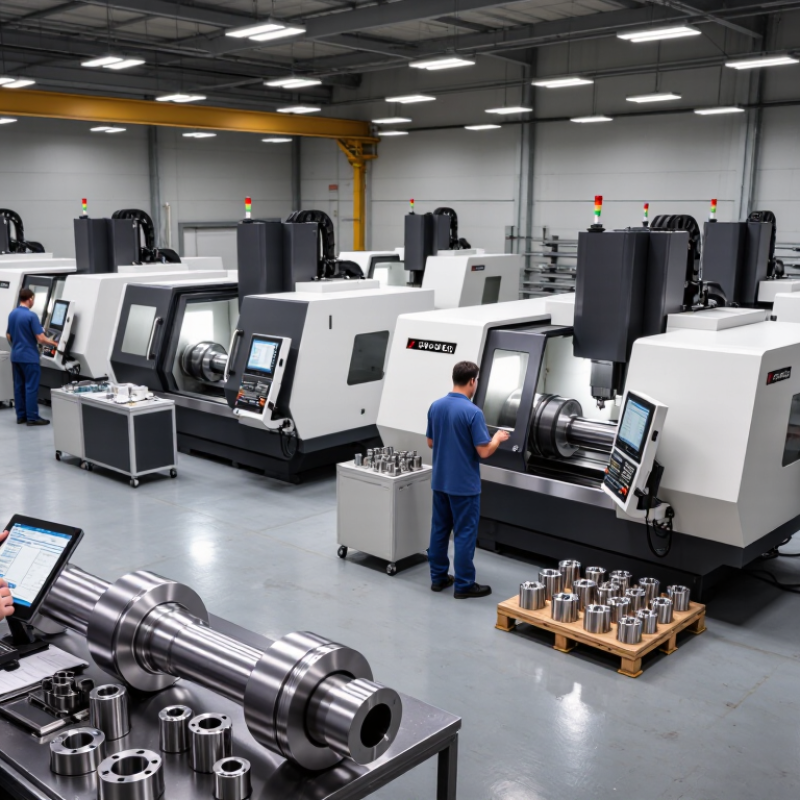
CNC milling and turning suppliers provide more than machine time. They help convert drawings into repeatable, measurable parts. A reliable supplier reviews tolerances, material grades, surface finishes, and production quantities before cutting metal. This early review can expose a weak radius, an unreachable hole, or an unnecessarily expensive tolerance.
Milling suppliers typically produce complex faces, pockets, slots, and angled features. Turning suppliers handle shafts, bushings, threaded components, and other round parts. Many offer prototype machining, small batches, and larger production runs. They may also provide aluminum, stainless steel, brass, engineering plastics, and heat-resistant alloys. Experienced teams use calibrated coordinate measuring machines, tool presetters, and documented inspection plans. Ask for inspection reports. Do not rely on photographs alone.
Strong suppliers can support CAD file checks, design-for-manufacturing feedback, deburring, anodizing, plating, heat treatment, packaging, and delivery coordination. They should explain achievable tolerances instead of promising everything. That matters.
No supplier is flawless. A rushed drawing can still create confusion, even with skilled engineers. I have seen small datum errors delay an otherwise simple batch. Clear revision control, sample approval, and written acceptance criteria reduce that risk. Buyers should also confirm machine capacity, operator experience, traceability, and response times. The lowest quotation may exclude inspection, finishing, or realistic setup costs. A transparent quotation is often more useful than a cheap one.
2026 Top CNC Milling and Turning Suppliers Worldwide: What They Provide
Leading CNC suppliers commonly provide milling, turning, Swiss machining, grinding, and EDM services. The chart compares representative achievable dimensional tolerances for these processes; actual results depend on material, part geometry, machine condition, inspection methods, and production volume.
How the Global CNC Supplier Market Is Structured in 2026
How the Global CNC Supplier Market Is Structured in 2026
The global CNC supplier market in 2026 is divided into several practical layers. Large contract manufacturers manage complex programs, multiple machining centers, and international quality systems. Mid-sized suppliers often specialize in aerospace parts, medical components, automotive tooling, or industrial assemblies. Smaller workshops compete through speed, flexibility, and close engineering support. The structure is less about one “top supplier” and more about matching capability with production risk. A five-axis facility may handle titanium housings, while a compact turning shop produces stainless steel shafts in weekly batches. Regional clusters remain important because skilled labor, material access, logistics, and inspection services influence real costs.
Tips: Check machine capacity, tolerance records, inspection methods, and delivery history. Ask for sample documentation. Do not rely on attractive hourly rates alone. A low quote can hide weak process control, delayed materials, or repeated setup work. This is where buyers sometimes misjudge suppliers.
Digital procurement is also reshaping the market. Suppliers now use online quoting, automated scheduling, and production dashboards to serve overseas customers. Yet digital visibility does not guarantee manufacturing discipline. Buyers should review certificates, audit records, measurement reports, and corrective-action practices. Communication matters too. A supplier that reports a deviation early may be more reliable than one promising perfect delivery. The market is becoming more connected, but not necessarily simpler. Some published capacity figures are difficult to verify, and buyers should remain cautious.
Key Criteria for Evaluating CNC Milling and Turning Suppliers
Choosing a CNC milling and turning supplier in 2026 requires more than comparing hourly rates. Evaluate practical experience with your materials, tolerances, and production volumes. A capable supplier should explain cutting strategies, fixture design, and tool-life control in clear terms. Ask for sample inspection reports, not polished promises.
Quality evidence matters. Check whether the supplier uses calibrated gauges, coordinate measuring machines, and documented inspection plans. Request traceability from raw material certificates to final parts. Their process should identify who approved each measurement and when. Visit the facility if possible. Look at chip control, machine cleanliness, and in-process checks. These details reveal habits that brochures often hide.
Capacity and communication also deserve close attention. Confirm available machine types, maximum workpiece sizes, backup equipment, and realistic lead times. A supplier that accepts every project may lack production discipline. I have seen impressive prototypes fail during repeat production because fixture wear was ignored. That weakness should not be dismissed. Ask how they handle nonconforming parts, engineering changes, and urgent adjustments. Review corrective-action records when available. Clear replies are useful, but consistent evidence is stronger. Compare total cost, including programming, tooling, inspection, packaging, and freight. The lowest quotation can become expensive after rework and delays. Supplier evaluation is not perfectly objective; internal teams may overlook communication risks when technical samples look excellent.
How to Choose the Right CNC Supplier for Your Project
Choosing the right CNC supplier in 2026 requires more than comparing hourly rates. Your project needs a partner who understands materials, tolerances, production volume, and delivery pressure. Ask about similar parts they have made, not just the machines on their floor. Review sample inspection reports, process records, and certifications relevant to your industry. Ask for evidence.
A capable supplier should explain how they control tool wear, surface finish, dimensional variation, and heat-related distortion. Request a clear quotation with material grade, tolerances, finishing, packaging, and lead time listed separately. Confirm whether engineering support is available before production begins. A short design review can reveal weak walls, difficult corners, or unnecessary machining costs. Details matter.
Communication is equally important. Notice how quickly and precisely the supplier answers technical questions. Vague replies may create expensive delays later. I once underestimated the value of a small pilot batch; it exposed a fixture problem before full production. That mistake was useful, but avoidable. Ask how they handle nonconforming parts, revision changes, and urgent replacements. You should also clarify ownership of drawings and inspection data. The lowest quote can become costly when rework, freight, or missed deadlines appear. Choose the supplier whose process feels transparent, measurable, and suitable for your actual risk—not merely attractive on paper.








 Find Your Solutions ▶