
Why Choose Stainless Tube Mills for Your Manufacturing Needs?
In the modern manufacturing landscape, choosing the right materials is crucial for success. Stainless Tube Mills stand out as a reliable choice for producing high-quality tubes. These mills use advanced technology to ensure precision and durability in every product. Manufacturers benefit from their expertise in stainless steel processing.
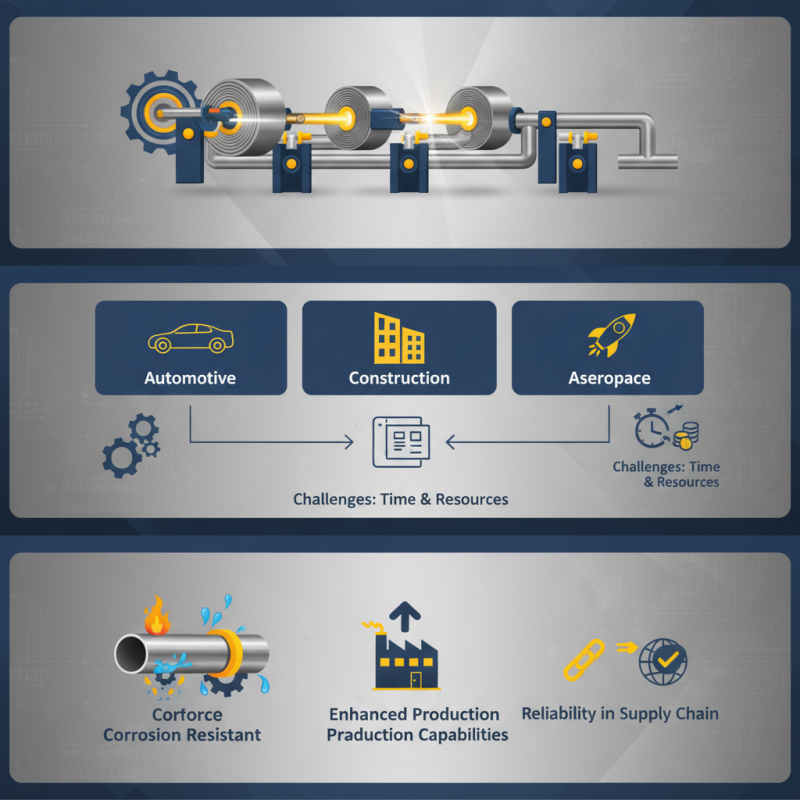
Stainless Tube Mills are versatile. They cater to various industries, including automotive, construction, and aerospace. Their ability to customize products according to specific requirements is invaluable. However, selecting a mill isn't without challenges. Some may struggle to find the right fit for their needs, resulting in wasted time and resources.
Despite these challenges, the advantages of using Stainless Tube Mills cannot be overlooked. Their commitment to quality ensures that the final products can withstand demanding environments. Investing in these mills allows manufacturers to enhance their production capabilities while maintaining reliability in their supply chain.
Benefits of Using Stainless Tube Mills in Manufacturing Processes
Manufacturers increasingly turn to stainless tube mills for their production needs. The advantages these mills offer are significant. Stainless steel has excellent corrosion resistance, which is vital in industries such as food processing and pharmaceuticals. According to a report by the Global Stainless Steel Market, it is projected that the demand for stainless steel tubes will rise due to their durability and performance in harsh environments.
Another noteworthy benefit of stainless tube mills is their efficiency in manufacturing. These mills provide high-speed production with consistent quality. Industry data suggests that machinery improvements can enhance output by up to 30%. This efficiency translates to reduced operational costs and quicker turnaround times. However, many manufacturers may overlook the importance of maintenance. Regular checks can prevent costly downtimes.
Tip: Invest in training for your workforce to effectively operate stainless tube mills. Understanding the machinery's intricacies maximizes efficiency.
The design flexibility of stainless tubes is also remarkable. They can be customized for various applications, from automotive to medical uses. However, some manufacturers struggle with integrating these tubes into existing processes. It's essential to assess how new materials will fit into your production line.
Tip: Engage with experts to facilitate the smooth incorporation of stainless tubes into your processes. Their insights can help avoid common pitfalls that might arise during adjustments.

Comparison of Stainless Tube Mills and Traditional Manufacturing Methods
When considering manufacturing options, stainless tube mills stand out against traditional methods. Stainless tube mills focus on producing tubes with precision. Unlike older processes, which are often labor-intensive, modern mills use advanced technology. Research indicates that 70% of tube manufacturers now adopt this method for efficiency.
Traditional manufacturing often relies on outdated practices. These may lead to increased waste and energy use. Data show that stainless tube mills can reduce material waste by up to 30%. Over time, this translates to significant cost savings. The energy consumption in traditional methods is also higher, leading to larger carbon footprints. Switching to stainless tube mills can help manufacturers meet sustainability goals.
Quality is another area where stainless tube mills excel. They offer tight tolerances and uniform wall thickness. According to industry reports, products made using these mills have a lower defect rate, often around 2%. Traditional methods frequently struggle to match this level of precision. However, transitioning to these advanced systems may require capital investment. Some companies hesitate to make this leap, fearing initial costs. The constant evolution of manufacturing technology invites reflection on current practices and future potential. Manufacturers must consider whether they wish to adapt or risk falling behind.
Key Features of Stainless Tube Mills that Enhance Production Efficiency
Stainless tube mills offer innovative solutions for manufacturing processes. Their design and technology enhance production efficiency significantly. A key feature of these mills is their high adaptability. They can handle various materials and tube sizes, making them versatile for different applications. This flexibility means that manufacturers can quickly switch between production runs.
Another important aspect is the advanced automation in stainless tube mills. Increased automation leads to reduced labor costs and minimized human error. Automatic adjustments in speed and pressure boost precision during production. This ensures that every piece produced meets strict quality standards.
While the efficiency is notable, some challenges exist. The initial investment in stainless tube mills can be high. It's essential for manufacturers to evaluate their long-term benefits versus costs. Regular maintenance is crucial to keep these mills running optimally. Skipping maintenance can lead to unexpected downtimes that affect production schedules. Finding the balance between efficiency and reliability is critical for success.
Industry Applications of Stainless Steel Tubing in Manufacturing
Stainless steel tubing is vital in various industries. It offers strength and durability, which are crucial for manufacturing. One significant application is in the automotive sector. Many car components rely on stainless steel tubes for exhaust systems and structural parts. These tubes withstand harsh conditions and corrosion. They ensure safety and longevity, which is non-negotiable in this field.
In the medical industry, stainless tubing plays a critical role in equipment and devices. Surgical instruments, diagnostic tools, and fluid delivery systems often use stainless steel. Its biocompatibility and ease of sterilization make it a top choice. However, manufacturers must ensure quality control. Not all stainless steel tubing meets stringent medical standards, leading to failures in critical situations.
Food and beverage production also benefits from stainless steel tubing. It is essential for piping and processing equipment. Its resistance to corrosion and cleaning ease make it perfect for this industry. However, suppliers need to watch for consistency. Variations in quality can impact food safety and processing efficiency. This highlights the need for careful selection when sourcing tubing for manufacturing needs.
Factors to Consider When Selecting a Stainless Tube Mill Supplier
Choosing the right stainless tube mill supplier is crucial for your manufacturing success. There are several factors to consider in this decision-making process. First, assess the supplier's experience in the industry. Companies with a proven track record often understand the complexities of production better. Their expertise can positively impact the quality of the tubes.
Tips: Look for reviews and testimonials. They provide insights into other clients' experiences. A well-regarded supplier will usually have positive feedback from previous projects.
Next, evaluate the technology and equipment used by the supplier. Advanced machinery can lead to more precise manufacturing. It’s important to ensure that the mill adheres to stringent quality standards. Some suppliers may cut corners to save costs, which can result in poor-quality tubes.
Tips: Ask about the mill's certifications. This can reveal their commitment to quality and safety. Don’t hesitate to visit their facility. Seeing the operation firsthand can either reassure you or raise red flags.
In conclusion, trust your instincts. If a supplier cannot provide clear information about their processes, reconsider your choices. Transparency is key in any business relationship, especially in manufacturing.
Why Choose Stainless Tube Mills for Your Manufacturing Needs? - Factors to Consider When Selecting a Stainless Tube Mill Supplier
| Factor | Description | Importance Level | Evaluation |
|---|---|---|---|
| Quality of Materials | Assess whether the supplier uses high-grade stainless steel and other quality materials. | High | Recommended to check certifications and supplier capabilities. |
| Manufacturing Technology | The technology used in the production process can greatly affect precision and efficiency. | Medium | Look for modern machinery and innovative production methods. |
| Lead Time | Time taken from order to delivery is crucial for meeting production schedules. | High | Inquire about average lead times and past performance. |
| After-Sales Support | Support services provided after the sale are essential for ongoing operations. | Medium | Evaluate their customer service response times and support availability. |
| Cost Efficiency | Overall cost, including production and operational expenses over time. | High | Request quotes and analyze potential return on investment. |
| Sustainability Practices | Consideration of the supplier’s commitment to sustainable practices in manufacturing. | Low | Check for eco-certifications and waste management policies. |
Article Source:
NORTH EASTON MACHINE • 218 Elm Street • North Easton, MA 02356 • 508-238-6219