What is Turning Machining and How is it Used in Industry?

Turning machining is a crucial process in various industries, shaping materials into precise components. Experts emphasize its significance. John Smith, a leading expert in machining, states, "Turning machining is essential for creating complex shapes with high precision." This reflects the core value of this technique in modern manufacturing.

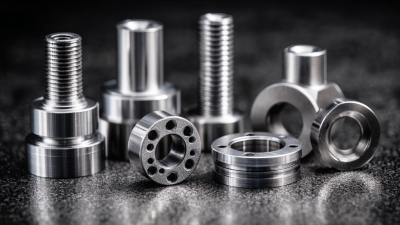
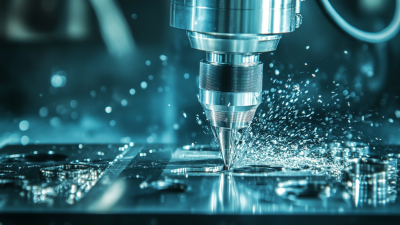
The process involves rotating a workpiece against cutting tools. It produces cylindrical parts like shafts and bushings. Notably, turning machining allows for excellent surface finishes and tight tolerances. Yet, it is not without challenges. Skilled operators must minimize errors during setup and tool changes. Any inconsistency can lead to costly waste or defective parts.

Industry applications are vast. Automotive, aerospace, and electronics often rely on turning machining for critical components. Despite its effectiveness, some may overlook its complexity. Balancing speed and accuracy requires constant attention. Turning machining exemplifies the blend of technology and skill, continuously pushing the boundaries of manufacturing capabilities.
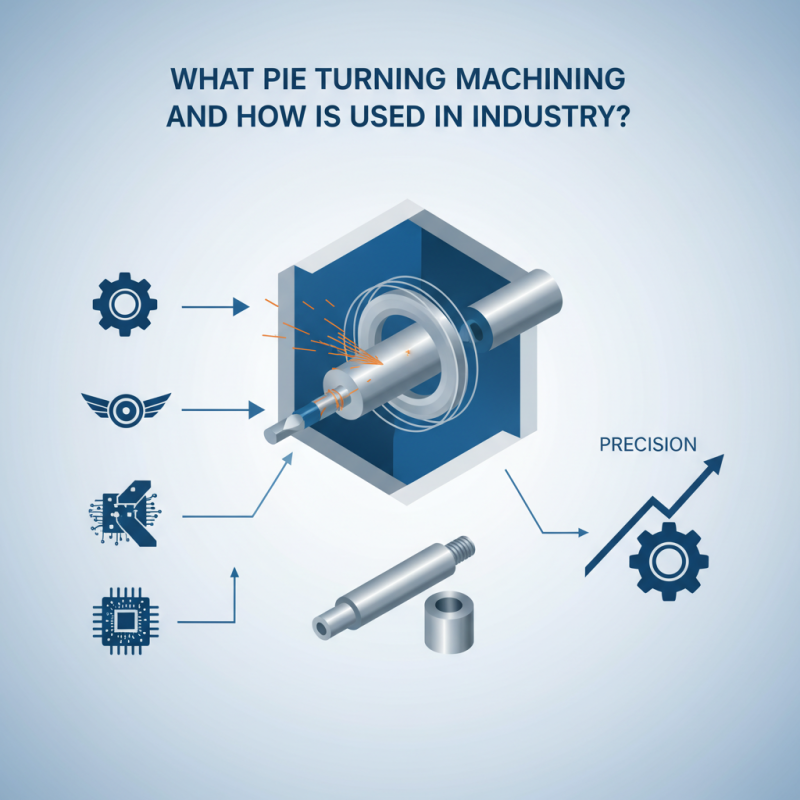
What is Turning Machining and How is it Used in Industry?

Definition of Turning Machining and Its Key Principles

Turning machining is a vital manufacturing process. It involves rotating a workpiece while a cutting tool shapes it. This method is central to precision engineering. According to a report by Grand View Research, the global CNC machine tools market is projected to reach $100 billion by 2027. This reflects a growing reliance on turning for high-quality parts.

Key principles of turning machining include tool geometry and material properties. The effectiveness of tools hinges on how they are designed and used. A sharp tool can significantly enhance productivity. Yet, tool wear is an inevitable challenge. Ongoing maintenance is necessary for optimal performance. Industry experts stress the importance of adjusting cutting speeds and feeds. A slight oversight can lead to defects in parts.

Turning machining finds applications across various sectors, such as aerospace, automotive, and medical devices. These industries demand high precision and reliability. Data from MarketsandMarkets indicates that the aerospace segment represents a substantial portion of turning machining demand. However, the environmental impact of machining processes raises questions. Sustainable practices in turning are under discussion but require industry-wide commitment.
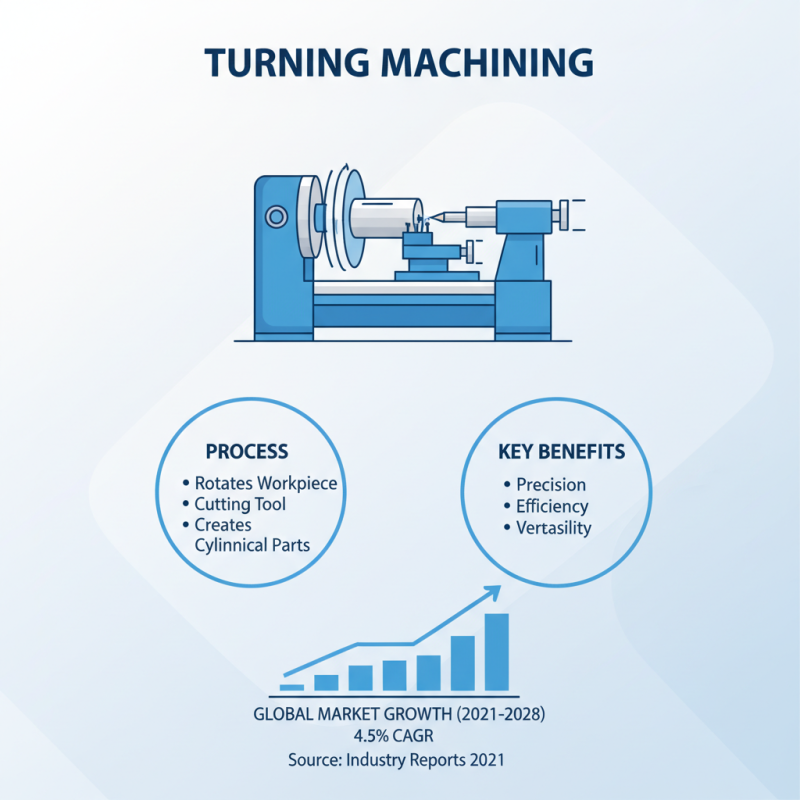
Common Materials Used in Turning Machining Processes

Turning machining is a vital process in manufacturing. This process involves rotating a material while a cutting tool shapes it. Various materials can be utilized in turning machining, offering distinct advantages.

Metals are among the most common materials. Steel is widely used for its strength and durability. Aluminum also finds a place due to its lightweight nature and excellent machining properties. Copper has notable thermal conductivity, making it ideal for specific projects. However, machining these metals can present challenges, such as tool wear and cutting speed adjustments.

Plastics and composites are gaining popularity too. They are lighter and easier to manipulate. However, they often require specialized cutting tools. Each material offers unique characteristics that impact machining techniques. Understanding these materials can help optimize the turning process. Yet, it’s essential to reflect on which materials work best for specific applications. The balance between functionality and cost is always a consideration.

Applications of Turning Machining in Various Industries

What is Turning Machining and How is it Used in Industry?

Turning machining is a critical process in the manufacturing domain, utilized across various industries. It involves rotating a workpiece against a cutting tool to create cylindrical parts. This method is favored for its precision and efficiency. According to the latest industry reports, the global turning machine market is projected to grow at a CAGR of 4.5% from 2021 to 2028. Such growth underscores the rising demand for high-precision components.

In the automotive sector, turning machining plays a vital role. Components like axles and crankshafts require perfect dimensions, achievable through this method. In 2022, reports indicated that automotive manufacturing allocated approximately 25% of their machining budget to turning processes. The aerospace industry also relies heavily on turning for producing turbine parts and landing gear components. The precision required here can't be overstated. However, despite advancements, some manufacturers still face challenges in minimizing waste and ensuring optimal tool life.

The medical device sector benefits similarly from turning machining. Components like surgical instruments and implants require stringent tolerances. Reports from 2023 show that 30% of medical device manufacturers are investing in advanced turning technologies to improve quality. Yet, the need for continuous improvement remains. Many companies are exploring new materials and techniques to enhance performance and reduce costs. Balancing innovation with practical constraints is an ongoing journey in these industries.

Advantages and Limitations of Turning Machining Techniques

Turning machining is a widely used process in manufacturing. This technique involves rotating a workpiece while a cutting tool removes material. It allows for the production of cylindrical parts with high precision. However, turning machining comes with its advantages and limitations.

One major advantage is its speed. Turning can produce parts faster than many other machining processes. It is efficient for creating complex shapes. Another benefit is the surface finish quality. This method often results in a smooth surface that requires little additional work.

However, there are limitations. For instance, not all shapes can be produced using turning. Internal features can be challenging to achieve. There’s also the issue of tool wear. Operators must monitor the tool's condition regularly. Failure to do so can result in poor quality and waste.

Tips: Regular maintenance of the turning machines is crucial. This can prolong equipment life. Additionally, always check the tool for wear before starting a new batch. Quality control is key in ensuring the output meets specifications. Invest time in training operators on best practices. Understanding the limitations helps in planning effective production.

Advantages and Limitations of Turning Machining Techniques

Emerging Technologies and Innovations in Turning Machining

Turning machining has evolved significantly, driven by emerging technologies and innovations. CNC machines have revolutionized this process, allowing for greater precision and efficiency. With computer-aided design (CAD) software, manufacturers can create complex shapes more easily. Automation integrates smoothly with turning processes, reducing human error and speeding up production times.

Additive manufacturing is another exciting development. It enables rapid prototyping, allowing engineers to design and test before full-scale production. However, this technology is not without challenges. Material compatibility and the integration of traditional machining techniques can sometimes clash. Each machine and method has its own learning curve.

Data analytics is also gaining traction in turning machining. Collecting and analyzing production data helps identify inefficiencies. Yet, not all companies are ready to embrace this shift. Some find it hard to trust digital systems over proven methods. The transition from manual processes to smart manufacturing isn't easy for everyone. These shortcomings highlight the importance of careful planning and training.

What is Turning Machining and How is it Used in Industry?

Machining Type Description Common Materials Applications Advantages
CNC Turning Computer-controlled process to create precise cylindrical parts. Aluminum, Steel, Brass Automotive parts, Aerospace components, Medical devices High precision, repeatability, and efficiency.
Manual Turning Traditional method operated by hand for custom jobs. Wood, Plastic Custom furniture, Art pieces, Prototyping Flexibility and craftsmanship.
Bar Turning High-volume production of parts from bar stock. Stainless Steel, Copper Fasteners, Valves, Fittings Rapid production and reduced waste.
Swiss Turning Highly precise turning of small-diameter parts. Titanium, Medical-grade Plastics Medical implants, Watch components Extreme precision and minimal handling.

Certified Quality System

© North Easton Machine Company, Inc. All rights reserved. • Site: Blog
NORTH EASTON MACHINE • 218 Elm Street • North Easton, MA 02356 • 508-238-6219