
China Top Barcode Inspection Machine Suppliers?

China has become a major manufacturing base for barcode readers, vision systems, and packaging inspection equipment. This makes supplier selection more complex. A polished website proves little.

The Barcode Inspection market is gaining attention as manufacturers demand traceability, faster line speeds, and fewer rejected packages. Grand View Research reports continued expansion in the global barcode scanner market, supported by logistics, retail, healthcare, and industrial automation. MarketsandMarkets also identifies machine vision as a growing technology area, driven by quality control and automated identification. These reports are useful, but their categories are not perfectly comparable.

GS1 remains an authoritative source for barcode quality and data standards. Its specifications support practical checks involving symbol structure, readability, contrast, and data accuracy. GS1 Global CEO Miguel Lopera described the barcode as “one of the most successful standards in the world.” That success raises the standard for inspection equipment. A reliable Chinese supplier should therefore explain camera resolution, lighting design, decoding performance, software integration, and verification against ISO/IEC 15415 or ISO/IEC 15416.

Real factories reveal more than brochures. Ask for sample images, test records, line-speed results, and references from similar packaging lines. Check whether engineers can diagnose quiet failures, such as glare, curved surfaces, or weak print contrast. No shortlist is perfect. Some published rankings favor export volume, while others emphasize technology or service. This article compares leading China Barcode Inspection Machine suppliers through measurable capability, application experience, after-sales support, and evidence-based performance. Claims still require testing. That is the part buyers should not skip.
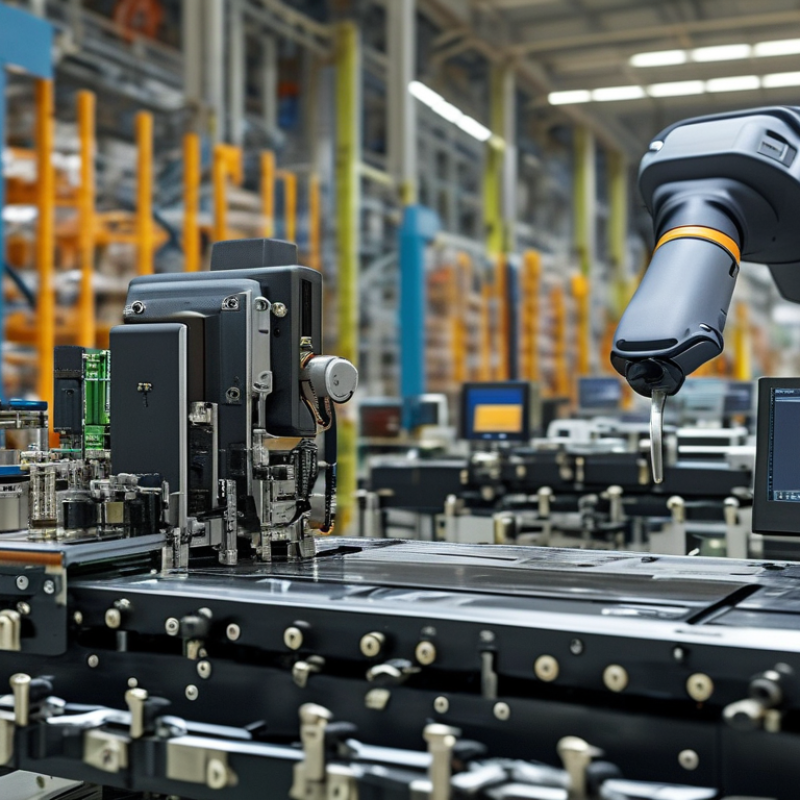
China Top Barcode Inspection Machine Suppliers?

What Is a Barcode Inspection Machine?

A barcode inspection machine is an automated vision system that checks printed codes during production. It uses controlled lighting, cameras, and decoding software to verify readability, position, contrast, and print quality. Unlike a simple scanner, it can identify missing bars, damaged modules, low contrast, and incorrect characters before products leave the line.

GS1 reports that more than six billion barcodes are scanned worldwide each day. That volume makes consistent verification essential for manufacturers, warehouses, and retailers. The machine may grade one-dimensional codes under ISO/IEC 15416 and two-dimensional codes under ISO/IEC 15415. It can also compare decoded data with a production database. A mismatch should trigger an automatic reject.

In practical line trials, lighting often matters more than expected. Glossy film can create glare. Curved packaging can distort a symbol. A readable code is not always a strong code. Small defects may pass today but fail after transport, abrasion, or a low-quality scanner. Inspection systems commonly combine image capture, grading, data validation, and rejection signals within milliseconds. Performance still depends on camera calibration and stable mounting. We should admit one limitation: automation does not correct poor artwork or careless setup. It only exposes those weaknesses earlier. That is useful.

How Barcode Inspection Machines Work

China Top Barcode Inspection Machine Suppliers?

How Barcode Inspection Machines Work

A barcode inspection machine combines controlled lighting, a camera, decoding software, and production-line timing. The camera captures each symbol as a package passes beneath it. Software then reads the encoded data and compares it with the approved production file. This checks whether the code is present, correct, complete, and positioned properly.

It is more than a barcode scanner. The system evaluates print quality under ISO/IEC 15416 for one-dimensional codes and ISO/IEC 15415 for two-dimensional symbols. These standards use grades from 0 to 4, helping manufacturers measure contrast, defects, modulation, and readability. Grand View Research estimated the global barcode scanner market at over 7 billion U.S. dollars in 2023, reflecting wider demand for automated identification and verification.

Lighting matters greatly. Uneven glare can make a clean code appear defective, while dust may create a genuine failure. The controller sends a reject signal when the code is missing or mismatched. Pneumatic pushers, air jets, or diverters can then remove the package within milliseconds. In my practical view, the weakest point is often not the camera. It is poor setup, changing ink density, or careless calibration. Human review still matters. A perfect grade does not always guarantee reliable reading on every downstream device.

Key Features of China’s Top Suppliers

China’s top barcode inspection machine suppliers compete through practical engineering, not polished catalogs alone. In factory audits, the strongest suppliers show a running line, sample labels, and recorded inspection results. Their machines should read 1D and 2D codes at production speed, even when ink is faint or packaging reflects light.

A useful system combines high-resolution cameras, stable lighting, and software that checks contrast, position, grade, and missing codes. Clear alarms matter. So does the reject mechanism. Suppliers with serious technical knowledge explain response time, false-reject rates, and how settings change between products. They also provide inspection reports, calibration guidance, spare parts lists, and operator training. Ask for test data using your actual cartons, labels, and conveyor speed. Generic demonstrations can hide difficult conditions.

Reliable Chinese suppliers usually offer configurable interfaces, remote diagnostics, and integration with printers, PLCs, databases, or traceability systems. Their electrical drawings and manuals should be complete and understandable. After-sales response deserves equal attention; a fast replacement camera can matter more than a low initial price. I have seen promising trials fail because lighting was ignored. That mistake is easy to repeat. A capable supplier welcomes questions about maintenance, validation, and future upgrades, while admitting where the machine has limits. No supplier gets every detail right.

Industries That Use Barcode Inspection Systems

Barcode inspection systems support many industries where traceability, accuracy, and speed matter. In food and beverage plants, cameras verify labels, batch codes, and expiration dates before cartons leave the line. A missed digit can trigger costly recalls or confused inventory. Pharmaceutical manufacturers use inspection equipment to check serial numbers, package matches, and readable barcodes under controlled conditions. These checks support documented quality procedures and reduce manual entry. Cosmetics and personal-care producers inspect small bottles, tubes, and boxes, especially when several variants share one production line. Lighting matters here. Glossy packaging can create reflections and false readings.

Automotive factories apply barcode inspection to parts, assemblies, and service records. The system links each component with production data, helping technicians confirm the correct version. Electronics manufacturers need similar control for circuit boards, chargers, and packaged devices. Retail distribution centers scan cases and pallets during receiving, sorting, and dispatch. Healthcare logistics also relies on accurate identification for laboratory supplies and patient-care products. In practice, performance depends on more than camera resolution. Engineers should test contrast, speed, dust, vibration, and damaged codes using real samples. A supplier may promise high accuracy, yet production conditions can expose weak points. Operator training is often overlooked. It should not be. Regular calibration, clear rejection rules, and audit-ready records improve reliability across changing product lines.

China Top Barcode Inspection Machine Suppliers? - Industries That Use Barcode Inspection Systems
Industry Typical Inspection Applications Common Barcode Formats Key Inspection Criteria Typical Line Speed Relevant Standards or Practices Common Defects Detected
Pharmaceuticals Checking medicine packs, cartons, labels, and serialized products before shipment or aggregation. Data Matrix GS1-128 Code 128 Readability, encoded product identity, batch number, expiration date, serial number, print contrast, and code position. 60–300 packs/min ISO/IEC 15415, ISO/IEC 15416, GS1 application identifiers, and regional traceability requirements. Missing code, wrong data, duplicate serial number, low contrast, damaged modules, and incorrect placement.
Food and Beverage Inspecting codes on bottles, cans, pouches, cartons, trays, and cases for traceability and production control. EAN/UPC GS1-128 GS1 DataBar QR Code Presence, readability, lot code, best-before date, print quality, orientation, and correct product-to-code matching. 100–1,200 containers/min GS1 identification rules, ISO/IEC barcode quality methods, and applicable food traceability regulations. Smudged ink, incomplete print, incorrect date, curved-surface distortion, poor contrast, and unreadable quiet zones.
Logistics and Warehousing Verifying shipping labels, parcel routing codes, pallet labels, sortation identifiers, and proof-of-dispatch records. Code 128 ITF-14 GS1-128 QR Code Multiple-code reading, data matching, omnidirectional reading, label presence, location, and scan reliability. 600–4,000 parcels/hour GS1 logistics label guidelines, ISO/IEC symbology standards, and carrier-specific data requirements. Wrong routing data, duplicate labels, missing labels, label overlap, damaged bars, and poor alignment.
Automotive Tracking components, work-in-process parts, engines, assemblies, returnable containers, and finished vehicles. Data Matrix Code 39 Code 128 QR Code Direct-part-mark readability, component identity, production sequence, grade, position, and database verification. 20–240 parts/min ISO/IEC 15415, ISO/IEC 15459, direct-part-marking practices, and customer traceability specifications. Low-contrast marks, dot-peen deformation, laser variation, surface glare, wrong part number, and missing marks.
Electronics Inspecting printed circuit boards, semiconductor packages, component reels, trays, and serialized assemblies. Data Matrix QR Code Code 128 Code 39 Small-module readability, component traceability, orientation, serialization, print quality, and code-to-production-record matching. 30–600 boards/min ISO/IEC 15415, ISO/IEC 15459, and manufacturing traceability procedures. Insufficient cell contrast, missing cells, solder or coating contamination, wrong orientation, and duplicate identification.
Medical Devices Verifying identifiers on sterile packs, instruments, implants, labels, cartons, and transport packaging. UDI Data Matrix GS1-128 Code 128 UDI data accuracy, lot or serial number, expiration date, readability after sterilization, label presence, and placement. 30–180 units/min ISO/IEC 15415, ISO/IEC 15416, UDI-related regulatory frameworks, and GS1 identification rules. Incorrect UDI data, low-quality print, label mismatch, missing expiration date, and unreadable codes after packaging.
Cosmetics and Personal Care Checking codes on bottles, tubes, jars, cartons, gift sets, and secondary packaging for product authentication and inventory control. EAN/UPC Code 128 QR Code Data Matrix Barcode presence, product-to-label matching, batch or lot information, contrast, position, and packaging-surface compatibility. 80–500 units/min ISO/IEC barcode quality standards, GS1 identification practices, and market-specific labeling requirements. Reflective packaging, curved-surface distortion, incorrect batch code, smearing, missing print, and poor quiet zones.
Retail and Consumer Goods Inspecting retail packs, private-label products, promotional bundles, shelf-ready packaging, and case labels. EAN/UPC ITF-14 GS1-128 QR Code Point-of-sale readability, item identity, case-to-item consistency, placement, print contrast, and promotional content accuracy. 100–800 units/min GS1 General Specifications, ISO/IEC 15416, ISO/IEC 15415, and retailer packaging specifications. Wrong item number, duplicate barcode, truncated bars, damaged label, poor contrast, and incorrect case quantity.
Industrial Manufacturing Tracking raw materials, work orders, fabricated parts, tools, containers, and finished equipment through production stages. Code 39 Code 128 Data Matrix QR Code Part identity, work-order data, operator or process records, direct marking quality, and database validation. 10–300 items/min ISO/IEC 15415, ISO/IEC 15459, and company-specific manufacturing execution procedures. Incorrect part number, unreadable direct mark, damaged label, duplicate ID, poor placement, and database mismatch.
Typical line speeds are indicative operating ranges and vary according to product geometry, barcode size, camera resolution, lighting, conveyor configuration, and required inspection depth.

How to Choose a Reliable Chinese Supplier

Choosing among China’s top barcode inspection machine suppliers requires more than comparing online prices. In my experience, reliable suppliers begin with clear product details. Ask about inspection speed, barcode types, camera resolution, and rejection accuracy. Request test results using your actual labels, ink, and packaging materials. A supplier confident in its equipment should explain both successful tests and limitations.

Visit the factory, physically or online. Check assembly areas, calibration records, and quality-control procedures. Confirm whether key components have stable replacement channels. Ask for a written inspection report, user manual, wiring diagram, and software update policy. Certifications matter, but verify their validity and scope. A polished certificate cannot replace a machine trial.

Test the supplier’s communication before signing. Do they answer technical questions directly? Can they provide English documentation and realistic delivery dates? Discuss installation, operator training, spare parts, warranty coverage, and remote support. Define acceptance standards in the contract, including speed, detection rate, false rejects, and response times. Small details matter.

I once underestimated lighting conditions. The machine passed a clean sample but struggled with reflective film. That mistake changed my evaluation process. Send difficult samples, not only perfect ones. No checklist is flawless. A dependable supplier remains transparent when results are imperfect, investigates the cause, and proposes measurable corrections instead of making broad promises.

China Top Barcode Inspection Machine Suppliers: How to Choose a Reliable Chinese Supplier

Use internationally recognized barcode quality grades as an objective benchmark when evaluating inspection-machine suppliers. Request test reports based on ISO/IEC 15415 for 2D barcodes and ISO/IEC 15416 for linear barcodes.

The chart shows the lower score threshold for each ISO/IEC barcode quality grade on a 0–4 scale. A reliable supplier should be able to provide repeatable verification results, calibration records, sample testing, and clear technical support for the barcode standards required by your production line.

Certified Quality System

© North Easton Machine Company, Inc. All rights reserved. • Site: Blog
NORTH EASTON MACHINE • 218 Elm Street • North Easton, MA 02356 • 508-238-6219