Top Tips for Sourcing E-Motorcycles Globally?
In the rapidly evolving world of e-mobility, sourcing E-Motorcycles globally poses both challenges and opportunities. Industry expert Dr. Elena Kirov states, "Finding the right e-motorcycle supplier can drive your business forward." This insight highlights the importance of strategic sourcing in the e-motorcycle sector.
Companies must consider various factors when sourcing e-motorcycles. Quality, reliability, and technology integration are critical. Moreover, understanding regional market demands can enhance decision-making. However, navigating different regulations and standards can be daunting. It’s essential to stay informed and adaptable.
Additionally, building long-term relationships with suppliers adds value. Trust and open communication can help overcome obstacles. While the global supply chain offers vast opportunities, it can also present unexpected challenges. Sourcing e-motorcycles is not just about products; it’s about creating a sustainable and effective partnership in a competitive landscape.
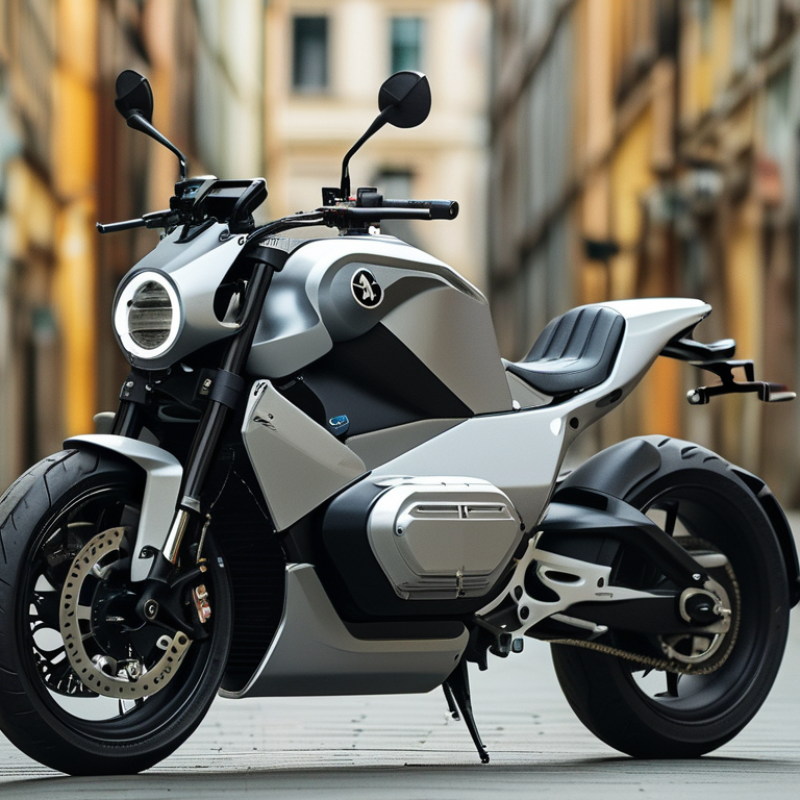
Understanding the Global E-Motorcycle Market Dynamics
The global e-motorcycle market has been growing rapidly. In 2022, the market size reached approximately $22 billion, with projections suggesting it could exceed $30 billion by 2026. This growth reflects increasing consumer interest in sustainable transportation solutions. E-motorcycles offer a greener alternative, appealing to eco-conscious buyers.
Market dynamics are influenced by several factors. Regions like Asia-Pacific show a strong demand due to rising urban traffic and government initiatives promoting electric vehicles. According to a recent industry report, e-motorcycle sales in Asia accounted for over 40% of global sales. However, manufacturers face challenges such as battery supply limitations and charging infrastructure inadequacies.
Adapting to these dynamics is vital. Investment in research and development can help overcome battery technology barriers. Understanding local regulations is also crucial. Each region has distinct policies affecting e-motorcycle adoption. Companies must remain agile to navigate these complexities effectively. Balancing innovation with regulatory compliance will be key for sustained market presence.
Identifying Key Manufacturers and Suppliers in Different Regions
When sourcing e-motorcycles globally, identifying key manufacturers and suppliers is crucial. Different regions offer unique opportunities based on local expertise and production capabilities. For example, look at the Asian markets where innovation in electric vehicles is rapidly advancing. Countries like China and Japan are rich in experienced manufacturers. They have established technologies that cater to various market demands.
Connecting with local industry experts can provide insights. Attend trade shows and networking events to meet potential partners. Building relationships is as important as negotiating prices. Local suppliers understand their market better. They can offer guidance on regulations, consumer preferences, and even logistics.
Research is vital. Create a list of potential manufacturers, focusing on their reputation and production capacity. Evaluate their certifications and ask for references. A good supplier should have a track record of reliability. If they lack transparency, it might raise concerns. Don’t rush into commitments. Take time to understand each supplier’s strengths and weaknesses. This careful approach minimizes risks in a volatile market.
Evaluating Quality Standards and Certifications for E-Motorcycles
When sourcing e-motorcycles globally, quality standards and certifications play a crucial role. Various regions have specific certifications that indicate compliance with safety and environmental regulations. The International Electrotechnical Commission (IEC) sets key standards for electric vehicles. For instance, IEC 61851 outlines requirements for electric vehicle charging. Understanding these standards can significantly impact sourcing decisions.
Many manufacturers emphasize quality. A report from McKinsey highlights that 65% of consumers consider safety features in electric vehicles essential. Certifications like ISO 9001 ensure quality management systems are in place. Additionally, the European Union's e-marking certification confirms that e-motorcycles meet EU safety standards. Failure to comply can lead to negative customer perceptions and potential market restrictions.
Additionally, sourcing e-motorcycles without proper certification can be risky. There are instances where manufacturers cut corners, leading to subpar products. The global market sees a rise in counterfeit certifications. This trend raises concerns about trustworthiness. As quality remains a priority, conducting thorough evaluations of potential suppliers is vital. The right certifications can enhance credibility and reliability in a competitive market.
Navigating Logistics and Shipping Options for Global Sourcing
Navigating logistics and shipping options is crucial for sourcing e-motorcycles globally. Global trade in e-motorcycles has surged, with the market valued at over $25 billion in 2021 and projected to reach $50 billion by 2026. Effective logistics strategies can make or break supply chain efficiency.
Choosing the right shipping methods is essential. Air freight is fast but costly. Sea freight is more economical for bulk shipping, handling large volumes. However, it has longer transit times. For instance, a shipment of e-motorcycles from Asia to Europe can take six to eight weeks. Companies must weigh these factors carefully.
Additionally, customs regulations play a significant role. Each country has its own tariffs and duties for imported vehicles. Understanding these can help avoid unexpected costs. A report showed that 30% of companies experienced delays due to customs issues. Having local partners or agents can ease this process. Familiarity with local laws and practices makes a significant difference in compliance and efficiency.
Global Sourcing of E-Motorcycles: Market Share by Region
This chart illustrates the market share distribution of e-motorcycles sourced globally by region, showcasing key areas of growth and demand.
Cost Analysis and Budgeting for International E-Motorcycle Purchases
When sourcing e-motorcycles globally, cost analysis and budgeting are crucial steps. Understanding the total cost of ownership can be challenging. Prices vary widely based on location, shipping fees, and customs duties. You must factor in these costs to make informed decisions.
Create a detailed budget. Consider not just the purchase price, but also maintenance and insurance. Battery replacement costs might surprise you. Research potential suppliers thoroughly. Obtaining multiple quotes can highlight price discrepancies. Using a local partner may also minimize some shipping expenses.
Challenges often arise unexpectedly. Currency fluctuations can alter your budget significantly. A price that seems favorable may change rapidly. Stay vigilant and adapt your strategy as necessary. Regularly reassessing your budget ensures it remains relevant. Embrace the learning curve as you navigate this complex process.
Top Tips for Sourcing E-Motorcycles Globally - Cost Analysis and Budgeting for International E-Motorcycle Purchases
| Item | Average Cost (USD) | Shipping Cost (USD) | Import Duty (%) | Total Estimated Cost (USD) |
| E-Motorcycle Model A | 4500 | 300 | 6 | 4860 |
| E-Motorcycle Model B | 5000 | 350 | 7 | 5435 |
| E-Motorcycle Model C | 6000 | 400 | 8 | 6640 |
| E-Motorcycle Model D | 5500 | 375 | 6.5 | 6173.75 |



 Find Your Solutions ▶