
Top 10 Tips for Choosing a Twin Shaft Mixer Concrete

When it comes to selecting a Twin Shaft Mixer Concrete, many factors come into play. The right mixer can make a significant difference in your concrete projects. A high-quality mixer ensures uniform mixing, better consistency, and improved efficiency. However, with many options available, making the right choice can be overwhelming.

Understanding the key features and specifications of a Twin Shaft Mixer Concrete is essential. Performance, durability, and maintenance are critical considerations. It's easy to get lost in the technical details, but focusing on specific needs helps streamline the process. Be mindful of your project scale and the concrete's specific requirements.

Moreover, not all mixers are created equal. Some may promise high efficiency but fall short in real-world applications. Therefore, take time to reflect on your experiences with different equipment. Learning from past mistakes can guide you toward a more informed decision. Choosing wisely will ultimately enhance your productivity and project quality.
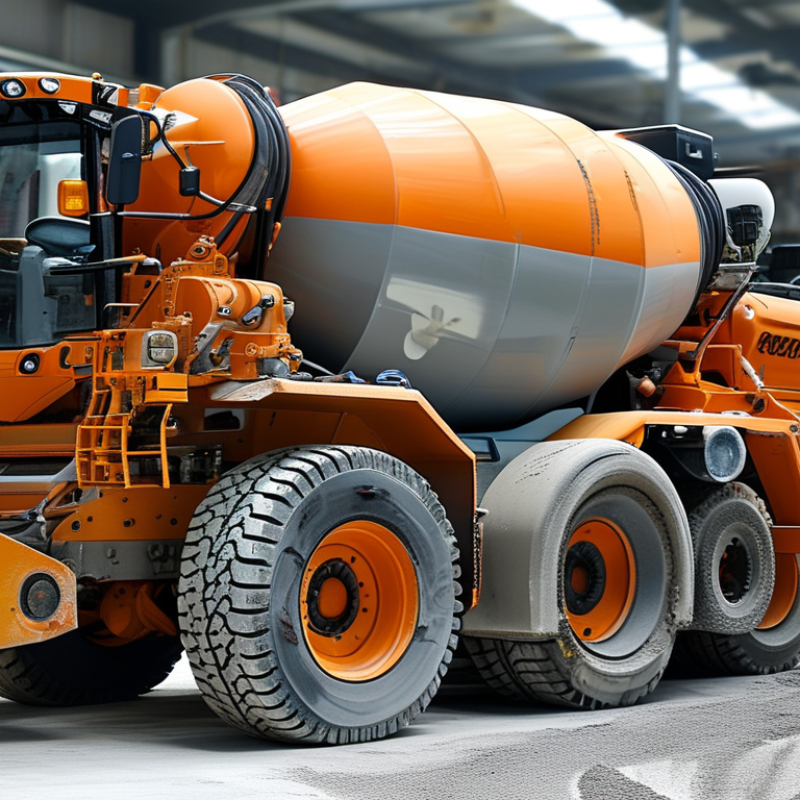
Top 10 Tips for Choosing a Twin Shaft Mixer Concrete

Understanding the Basics of Twin Shaft Mixers for Concrete

When selecting a twin shaft mixer for concrete, understanding its basic functionality is vital. Twin shaft mixers are known for their efficient mixing capabilities due to the simultaneous action of two mixing shafts. This design facilitates rapid and homogeneous blending of materials. Each batch achieves consistent quality, which is crucial for construction projects. Solid performance and reliability often depend on the mixer’s construction and configuration.

Evaluating the mixer's capacity is an essential step. Assess how much concrete you need to produce in a given time. Choose a mixer that meets your project’s demand without overloading. Look for features that allow easy maintenance. Regular upkeep can prevent downtime and ensure longevity.

It is also valuable to consider the materials being mixed. Different applications may require specific configurations. A well-designed mixer can accommodate various aggregates and additives, enhancing versatility. Collaboration with a trusted supplier can provide insights. Their expertise helps navigate options and find the right fit. Mixing technologies continue to evolve. Staying informed ensures you make an educated decision for your concrete needs.

Top 10 Tips for Choosing a Twin Shaft Mixer Concrete

Tip Number Tip Description Key Considerations
1 Determine the Capacity Needed Assess daily concrete production to choose a suitable mixer size.
2 Check Mixing Speed A higher speed may reduce mixing time and improve efficiency.
3 Evaluate Build Quality Choose robust materials for durability and long-term use.
4 Examine Discharge System Opt for an efficient discharge system for minimal residue.
5 Consider Power Requirements Match power specs with your site’s electricity supply.
6 Review Maintenance Needs Select models that are easy to maintain and repair.
7 Assess Mixing Technology Modern technology may enhance mixing precision and consistency.
8 Check for Safety Features Consider mixers with safety guards and emergency shut-offs.
9 Explore Customization Options Models that offer custom features may better meet specific requirements.
10 Consider Warranty and Support Longer warranties and good support can ensure peace of mind.

Key Features to Consider When Selecting a Twin Shaft Mixer

When selecting a twin shaft mixer for concrete, it's crucial to consider various key features. One essential aspect is the mixing capacity. Many projects require high outputs, and choosing a mixer with the appropriate throughput is vital. A report from the Construction Industry Institute indicates that optimal mixing can improve concrete strength by up to 30%. Ensuring that a mixer meets project demands can significantly enhance overall performance.

Another important consideration is the mixing speed. Twin shaft mixers often have adjustable speeds that can cater to different materials. This flexibility allows for better control over the mixing process, which is essential for achieving the desired consistency. A study in the Journal of Materials in Civil Engineering highlighted that proper mixing speed could reduce material segregation by 40%. Mixing efficiency is often a reflection of the machine's design and engineering.

Durability is also a key feature. A reliable mixer should withstand the rigors of continual use. Many mixers can suffer from wear and tear, impacting their performance. Ensuring the mixer has robust components can mitigate the risks of breakdowns. Regular maintenance is often overlooked but crucial for long-term operation. Investing in features that enhance longevity can save costs over time.

Assessing the Size and Capacity Requirements for Your Project

When selecting a twin shaft mixer for your concrete needs, understanding the size and capacity is crucial. The mixer must match your project’s scale. Consider the volume of concrete required. A small renovation job may only need a mixer with a capacity of 1 to 2 cubic yards. In contrast, larger construction projects might require models that handle 4 to 6 cubic yards or more. Analyze your timeline too. A higher capacity can enhance productivity but may increase costs.

Exploring the available options helps you make an informed choice. Take into account the aggregate size your project demands. Some mixers can handle larger stones, while others can’t. This detail can affect the quality of your final mix. Adequate testing is essential. Mixers may not perform as intended if they are overloaded. Underestimating your needs can lead to delays and added expenses.

Also, think about energy efficiency. A larger mixer consumes more power. Balance this against your project budget. Overlooking these factors might lead to operational issues, impacting your overall productivity. Always validate the mixer's operational requirements against your workload and site conditions. Missing this step can mean adjustments later in the project, which might disrupt your timeline and efficiency.

Evaluating the Durability and Maintenance of Mixer Components

When selecting a twin shaft mixer, evaluating the durability and maintenance of its components is crucial. High-quality mixers generally use robust materials like high-strength steel. This enhances durability, allowing mixers to withstand demanding conditions. According to the American Concrete Institute, proper maintenance can extend mixer life by 20-30%. Understanding the wear rates of various components helps in planning maintenance schedules effectively.

Inspecting wear parts such as blades and liners regularly is essential. In a study published by the Concrete Plant International, it was noted that improperly maintained mixers could lead to downtime costs exceeding $20,000 annually. This underlines the importance of routine checks and timely replacements. Selecting a mixer with replaceable components can reduce long-term costs.

Choosing a mixer designed for easy access to components simplifies maintenance tasks. Ensure that the design allows for straightforward inspections. Frequent maintenance may feel burdensome, but it's vital. If left unchecked, minor issues can escalate, resulting in significant repairs. By fostering a proactive maintenance culture, operations can avoid costly interruptions and ensure consistent performance. Each decision should focus on long-term efficiency and reliability.

Durability and Maintenance of Twin Shaft Mixers

Comparing Cost and Value Among Different Mixer Brands and Models

When choosing a twin shaft mixer, cost and value are crucial factors. Each brand offers unique features. Some mixers are more affordable but may lack durability. Others have a higher initial cost but provide long-term efficiency. Look closely at the specifications. A more expensive model might save on repairs over time.

Consider the power consumption as well. Some mixers use more energy, increasing operational costs. This can impact your budget long-term. Think about maintenance costs. A robust design can lead to lower upkeep expenses.

Customer reviews can be a valuable resource. They often highlight both pros and cons. Users may point out unexpected issues. Pay attention to these insights. They can highlight hidden costs or potential advantages. Also, think about warranties and service plans. They often vary greatly among brands, affecting overall value. A good warranty can offer peace of mind, while a weak one might signal future problems. Choosing wisely requires careful consideration of all these aspects.

Certified Quality System

© North Easton Machine Company, Inc. All rights reserved. • Site: Blog
NORTH EASTON MACHINE • 218 Elm Street • North Easton, MA 02356 • 508-238-6219