Essential Tips for Choosing the Right Steering Cylinder?
Choosing the right Steering Cylinder is crucial for vehicle performance. A steering cylinder controls the steering mechanism, ensuring smooth maneuvers. Selecting the wrong model can lead to difficulty in handling and increased wear and tear.
Consider the specifications carefully. The size, pressure rating, and mounting style are vital. If you pick a cylinder that doesn't match your vehicle, problems may arise. Sometimes, it’s easy to overlook these details.
Reflect on past experiences. Did you rush your choices? Sometimes haste leads to mistakes. A thorough evaluation of options can save you time and money. Prioritize quality and compatibility over price. Your steering cylinder is a key component for safety.
Understanding the Functionality of Steering Cylinders
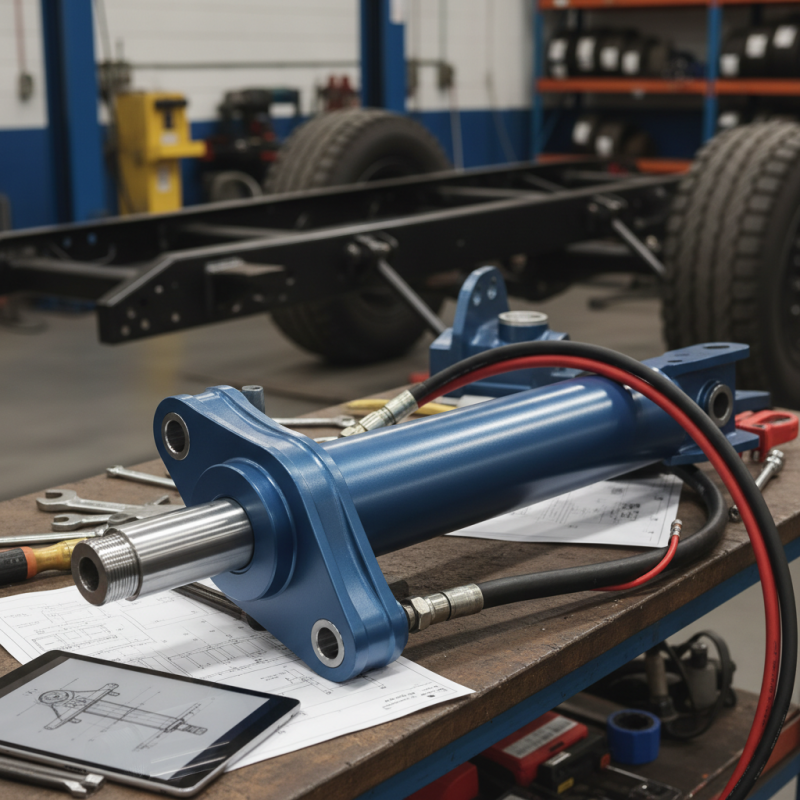
Steering cylinders play a critical role in vehicle maneuverability. They are responsible for converting hydraulic pressure into the mechanical motion needed to steer. When you turn the steering wheel, fluid moves into the cylinder, pushing the piston. This process allows for smooth and responsive handling. Understanding this basic functionality is essential for making informed decisions.
Several factors must be considered when assessing steering cylinders. Look closely at the size and design. The dimensions affect the torque and turning radius. Additionally, think about the materials used in the cylinder. Some materials can wear out quickly and need replacements sooner than expected. It's important to analyze these details before making a choice.
Finally, maintain awareness of your specific needs. Will you use the cylinder for light or heavy-duty applications? How much force will be exerted? These questions impact the long-term performance of the cylinder. Small oversights can lead to significant problems, such as leaks or reduced control. Taking the time to reflect on these factors can help improve your overall experience.

Key Factors to Consider When Selecting a Steering Cylinder
When selecting a steering cylinder, understanding key factors is crucial for optimal performance. Pressure ratings play an essential role. Many applications require cylinders that can handle pressures between 1000 to 3000 psi. This range ensures durability and efficiency in heavy-duty operations. Neglecting pressure specifications may lead to failure, impacting safety and performance.
Material choice is another critical factor. Steel and aluminum are common options. Steel offers high strength but is heavier. Aluminum is lighter yet can be less durable. A study noted that around 70% of failures stem from material inadequacies, underscoring the importance of appropriate selection.
Mounting configurations should not be overlooked. They dictate how the cylinder connects to other components. The right fit ensures optimal operation. Sadly, many users overlook this aspect, leading to misalignments. Such errors can cause premature wear. Therefore, a thorough examination of specifications is not just recommended; it is necessary for long-term functionality.
Types of Steering Cylinders and Their Applications
When choosing a steering cylinder, it's crucial to understand its types and applications. There are two main types: single-acting and double-acting cylinders. Single-acting cylinders apply force in one direction. They often return to their original position thanks to gravity or a spring. This type is commonly used in simpler systems like forklifts.
On the other hand, double-acting cylinders can push and pull. They provide greater control and are ideal for more complex machinery, such as steering systems in larger vehicles. Consider the application when making your choice. Not all cylinders work for every task. Think of your needs and the environment.
One tip is to assess the required force. Measure the weight loads and how often they will be used. Another tip is to review the mounting options. Ensure they fit well with your existing equipment. Failure to do so may lead to issues. Test various sizes and configurations if possible. This way, you find the best match. Each cylinder has strengths and weaknesses. Knowing these helps in making an informed decision.
Common Material Options for Steering Cylinders
When choosing a steering cylinder, material selection is crucial. Common options include steel, aluminum, and composite materials. Steel is robust and durable. It can handle high pressure but is heavier. Aluminum is lighter, offering excellent corrosion resistance. However, it may not be as strong as steel.
Composite materials, such as plastics, serve niche applications. They are lightweight and resistant to corrosion. Yet, their strength under high-load conditions can be a concern. An ideal steering cylinder should balance weight, strength, and resistance to environmental impacts. Consider your vehicle's specific needs.
Sometimes, a well-priced option may come with compromises. A cheap aluminum cylinder may corrode faster than expected. A durable steel cylinder may add unnecessary weight. Reflect on how these choices affect performance. Carefully assess the conditions in which the steering cylinder will operate. This will guide you toward the right decision.
Essential Tips for Choosing the Right Steering Cylinder - Common Material Options for Steering Cylinders
| Material Type | Advantages | Disadvantages | Common Applications |
|---|---|---|---|
| Steel | High strength, durability, cost-effective | Susceptible to corrosion, heavier weight | Commercial vehicles, industrial machinery |
| Aluminum | Lightweight, corrosion-resistant, good thermal conductivity | Lower strength compared to steel, higher cost | Aerospace, automotive applications |
| Stainless Steel | Excellent corrosion resistance, high strength | More expensive, can be heavier than aluminum | Marine equipment, food processing machinery |
| Plastic Composites | Lightweight, resistant to corrosion, insulates | Lower mechanical strength, heat resistance may vary | Electric vehicles, lightweight applications |
Maintenance Tips for Prolonging the Life of Steering Cylinders
Maintaining steering cylinders is crucial for vehicle safety. Regular upkeep can enhance performance and extend their lifespan. Research indicates that proper maintenance can increase component durability by up to 30%. It's important to keep an eye on wear and tear.
Tip 1: Regularly check for leaks. Any fluid loss can impair steering function. Even small leaks can signal serious issues. Address them promptly to avoid costly repairs later on.
Dust and debris can accumulate over time. This buildup can damage seals and reduce efficiency. Cleaning the cylinder regularly can prevent these problems. Use a soft cloth to remove dirt without scratching the surface.
Tip 2: Lubricate moving parts regularly. Proper lubrication reduces friction and wear. It ensures smooth operation. A well-lubricated cylinder can last up to 25% longer, according to industry reports.
Consider the environment in which your vehicle operates. Harsh conditions can wear out parts quickly. Schedule inspections more frequently if you drive in extreme weather. Reflect on your driving habits too, as they impact maintenance needs.
Article Source:
NORTH EASTON MACHINE • 218 Elm Street • North Easton, MA 02356 • 508-238-6219