
How to Safely Charge Lithium Batteries for Longevity?
In today's fast-paced technology landscape, the proper care of Lithium Batteries is crucial. These batteries are used in smartphones, electric vehicles, and renewable energy storage. According to a report from the International Battery Association, improper charging can reduce battery lifespan by up to 40%. Understanding how to manage this charging process is essential for longevity.
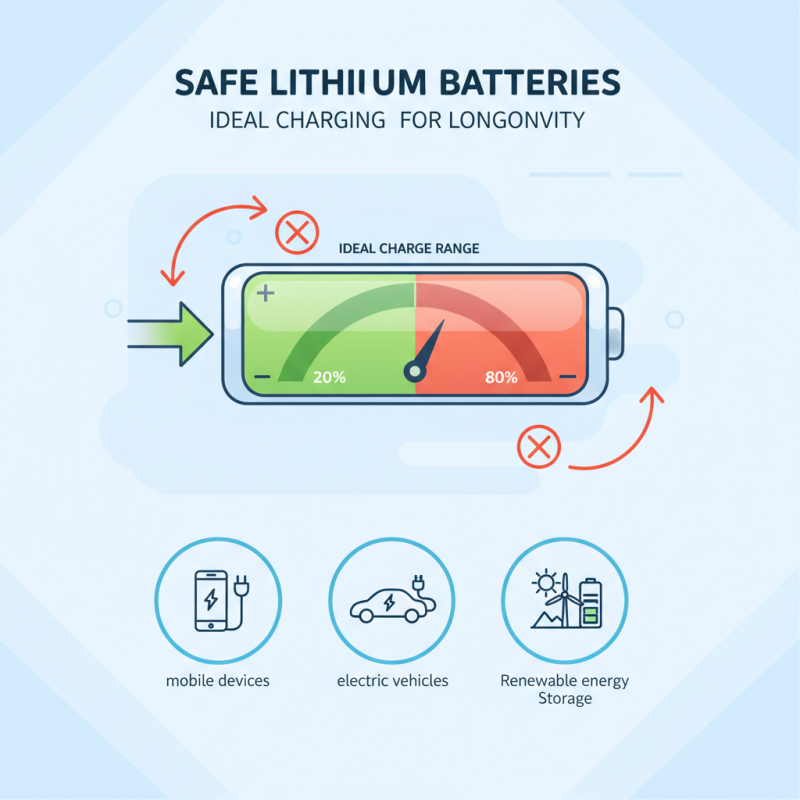
Industry expert Dr. Emily Wong states, "Proper charging techniques can significantly enhance lithium battery performance." However, many users still neglect basic practices. For example, charging a lithium battery to 100% or allowing it to drop to 0% can strain its chemistry. The ideal range is often between 20% to 80%.
Despite this knowledge, users frequently overlook these details. It leads to premature battery failure. This lack of caution can cost both money and convenience. As we continue to embrace lithium batteries’ potential, it is vital we remain vigilant and informed about how to charge them safely for extended use.
Understanding Lithium Battery Chemistry and Lifecycle
Lithium batteries have become the backbone of modern technology. Their chemistry is fascinating and complex, impacting their lifespan dramatically. These batteries operate by transferring lithium ions between electrodes. Over time, this process leads to wear and tear, affecting capacity. Understanding this cycle helps us charge them properly.
To extend battery life, avoid charging to 100%. Keeping the charge between 20% and 80% is best. This practice reduces stress on battery components, allowing for a longer lifespan.
Tips: Store lithium batteries in a cool, dry place. Heat can accelerate aging. Also, don't let batteries drain completely before recharging. This habit can be detrimental. Small adjustments in usage can make a big difference. Making these changes may seem cumbersome, but consider the benefits. You might not immediately notice. But eventually, your batteries will thank you for it.

Best Practices for Charging Lithium Batteries Safely
Charging lithium batteries safely is essential for their longevity and performance. Here are some best practices to keep in mind.
When charging, avoid extreme temperatures. Ideal room temperature is around 20°C to 25°C. High heat can damage battery components. Cold environments can hinder performance. Always check the charging environment to ensure it is safe.
**Tips:**
Pay attention to the charger used. A compatible charger can make a difference. Mismatched chargers may overheat or undercharge. This can lead to battery failure or reduced lifespan.
Do not leave batteries charging overnight. Overcharging can degrade battery health. It's better to unplug them once they're fully charged. Consider setting a timer if you tend to forget.
**Tips:**
Always inspect batteries for damage. Cracks or swelling are signs of trouble. If you notice anything unusual, it's safer to dispose of them properly. Taking a moment to check can save you from potential hazards.
Optimal Charging Voltage and Current Settings
Charging lithium batteries properly is critical for their longevity. Optimal charging voltage typically ranges between 4.2V and 4.5V per cell. Exceeding this can harm the battery, leading to reduced lifespan or even failure. Current settings are also crucial. A common recommendation is to charge at 0.5C to 1C, where C is the battery's capacity in ampere-hours. Charging too fast may cause overheating, which can damage the battery.
Tips: Always monitor battery temperature during charging. If it becomes too hot, reduce the charge current. It’s not just about speed; it’s about health. Many experts suggest that charging at a lower current, even if it takes more time, significantly enhances the battery's life cycle.
Be cautious with charging practices. Not all batteries are created equal. Some may need more specific settings based on their chemistry. Reports show that improper charging can shorten battery life by up to 20%. Regularly check connection stability. Loose connections can lead to sparks or inconsistent power flow. These factors can affect your charging experience and the battery's performance.
Temperature Considerations During Charging
When charging lithium batteries, temperature plays a crucial role. Extreme heat can lead to battery degradation. High temperatures can cause swelling or even leakage. Ideally, charging should occur in a cool, dry place. Aim for a temperature range between 20°C to 25°C. This range ensures efficient charging while maintaining battery health.
Conversely, charging at low temperatures can be problematic too. If the battery is too cold, it may not charge effectively. In some cases, it might even get damaged. Avoid charging a battery in environments below 0°C. A simple solution is to allow the battery to warm up to room temperature before charging. It can be easy to overlook these factors, yet they are vital for longevity.
In practice, real-life conditions might differ. Many people charge their batteries in hot cars or near heat sources. This can be detrimental over time. Monitoring the charging environment is essential. We often forget that small changes, like excessive heat, can impact performance. Learning to recognize these patterns leads to better battery care.
Charging Temperatures for Lithium Batteries
This bar chart illustrates the optimal and harmful charging temperatures for lithium batteries. Maintaining proper temperature ranges during charging can significantly extend battery life and performance.
Signs of Lithium Battery Damage and When to Replace
Lithium batteries can sustain damage over time. It's important to recognize the signs. Swelling or bulging is a major red flag. If the battery case looks distorted, it may be time for a replacement. Additionally, a hot battery during charging can indicate issues. Heat can shorten battery life significantly.
Another signal to watch for is reduced performance. If your device runs out of power faster than before, the battery might be failing. Dimming screens or sluggish operations can also hint at battery damage. In some cases, there might be visible corrosion. This can indicate a leaking battery, which is hazardous.
Regularly inspect your batteries for these signs. Noticing them early can help you avoid bigger issues. Ignoring these signs might lead to dangerous situations. Always handle lithium batteries with care. They deserve respect and proper treatment. Your safety and the longevity of your devices depend on it.
| Charging Tips | Signs of Damage | Replacement Indicators |
|---|---|---|
| Use a compatible charger | Swollen or bulging battery casing | Significant drop in battery capacity |
| Avoid full discharges | Overheating during charging | Inconsistent performance |
| Charge at room temperature | Corrosion on battery terminals | Physical damage to the battery |
| Keep the battery clean and dry | Unusual smells or leakage | Decreased charging efficiency |
| Avoid extreme temperatures | Excessive heat during use | Battery not holding a charge |
Article Source:
NORTH EASTON MACHINE • 218 Elm Street • North Easton, MA 02356 • 508-238-6219