What is a PVC Ball Valve and How Does It Work?
The PVC Ball Valve is a crucial component widely used in various industries. According to a recent report by Global Market Insights, the PVC valve market is projected to grow significantly, with an expected CAGR of 4.5% from 2023 to 2030. As industries search for reliable flow control solutions, the demand for PVC Ball Valves continues to rise.
Experts like Dr. Emily Zhang, a leading authority in fluid dynamics, emphasize the importance of this valve type. She states, "PVC Ball Valves offer a unique combination of durability and affordability, making them ideal for numerous applications." This insight highlights the valve's practicality and appeal, but also raises questions about long-term sustainability in materials.
While many industries rely on these valves for efficiency, there are concerns surrounding their environmental impact. The manufacturing process must evolve to address ecological footprints. Striking a balance between performance and sustainability remains a challenge for manufacturers. The role of PVC Ball Valves in both existing and emerging markets will be vital in shaping future industry standards.
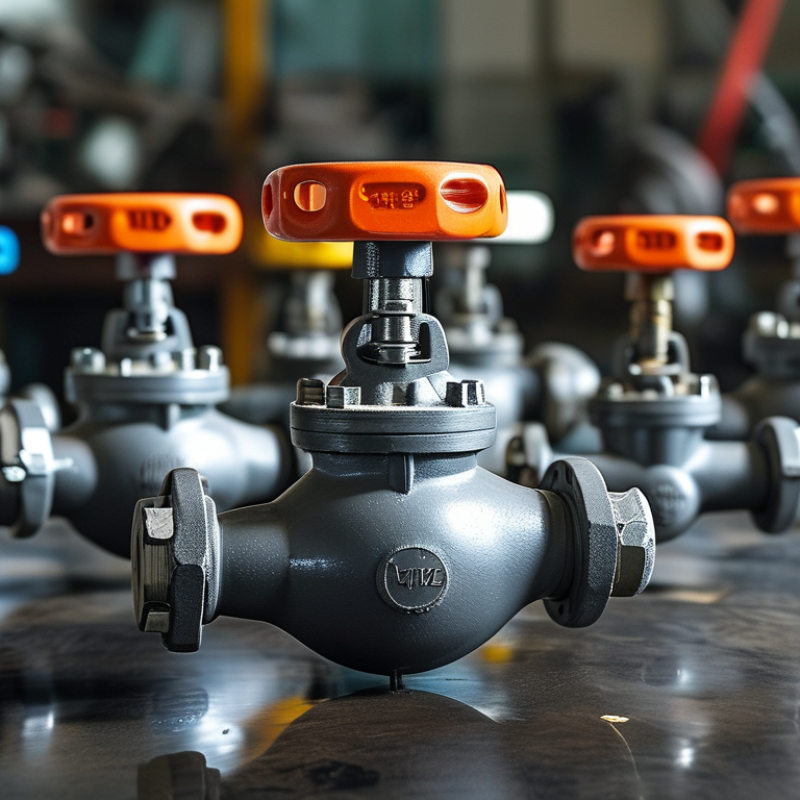
What is a PVC Ball Valve?
A PVC ball valve is a type of valve that uses a spherical disc to control fluid flow. The sphere has a hole, known as a port, that allows liquid or gas to pass through when aligned. When the valve is turned, the port rotates out of alignment, stopping the flow. These valves are popular in various industries due to their lightweight and corrosion-resistant properties.
According to recent industry reports, PVC ball valves account for over 30% of the global ball valve market. This rise is attributed to their cost-effectiveness and reliability in applications like irrigation, water treatment, and chemical processing. In fact, the demand for PVC ball valves is projected to grow at a compound annual growth rate of 5% through 2025. However, they have limitations. They may not withstand extremely high temperatures or pressures, making them unsuitable for certain applications.
Despite their advantages, some drawbacks need consideration. PVC ball valves can become brittle over time due to UV exposure. The installation process also requires careful handling to avoid leaks. Recognizing these aspects is crucial for users to ensure optimal performance and longevity in their systems. Understanding both the strengths and weaknesses of PVC ball valves helps in making informed choices for various applications.
Design and Components of PVC Ball Valves
PVC ball valves are essential components in fluid control systems. Their design is relatively simple yet effective. A typical PVC ball valve consists of a hollow, perforated sphere, a valve body, and an actuator. The sphere, or ball, rotates to open or close the flow. This mechanism allows for quick shut-offs and efficient flow regulation.
The valve body is usually made from high-quality PVC, which ensures durability and resistance to corrosion. Seals and gaskets are critical as they prevent leaks. These components must be carefully selected to match the valve’s intended application. Sometimes, improper sealing materials can lead to performance issues. Choosing the right components is essential for optimal functionality.
Understanding the design of PVC ball valves helps in troubleshooting potential problems. Common issues include leaking seals or stiff operation. Regular inspection can prevent larger failures. Although these valves are reliable, occasional maintenance is necessary. A proactive approach ensures that they function effectively in various applications.
How PVC Ball Valves Function Mechanically
PVC ball valves are essential components in various piping systems. They operate on a straightforward mechanical principle. The valve consists of a hollow, perforated sphere (the ball) and a lever. When the lever turns the ball 90 degrees, it either opens or closes the flow of fluids. The simplicity of this design leads to versatility and ease of maintenance.
Industry reports reveal that PVC ball valves account for about 30% of the global valve market. Their lightweight nature makes installation easier, reducing labor costs. According to the International Institute of Plastic Engineering, PVC's resistance to corrosion allows these valves to last longer, especially in harsh environments. However, users should consider that extreme temperatures could affect the valve's performance.
Tips: Always check for compatibility with the fluid being transported. Conduct regular inspections to detect potential wear and tear. It's crucial to note that improper installation can lead to leaks and system failure.
PVC Ball Valve Functionality Overview
The chart above illustrates the performance metrics of PVC ball valves, indicating a flow rate of 100 L/min, a pressure drop of 0.5 bar, and a temperature range capability of up to 60 °C. These factors are crucial for understanding how PVC ball valves function mechanically in various applications.
Advantages of Using PVC Ball Valves in Various Applications
PVC ball valves are increasingly popular in various industries due to their numerous advantages. These valves are made from polyvinyl chloride, which is a lightweight, durable plastic. This material provides excellent resistance to corrosion and chemicals. They are suitable for both acidic and alkaline environments, making them versatile.
One significant advantage of PVC ball valves is their ease of operation. They require minimal effort to open or close, thanks to their spherical design. In addition, they provide a tight seal, which helps prevent leaks. The smooth, unobstructed flow path of the valve reduces pressure drops and enhances system efficiency. This makes them ideal for water treatment facilities, irrigation systems, and even cosmetic and food processes.
Additionally, PVC ball valves are cost-effective solutions compared to metal options. They are lighter and easier to install. However, they do have limitations in high-temperature applications. This is a factor that requires careful consideration. Regular maintenance and periodic inspection can help ensure their longevity and reliability. Although they are reliable, it's essential to choose the right type for specific applications, considering factors such as pressure and temperature.
Maintenance and Troubleshooting for PVC Ball Valves
PVC ball valves are popular for their durability and ease of use. However, like any mechanical component, they require proper maintenance. Regular inspection can prevent small issues from escalating. According to the Fluid Control Institute, improper maintenance can lead to a 10% reduction in efficiency, emphasizing the need for routine checks.
Common maintenance tasks include tightening screws and ensuring seals are intact. A worn seal can cause leaks, impacting system pressure. Observing any changes in flow rate can signal a potential issue. These simple checks can save time and costs. An estimated 30% of valve failures are attributed to improper installation or neglect.
Troubleshooting issues often begins with identifying the symptom. If a valve is stuck, debris may be restricting movement. Cleaning the valve can restore function. It’s crucial to maintain a clean pipeline, as contaminants can drastically affect performance. Documenting maintenance actions can help in understanding patterns of wear and tear. Such records can lead to better practices over time.



 Find Your Solutions ▶