
Top 10 Portable Gas Detectors for Global Buyers

A gas alarm should be clear before a worker enters a noisy plant room, tank farm, or confined space. Yet choosing a Portable Gas Detector is not simply a matter of comparing alarm volume or price. The right instrument depends on the gases present, exposure risks, operating conditions, and the response plan. A unit designed for oxygen deficiency may not detect a toxic gas. Small details matter: sensor type, response time, battery life, display readability, and calibration requirements.

The stakes are substantial. The International Labour Organization’s 2023 estimates report nearly 3 million work-related deaths and 395 million non-fatal work injuries worldwide. These figures cover many hazards, not gas exposure alone, but they underline why reliable monitoring belongs in a broader safety program. This guide compares ten portable models for global buyers, focusing on practical features such as gas coverage, durability, alarm options, maintenance needs, and support availability. Regional approvals and service networks can differ, so buyers should verify specifications with manufacturers and qualified safety professionals. No ranking fits every job. Even a well-reviewed detector can be the wrong choice when the sensor configuration does not match the site’s risks. Some comparisons also rely on published specifications; real performance depends on correct use, calibration, and maintenance.
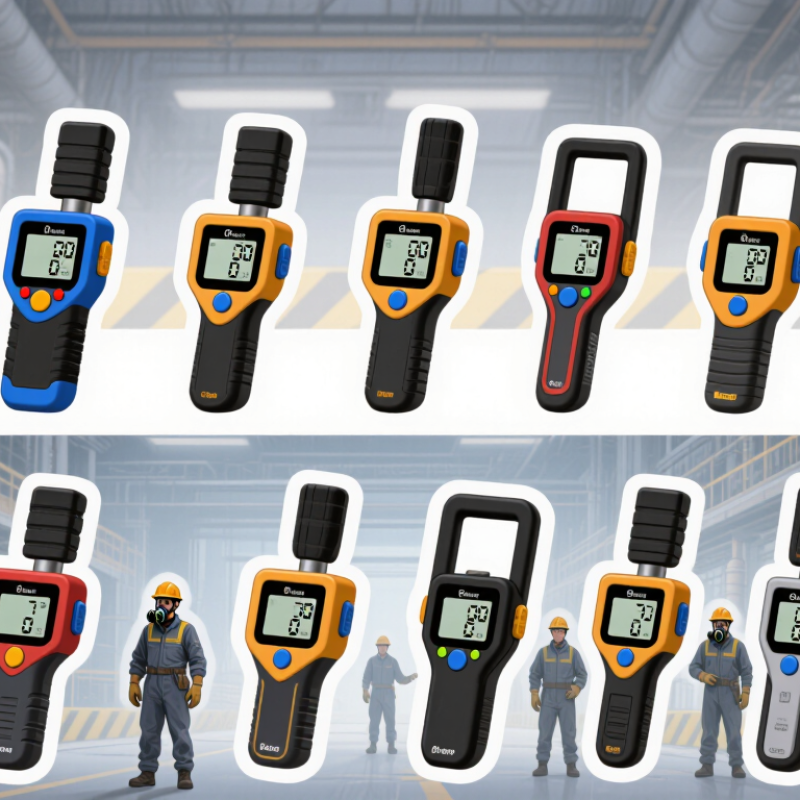
Top 10 Portable Gas Detectors for Global Buyers

Portable Gas Detectors: Purpose, Types, and Operating Principles

Top 10 Portable Gas Detectors for Global Buyers

Portable Gas Detectors: Purpose, Types, and Operating Principles

Portable gas detectors alert workers to dangerous gases in places such as tanks, utility rooms, and maintenance areas. They can help identify oxygen deficiency, toxic gas exposure, or flammable atmospheres before conditions become immediately hazardous. Personal monitors travel with one worker, while area monitors watch a fixed work zone. Some instruments measure one gas; others monitor several at once.

Different sensors work in different ways. Electrochemical sensors produce an electrical signal when a target gas reacts at an electrode. Catalytic sensors detect heat changes as combustible gases burn on a sensor bead. Infrared sensors measure how gases absorb light, while photoionization detectors respond to certain volatile compounds. A reading depends on the sensor, its calibration, and the gases present. No instrument is infallible. Sensor response can drift, and some gases may interfere with others.

Tips: Check the detector’s listed gas range before use. Perform a bump test and calibration according to the manufacturer’s instructions. Keep sensor openings clear, and let the device sample air long enough to respond. Readings matter. A small delay or blocked inlet can change what the display tells you.

Key Criteria for Comparing Portable Gas Detectors

Portable gas detectors should be compared against the work they will actually do, not just their feature lists. Start with the gases of concern and the expected measuring range. A unit designed for one hazard may not suit another. Check whether its sensors respond appropriately in the temperatures, humidity, and dust found at the job site. A cold loading bay and a warm, damp plant room create different demands.

Look closely at alarm visibility and sound. Can a worker notice them beside running equipment or in bright sunlight? Review battery life for a full shift, charging time, display readability, and glove-friendly controls. The enclosure’s ingress rating matters in wet or dusty areas, but it does not replace careful handling. Ask how calibration, bump testing, sensor replacement, and servicing are performed. Confirm that documentation and support are practical in the destination country. A checklist helps, though it can make a messy site look simpler than it is.

Tips: Test the detector under realistic conditions before relying on it. Check alarms in a noisy area, inspect the screen outdoors, and record battery performance across a normal shift. Keep spare sensors and calibration supplies accessible. Small details matter.

Global Standards, Certifications, and Operating Requirements

For global buyers, a portable gas detector’s measurement range is only part of the decision. Check whether its approval matches the destination and the worksite’s hazardous-area classification. IECEx and ATEX certificates address different certification systems; neither automatically replaces local approval or site procedures. For flammable-gas performance, compare instruments against IEC 60079-29-1. Toxic-gas detection has separate requirements, including IEC 62990-1. Details matter.

Calibration and alarm settings must fit the gases and exposure limits workers may encounter. The NIOSH Pocket Guide to Chemical Hazards lists methane’s lower explosive limit at 5% by volume and its upper limit at 15%. That range helps explain why a combustible-gas sensor’s reading and alarm configuration matter near leaks. It is not a substitute for site-specific settings. Buyers should confirm sensor type, response time, operating temperature, humidity limits, and battery runtime against actual tasks.

Field readiness is easy to underestimate. A cold start, a blocked inlet, or a overdue calibration can undermine confidence in readings. Require documented calibration procedures, bump-test guidance, and clear fault alerts. NIOSH recommends checking portable instruments before use according to manufacturer instructions and workplace procedures. Procurement teams should also review service availability and replacement-sensor access in each operating region. Certification labels help, but they do not prove that a detector suits every gas, climate, or maintenance routine. I would verify the complete operating manual before comparing models.

Top 10 Portable Gas Detectors for Global Buyers - Global Standards, Certifications, and Operating Requirements

Reference chart: NIOSH Immediately Dangerous to Life or Health (IDLH) concentrations for ten gases commonly monitored by portable instruments.

How to use this chart: IDLH values are emergency-planning benchmarks, not detector alarm setpoints or occupational exposure limits. Select the sensor and alarm settings for the target gas, applicable local requirements, and the instrument’s certified operating conditions. For hazardous-area use, verify relevant approvals such as ATEX or IECEx for the intended zone and application.

Source: NIOSH Pocket Guide to Chemical Hazards, IDLH values. The logarithmic axis is used because the concentrations span several orders of magnitude.

Top 10 Portable Gas Detectors for Global Buyers

Global buyers comparing the top 10 portable gas detectors should match each unit to the gases, worksite, and shift conditions involved. The International Labour Organization’s 2023 estimates report nearly 3 million work-related deaths and 395 million non-fatal work injuries worldwide each year. These figures are not detector-specific, but they underline why reliable hazard monitoring matters. A four-gas monitor may suit many entry-level checks, while specialist sensors are needed for particular toxic gases. Check sensor range, response time, alarm settings, and whether readings remain clear in bright outdoor light.

Battery life and ruggedness matter in real work, too. A cold morning, thick gloves, or a dusty enclosure can expose weaknesses that a product sheet misses. OSHA treats atmospheres below 19.5% oxygen as oxygen-deficient; buyers should verify applicable local requirements rather than assume one threshold fits every market. Ask suppliers for calibration procedures, maintenance intervals, and documented performance data. Confirm that replacement sensors and calibration gas are available where the equipment will be used.

A sensible shortlist compares total ownership cost, not just purchase price. Include training, bump testing, calibration, and downtime. Independent testing or recognized certification can strengthen confidence, but labels still need careful review. No ranking is perfect. A brief field trial can reveal awkward menus or alarms that workers overlook. That detail is easy to miss.

How to Select, Calibrate, and Maintain a Portable Gas Detector

A portable gas detector should match the gases, ranges, and hazards expected at the worksite. Check sensor type, alarm settings, response time, battery life, and resistance to dust or moisture. A four-gas configuration is not automatically suitable for every task. ILO’s 2023 global estimates report 2.93 million work-related deaths each year, underscoring why reliable hazard checks matter. Small details matter. Before entry, test the instrument in clean air and confirm its alarms, display, and sampling path work as expected.

Calibration verifies readings against a known gas concentration; a bump test only confirms that sensors and alarms respond. ISEA guidance recommends a bump test or calibration check before each day’s use, with full calibration if the check fails. Follow the detector’s instructions and use in-date, certified calibration gas with the correct regulator and tubing. Record the date, gas concentration, result, and technician. Then test again. Keep sensors and filters clean, inspect the inlet for blockage, and replace damaged parts promptly. Store the detector within its specified temperature range. A missed test is easy to excuse during a rushed shift, but that is exactly when the record and routine deserve scrutiny.

Certified Quality System

© North Easton Machine Company, Inc. All rights reserved. • Site: Blog
NORTH EASTON MACHINE • 218 Elm Street • North Easton, MA 02356 • 508-238-6219