Top 10 LPG Hose Purchase Tips for Global Buyers
In the global market, purchasing the right Lpg Hose is crucial. This essential component plays a significant role in various industries, from residential cooking to commercial applications. As a buyer, understanding the intricacies of LPG hoses can be overwhelming. However, making an informed decision can ensure safety and efficiency.
LPG hoses must meet specific standards for durability and reliability. Poor quality hoses can lead to leaks or even accidents, which is why the selection process requires careful consideration. Many buyers may overlook vital factors, such as material composition or pressure ratings. This oversight can have serious implications.
Additionally, the sourcing of LPG hoses from reputable manufacturers is critical. Researching suppliers is necessary to ensure they provide compliant products. Checking certifications and customer reviews can help identify trustworthy sources. While it may take time, prioritizing quality over cost often pays off in the long run. The right LPG hose is not just a product; it’s a guarantee of safety and performance.
Essential Considerations for Selecting LPG Hoses for Diverse Applications
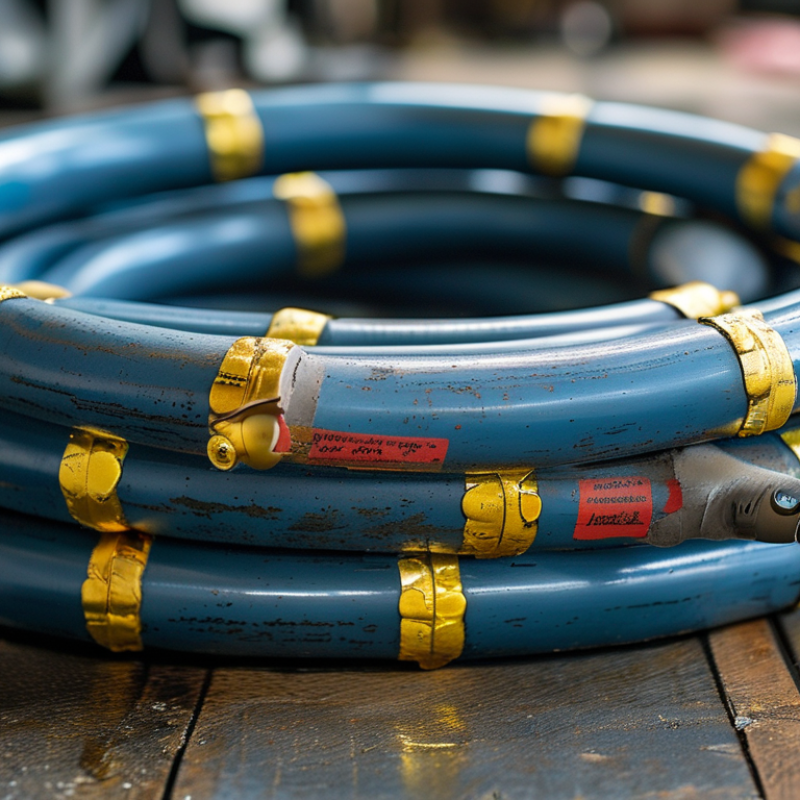
When selecting LPG hoses, understanding their diverse applications is vital. Each setting may demand specific features. Some hoses are designed for high-pressure use, while others cater to low-pressure environments. Consider the environment where the hose will be utilized. Outdoor settings may expose hoses to various weather conditions, requiring durable materials.
One crucial tip is to verify the compatibility of the hose with the specific LPG type. Research each product's specifications thoroughly. Also, be aware of the length and diameter needed for your applications. A hose that is too short or narrow may not function optimally.
Another point to ponder is safety features. Look for hoses equipped with safety valves or burst-resistant constructions. These features enhance reliability in high-risk scenarios. It's noteworthy that not all hoses are created equal, and sometimes, a cheaper option can lead to major issues later. Reflecting on the quality and safety standards is essential for long-term usage and peace of mind.

Material Selection: Understanding Different Types of LPG Hose Materials
When selecting LPG hoses, understanding material options is crucial. Various materials offer different benefits and limitations. Common materials include rubber, PVC, and thermoplastics. Each has unique properties that affect durability, flexibility, and resistance to heat or chemical exposure.
Rubber hoses are known for their strength and flexibility. They can withstand extreme temperatures. However, their lifespan can be shorter in harsh environments. PVC hoses are lightweight and resistant to many chemicals. But they may not perform well in high temperatures.
Consider these tips when purchasing: Check for certifications that guarantee safety and performance. Look for indicators of durability, such as spiral reinforcements. Inspect the hose for compatibility with specific gas types. Consulting with experts can provide insights that enhance your decision-making process. Evaluating your needs against the material properties can lead to better safety and efficiency in your applications.
Key Safety Features to Look for in LPG Hose Products
When purchasing LPG hoses, safety should be a top priority. Look for hoses that feature robust construction. Reinforcement with high-quality materials can prevent leaks and withstand pressure. Consider hoses that are resistant to abrasion and extreme temperatures. This adds to their durability, especially in varied environments.
Another crucial factor is the certification of the hoses. Certified LPG hoses meet safety standards. This gives buyers confidence that the product has been tested for risks. Don’t overlook the importance of proper fittings. They should be compatible with your equipment. Misfitted hoses can lead to dangerous leaks or malfunctions.
Visual inspection is important too. Signs of wear, such as cracks or discoloration, indicate a need for replacement. Always assess the flexibility of the hose. A stiff hose may signal age or poor quality. Buyers should also seek informative product documentation. This can provide vital safety guidelines and usage instructions.
Evaluating Compatibility with LPG Systems and Equipment
When evaluating compatibility with LPG systems, it’s essential to assess various factors. Start by examining the pressure ratings of your existing equipment. Ensure that the hose can handle the pressure without risk. A mismatch here could lead to dangerous leaks or bursts.
Material choice plays a crucial role as well. Different materials affect flexibility and temperature tolerance. Consider where the hose will be used. Outdoor environments can expose the hose to UV light, while high-temperature areas may require specific materials. A failure to address these aspects may result in premature wear or unsafe conditions.
It’s wise to verify the connections between hoses and equipment. Mismatched diameters can create gaps, leading to inefficiencies. The sealing mechanism should fit securely without forcing. Always consult with professionals if unsure. Reflecting on these compatibility factors can save money and enhance safety in the long run.
Top 10 LPG Hose Purchase Tips for Global Buyers
Reviewing Manufacturer Credentials and Certifications for Quality Assurance
When considering the purchase of LPG hoses, reviewing manufacturer credentials is crucial. Verify certifications that demonstrate quality assurance. This could include ISO certifications or compliance with local safety standards. Such credentials reflect a company's commitment to producing reliable products. A well-certified manufacturer often indicates adherence to rigorous testing and quality control processes.
Before making a decision, assess the manufacturer’s experience. How long have they been in the industry? Companies with years of proven excellence typically offer better reliability. Check for customer reviews as these can offer insights into product performance and durability. Not all feedback is positive, though. Some reviews may point out flaws that are worth considering.
Another tip is to inquire about warranty options. A robust warranty suggests that the manufacturer stands behind their product. If a warranty isn’t offered, question the product's reliability. This can be a red flag in assessing quality assurance. Investigate all details thoroughly, including material specifications and customer support services. Remember, a well-informed choice is essential in securing long-lasting and safe LPG hose options.
Article Source:
NORTH EASTON MACHINE • 218 Elm Street • North Easton, MA 02356 • 508-238-6219