What is a Glass Jars Impact Tester and How Does It Work?

The Glass Jars Impact Tester plays a vital role in ensuring the safety and reliability of glass packaging. These devices assess how well glass jars can withstand unexpected impacts during handling and shipping. With increasing demand for sustainable packaging, understanding the durability of glass jars is crucial.

This equipment evaluates stress and breakage points effectively. Engineers and manufacturers rely on it for quality control. The results help identify weak spots in design or materials. However, sometimes results can be unexpected, raising questions about the testing process or materials used.

Ensuring glass jars meet safety standards is essential for consumer confidence. Challenges in testing methods can lead to overlooked flaws. As we explore the intricacies of the Glass Jars Impact Tester, it becomes evident that continuous improvement is necessary for safety in packaging.
What is a Glass Jars Impact Tester and How Does It Work?

What is a Glass Jars Impact Tester and Its Purpose in Packaging Industry

Glass jars are commonly used in the packaging industry. The Glass Jars Impact Tester plays a crucial role in ensuring their durability. This device simulates real-world impact scenarios that jars might face during production and transportation. By testing these jars, manufacturers can identify potential weaknesses.

The purpose of the Glass Jars Impact Tester is clear. It helps assess the strength of jar materials. A successful test reveals how well a jar can withstand shocks and drops. These insights lead to better packaging solutions, ensuring that products arrive safely to consumers. However, results can sometimes be unpredictable. Items might break during tests, which can frustrate engineers and quality control teams alike.

Understanding the limits of jars is vital in the packaging sector. The tester provides important data, but it’s only part of the process. Manufacturers need to refine their designs based on these findings. The goal is to minimize breakage and enhance customer satisfaction. Ultimately, the impact tester serves as a tool for improvement, even as it reveals challenges in jar design.

Key Features and Components of a Glass Jars Impact Tester

A Glass Jars Impact Tester is essential in evaluating the durability of glass packaging. This equipment assesses how well glass jars can endure impacts during transport and handling. Key features include energy absorption measurement and structural integrity assessment. Many industries rely on standardized tests to ensure product safety and minimize breakage, which can lead to financial losses.

The tester typically consists of a drop mechanism, a measurement platform, and software to analyze results. Drop height and weight can be adjusted for different scenarios. Recent reports suggest that approximately 30% of product damage occurs during shipping due to inadequate packaging. Understanding how glass jars withstand impacts is vital for maintaining quality and customer satisfaction.

Testing also uncovers potential flaws in the product design. Despite rigorous standards, there can be variability in glass quality. Companies may find that not all jars pass the impact tests. Variations can stem from factors like temperature fluctuations or manufacturing inconsistencies. Such insights are crucial for improvements. Implementing a robust testing protocol can help manufacturers reduce risk and enhance brand reputation.

Understanding Impact Testing Standards and Industry Regulations

Impact testing is crucial for ensuring the durability and safety of glass jars. Such tests measure how well these jars can withstand sudden shocks. Various industry standards govern how these tests should be conducted. Organizations like ASTM and ISO provide specific guidelines. They outline the conditions and measurements for evaluating jar performance.

Understanding these standards helps manufacturers. Compliance ensures that jars are safe for consumers. However, manufacturers sometimes struggle to keep up with changing regulations. This can lead to lapses in product safety. Regular training and updates are essential to minimize risks.

Tip: Always review current testing standards periodically. It can save time and resources in the long run. Engaging in workshops on impact testing can enhance your knowledge.

Another consideration is the type of materials used in jars. Some glass formulations may perform better than others under impact. Testing should include a variety of jar types. This will provide a clearer picture of overall product resilience.

Tip: Consider running side-by-side tests using different materials. Understand how variations influence results. It's a worthwhile approach to improve product design.

The Testing Procedure: Steps to Perform a Glass Jars Impact Test

The glass jars impact test evaluates the durability and safety of glass packaging. This test is crucial for manufacturers to ensure their products can withstand handling and transportation stresses. The procedure follows a systematic approach that includes several steps.

Start by preparing the glass jars. Ensure they are clean and defect-free. Next, select the impact test apparatus, which usually includes an impact hammer and a drop apparatus. Carefully position the jar within the testing setup. Adjust the height of the drop to simulate realistic impacts it may face during shipping or storage. Release the hammer to strike the jar and observe the results. Record any cracks or breakage that occurs.

Tip: Use standardized heights that reflect real-world scenarios. This can help relate the test data to actual product usage.

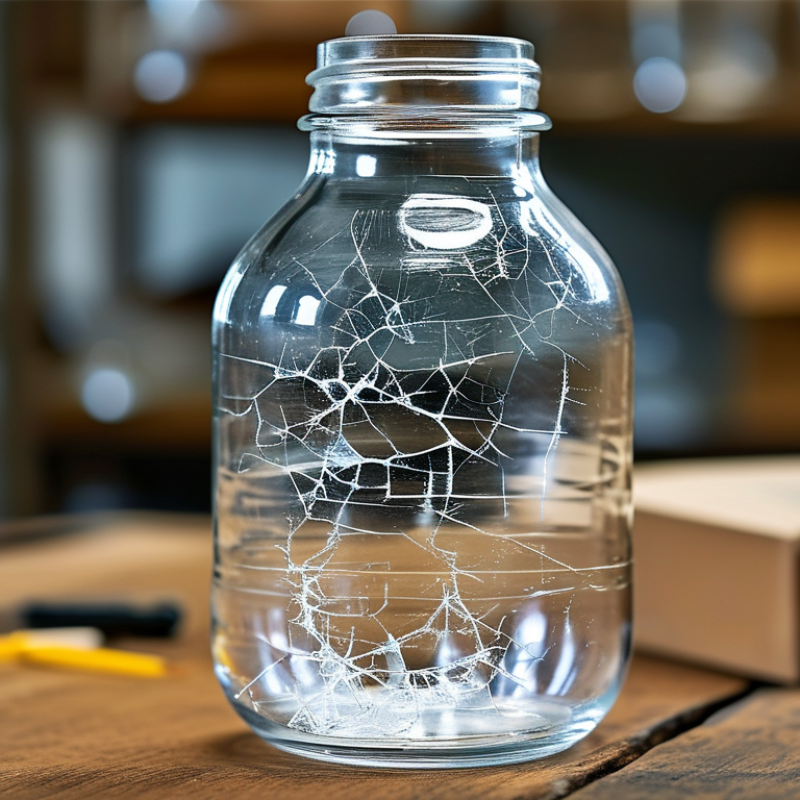
After testing, analyze the outcomes. Note the fracture patterns and the resistance of each jar. Report timely findings to improve product design. It can take time to interpret data accurately. Some jars may perform better under specific conditions, revealing insights for future enhancements.

Tip: Regularly review testing procedures. Small changes can lead to significant improvements in reliability and quality.

Interpreting Results and Improving Glass Jar Durability Through Testing

Glass jars are popular choices for packaging in various industries. Understanding their durability is crucial for ensuring product safety. A Glass Jars Impact Tester evaluates how well these jars withstand impacts. This testing helps identify weaknesses in the jar design or materials used.

Interpreting test results provides insights into how different factors affect jar strength. A specific force can show where a jar may fail. By analyzing data from multiple tests, manufacturers can refine their designs. This involves adjusting material thickness and selecting better glass formulations. However, results may sometimes be inconsistent. Environmental factors, like temperature, can influence outcomes.

Improving glass jar durability is an ongoing journey. Regular testing allows manufacturers to stay ahead of potential issues. However, errors in interpretation can compromise product safety. Continuous learning and adaptation are essential. Engaging in a feedback loop, where results inform future designs, strengthens the overall testing process. Ultimately, robust testing leads to safer, more reliable glass jars in the market.

Impact Resistance of Glass Jars Under Different Conditions

This chart illustrates the impact resistance of glass jars tested at various temperatures. The results indicate that glass jars demonstrate varying levels of impact resistance based on environmental conditions, with the peak performance observed at 25°C.

Certified Quality System

© North Easton Machine Company, Inc. All rights reserved. • Site: Blog
NORTH EASTON MACHINE • 218 Elm Street • North Easton, MA 02356 • 508-238-6219