What is a Filling Capping Machine and How to Choose One?
In the rapidly evolving packaging industry, the efficiency of production lines is paramount. A reliable Filling Capping Machine can significantly enhance operational productivity. According to Dr. Emily Chang, a leading expert in packaging technology, "The choice of a Filling Capping Machine can determine the overall success of your packaging operations." This statement underscores the importance of making informed decisions when selecting equipment.
Filling Capping Machines play a crucial role in a variety of industries, including food, beverage, and pharmaceuticals. Choosing the right machine requires careful consideration of multiple factors. These factors include speed, accuracy, and the types of containers being used. A machine that fits the production needs can streamline processes. However, many companies overlook the nuances involved in selecting the right equipment.
Not all machines will meet every company's requirements. It's essential to assess your specific production goals and bottlenecks. Understanding these unique demands can lead to better choices. Investing in a high-quality Filling Capping Machine is not just a financial decision; it is a path to long-term efficiency and reliability in production.
Understanding the Functionality of Filling Capping Machines
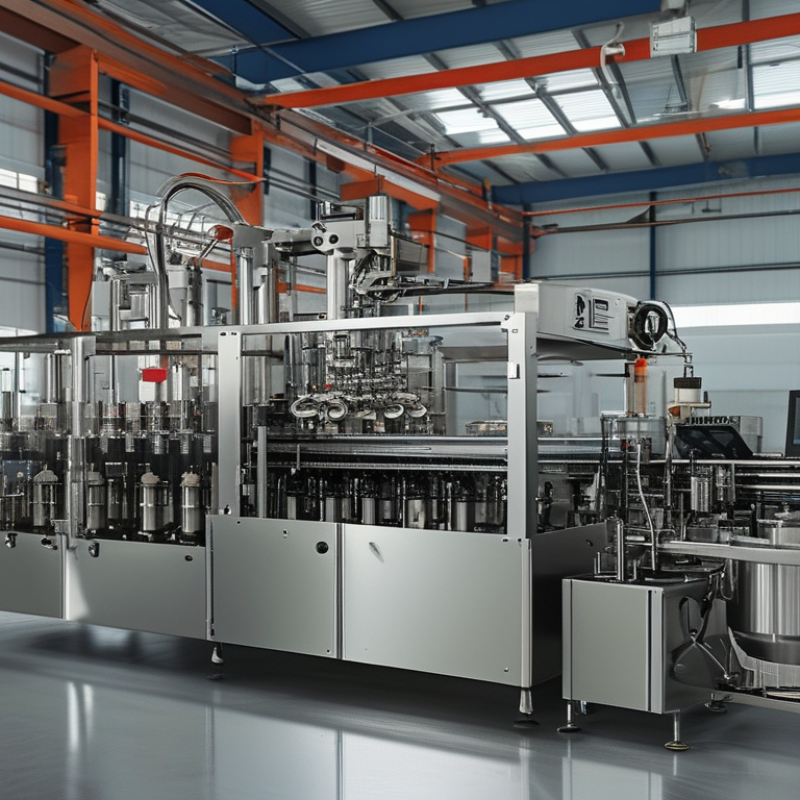
Filling capping machines play a crucial role in the packaging industry. They automate the process of filling containers with liquids, powders, or granules, and then sealing them. This efficiency not only boosts productivity but also reduces human error. A well-functioning machine ensures consistent fills, which enhances product quality and customer satisfaction.
When choosing a filling capping machine, several factors should be considered. The type of product to be packaged is vital. Liquids require different specifications than granular substances. The machine's speed and capacity also matter. You must determine your production needs to select the right model. Additionally, consider the ease of cleaning and maintenance. Complex machines may offer advanced features but can lead to long downtimes for upkeep.
While selecting the right machine, reflect on your production environment. Can the machine handle the required operational temperature? Is there enough space for proper installation? These details can significantly affect efficiency. It's also essential to consider the machine's adaptability. Your business may grow, and so should your equipment. A versatile machine can accommodate future needs and changes in product type.
Key Components of Filling Capping Machines Explained
Filling capping machines play a crucial role in the packaging industry. They ensure that products like beverages and pharmaceuticals are efficiently filled and sealed. Understanding the key components of these machines is essential for making an informed choice.
One of the primary components is the filling system, which can be volumetric or gravimetric. Volumetric systems measure the liquid based on volume, while gravimetric systems weigh the liquid before filling. According to industry reports, volumetric fillers hold a 65% market dominance due to their speed and accuracy. However, gravimetric systems are gaining traction, especially in sectors requiring high precision.
Capping components also vary significantly. They may include screw, snap, or press-on cap systems. The choice depends on the product and container type. A recent survey indicated that about 30% of product spoilage occurs due to improper sealing. This statistic underscores the importance of selecting the right capping mechanism. Manufacturers should carefully evaluate these components, as a poor choice can lead to operational inefficiencies and increased waste. In discussions with industry experts, reliability also emerged as a significant concern, highlighting the necessity for regular maintenance to ensure optimal performance.
Types of Filling Capping Machines and Their Applications
Filling capping machines play a crucial role in various industries. They streamline the packaging process by efficiently filling containers with products and securely sealing them. Different types of machines cater to specific needs, making it essential to understand their applications.
One common type is the liquid filling machine. It is ideal for products like juices or oils. This machine ensures precise measurements, reducing waste. Another popular option is the powder filling machine. It's widely used for products such as spices or flour. These machines require careful calibration to maintain accuracy and avoid clogs. Some machines also integrate automatic capping features, enhancing ease of operation.
Choosing the right filling capping machine can be challenging. Factors like container size and product viscosity matter greatly. Users often overlook maintenance requirements, which can lead to inefficiencies. Regular checks and cleaning can prevent problems. It's essential to evaluate production speed, as some machines may not meet high-demand needs. Ultimately, thorough research and understanding of specific applications are necessary for making an informed decision.
Factors to Consider When Choosing a Filling Capping Machine
When selecting a filling capping machine, several factors demand careful consideration. The type of product is crucial. Liquids, powders, and granules each require specific machinery designs. Understanding the viscosity and flow characteristics of your product is key. Similarly, the type of container matters. Bottles, jars, or tubes all have unique requirements. This makes it essential to ensure the machine can accommodate your packaging needs.
Another significant factor is the production capacity. How many units per hour does your operation require? A machine that can’t keep up with demand will lead to bottlenecks. Conversely, investing in a system too large for your needs wastes resources. Think about space as well. Some machines require substantial floor area. Ensure you have enough space for operation and maintenance.
Don't overlook the ease of operation. A machine that is too complex may lead to operational issues. Staff must comfortably understand its functions. Inconsistent performance can be a hidden cost. Consider maintenance needs as well. Regular upkeep ensures longevity and efficiency. Always check the manufacturer's support and service options. An unreliable supplier can complicate future operations.
Maintenance Tips for Optimal Performance of Filling Capping Machines
Filling capping machines are vital in packaging industries. Proper maintenance is crucial for ensuring their efficiency and longevity. Regular inspections are essential. Check for wear and tear on every component. Visual inspections can catch issues before they escalate.
Lubrication is another key factor in maintaining these machines. Ensure that all moving parts receive adequate lubricant. This prevents friction, which can lead to breakdowns. However, over-lubrication can cause damage. Use the right amount of lubricant according to the manufacturer's guidelines, but don't overlook the need for regular maintenance checks.
Cleaning is often neglected, yet it plays a significant role in performance. Regularly remove residue and any buildup to avoid contamination. Use the appropriate cleaning agents, which should not harm the machine components. Remember, incomplete cleaning may lead to more significant problems later. Addressing these small issues now can prevent larger headaches down the line.
What is a Filling Capping Machine and How to Choose One? - Maintenance Tips for Optimal Performance of Filling Capping Machines
| Feature | Description | Maintenance Tips |
| Application | Used for filling liquids, pastes, and powders into containers. | Regularly check the nozzle for blockages. |
| Types | Gravity fillers, pressure fillers, vacuum fillers, etc. | Keep machinery parts lubricated and free from contaminants. |
| Speed | Processing speeds can range from 30 to 300 bottles per minute. | Monitor output to ensure consistent speed. |
| Container Types | Compatible with bottles, jars, and other packaging types. | Adjust settings based on the container type to avoid spillage. |
| Material Handling | Handles glass, plastic, metal, and more. | Inspect for wear and tear on conveyor components regularly. |
| Error Detection | Features sensors to detect misalignments and jams. | Implement routine audits to identify and rectify issues. |



 Find Your Solutions ▶