
What is a Cold Storage Condensing Unit and How Does It Work?
Cold Storage Condensing Units are essential in temperature-controlled environments. They help maintain optimal conditions for perishable goods. Understanding their function is key for businesses that rely on refrigeration.
These units consist of several components working together. They compress refrigerant, which absorbs heat from the stored items. This process cools the air, preserving food and pharmaceuticals. The efficiency of a Cold Storage Condensing Unit can significantly affect operational costs.
Many users may not realize the importance of regular maintenance. Neglect could lead to inefficiencies and costly repairs. Investing in a reliable unit and understanding its operation is crucial for any business.
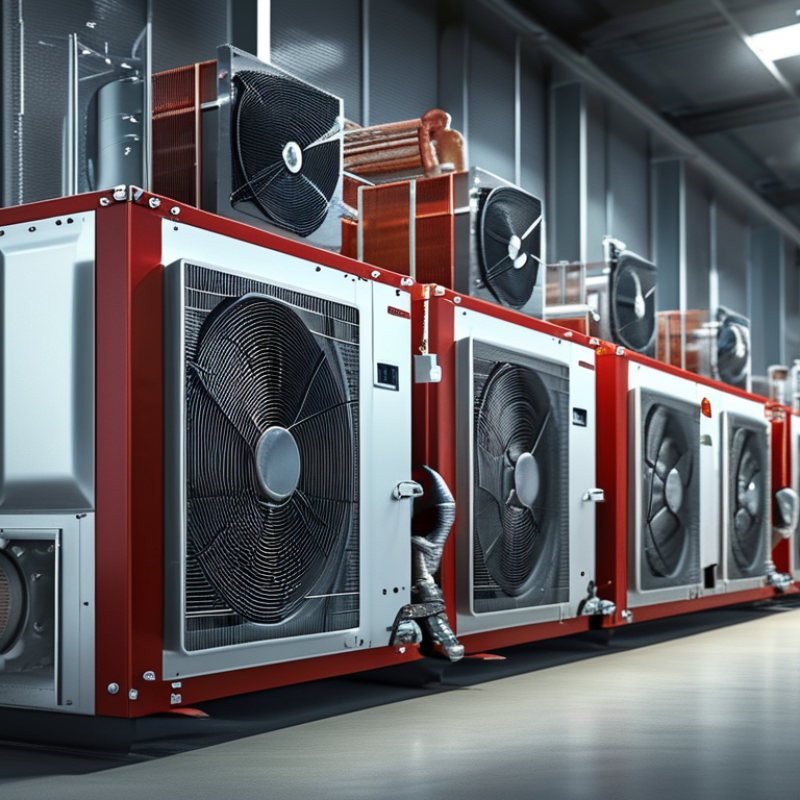
What is a Cold Storage Condensing Unit?
A cold storage condensing unit is a vital component in refrigeration systems. It plays a crucial role in keeping perishable items fresh. Typically found in supermarkets and warehouses, this unit absorbs heat from the storage space. It ensures that the internal temperature remains low, preserving the quality of stored products.
The unit operates using a refrigerant, which cycles through various stages. It begins as a gas, absorbs heat, and later condenses back into a liquid. This cycle efficiently manages temperature levels, benefiting both businesses and consumers. Proper maintenance is essential. Neglecting to check for leaks or dirt build-up can lead to inefficiencies.
Tips for maintaining a cold storage condensing unit include regular inspections and cleaning of coils. Monitoring the refrigerant levels is equally important. If levels drop, the system can't function properly. Consider scheduling professional maintenance annually. This can prevent costly repairs. Always keep an eye on the temperature settings. A slight adjustment can make a significant difference.

Components of a Cold Storage Condensing Unit Explained
A cold storage condensing unit is vital for maintaining low temperatures in various settings. Understanding its components can help businesses make informed decisions about refrigeration systems.
The primary component is the compressor. It pumps refrigerant through the system. Next, we have the condenser, which cools the refrigerant from a gas to a liquid. The expansion valve follows, controlling the refrigerant flowing into the evaporator. This process absorbs heat, lowering the temperature of the storage area.
When using these units, regular maintenance is crucial. Check for any leaks in the system. Small refrigerant losses can lead to inefficient cooling. Also, clean the condenser coils. Dust buildup can reduce performance efficiency. Always monitor the temperature readings. Fluctuations can indicate underlying issues.
It's wise to consider the size of your cold storage space. An oversized unit can lead to rapid cycling, wearing out the compressor. On the other hand, an undersized unit may struggle to maintain the desired temperature. Adjustments could be necessary to achieve optimal efficiency. Careful planning ensures a reliable cold storage solution.
How Cooling Cycles Operate in Condensing Units
Condensing units play a crucial role in cold storage systems. They work by circulating refrigerant through a closed loop. The basic operation relies on cooling cycles. These cycles begin when the refrigerant absorbs heat from the stored products. As it absorbs heat, the refrigerant turns into a gas. This gas is then compressed, increasing its pressure and temperature.
Once pressurized, the refrigerant moves to the condenser. Here, it releases heat to the outside air. This heat exchange causes the refrigerant to cool down and condense back into a liquid state. The liquid refrigerant then flows back into the evaporator. This cycle repeats continuously. It is essential for maintaining a consistent cold environment.
However, not all systems run perfectly. Issues such as refrigerant leaks can disrupt the cooling cycle. Regular maintenance is critical to avoid malfunctions. Operators must be vigilant about monitoring system performance. A small oversight can lead to significant product spoilage. Understanding these cycles is vital for effective cold storage management. It ensures optimal operating conditions and safeguards stored goods.
Efficiency Ratings: Understanding COP and EER in Cold Storage Units
Cold storage condensing units play a critical role in maintaining optimal temperatures for perishable goods. To evaluate their performance, it’s essential to understand two key efficiency ratings: COP (Coefficient of Performance) and EER (Energy Efficiency Ratio). These metrics help not only in energy savings but also in ensuring the quality and safety of stored products.
The COP measures the ratio of cooling output to electrical input. A higher COP indicates a more efficient unit. Conversely, EER quantifies the cooling output during peak cooling conditions. It’s important to know that both ratings can differ significantly based on environmental conditions. Some units may perform well in moderate climates but struggle in extreme heat.
When choosing a cold storage unit, look beyond just the numbers. Installation, maintenance practices, and overall system design can drastically impact efficiency. Regular assessments of these units could reveal inefficiencies too subtle to notice otherwise. Attention to detail in the selection process is key. Small oversights can lead to increased energy costs or compromised product integrity. Maintaining an efficient cold storage system is a continuous journey.
What is a Cold Storage Condensing Unit and How Does It Work?
| Feature | Description | Efficiency Rating |
|---|---|---|
| Cooling Capacity | Measured in BTU/hr. Indicates the amount of heat removed from a space over time. | N/A |
| Coefficient of Performance (COP) | Ratio of cooling output to electrical energy input. Higher is more efficient. | 3.0 to 5.0 |
| Energy Efficiency Ratio (EER) | Measure of the cooling capacity of an air conditioning unit compared to its power input. Higher EER indicates better efficiency. | 10 to 15 |
| Refrigerant Type | Chemical used in the refrigeration cycle. Common types include R-404A and R-134A. | N/A |
| Compressor Type | Different types (e.g., scroll, reciprocating) affect the efficiency and maintenance. | N/A |
| Temperature Range | Typical operating range for cold storage units is between -20°F and 40°F. | N/A |
Applications of Cold Storage Condensing Units in Various Industries
Cold storage condensing units play a vital role across several industries. In the food and beverage sector, these units ensure that perishable goods remain fresh. Without proper cooling, fruits and vegetables can spoil quickly. A reliable condensing unit maintains optimal temperatures, helping retailers minimize waste.
These units are also crucial in pharmaceuticals. Many medications require specific temperature controls to remain effective. A malfunction can render a life-saving drug ineffective. Cold storage solutions keep these products within safe ranges, protecting public health.
However, maintaining these systems can be challenging. Regular maintenance is essential to avoid breakdowns. It's important to check for leaks or inefficiencies that can impact performance. The need for skilled technicians is imperative. Investing in training can pay off. Even minor oversight can lead to significant losses. Therefore, consistent evaluation of these crucial systems is needed.
NORTH EASTON MACHINE • 218 Elm Street • North Easton, MA 02356 • 508-238-6219