How to Use CNC Cutting for Precision Manufacturing?
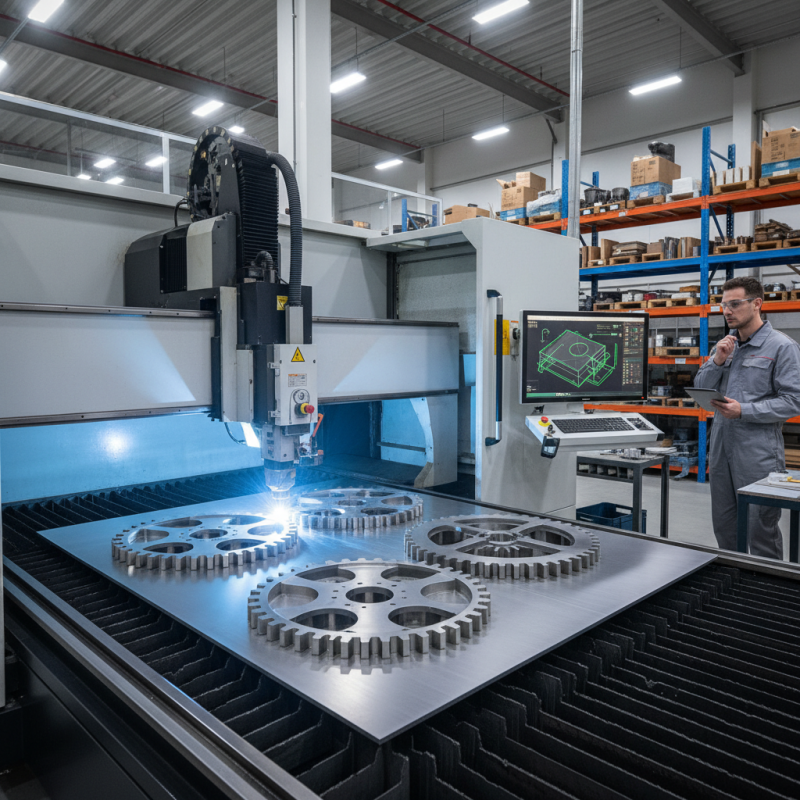
CNC Cutting plays a crucial role in precision manufacturing. This technology utilizes computer-controlled machines to cut materials with high accuracy. Industries, from aerospace to automotive, rely on CNC Cutting for its ability to create complex shapes and detailed designs.
The process begins with a digital blueprint. A computer program translates this design into instructions for the CNC machine. Steel, wood, and plastic can all be shaped precisely with minimal human intervention. This method reduces errors and waste, but not every project goes perfectly. Sometimes, miscalculations occur, leading to unexpected results.
Understanding these challenges is key to mastering CNC Cutting. It requires continuous learning and refining techniques. Each project presents unique obstacles that demand flexibility and adaptation. Recognizing that perfection is not always attainable can lead to better strategies in future endeavors.
Understanding CNC Cutting: Definition and Overview of Technology
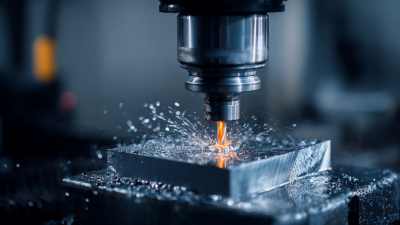
CNC cutting, or Computer Numerical Control cutting, is a crucial technology in precision manufacturing. At its core, CNC cutting involves using programmed commands to control machine tools. This allows for high accuracy, often within ±0.01 mm, which is essential in industries such as aerospace and automotive. According to a report by the International Federation of Robotics, CNC machines have improved efficiency in manufacturing by over 30%. This technology automates processes that were once labor-intensive and time-consuming.
When utilizing CNC cutting, it's essential to choose the right materials. Often, aluminum and steel are preferable due to their balance of strength and machinability. However, materials like plastics and composites have unique benefits and applications. Each material presents its own challenges. For instance, some materials can warp when exposed to heat during the cutting process. Understanding these nuances helps in selecting the best fit for your project.
Tip: Always conduct a test cut before finalizing production. This way, potential issues can be identified early. Keeping a detailed log of test cuts can also provide valuable insights for future projects. Remember, not every design translates perfectly to CNC cutting. Adjustments may be necessary based on material behavior and tool wear. Staying flexible is key.
Key Advantages of CNC Cutting in Precision Manufacturing Applications
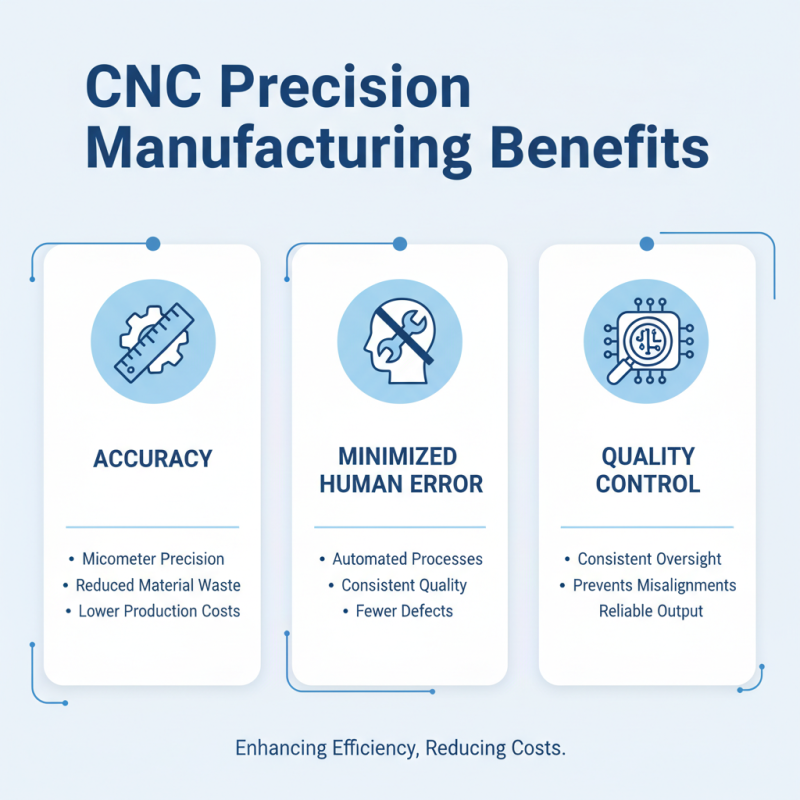
CNC cutting offers significant advantages in precision manufacturing. One of its main benefits is accuracy. Machines can cut materials down to micrometers. This level of precision reduces waste and lowers costs. Many manufacturers find that CNC cutting minimizes human error. Despite this, occasional misalignments can still occur, requiring careful oversight.
Another advantage is versatility. CNC machines can handle various materials. Metal, wood, and plastics are just a few examples. This adaptability makes them ideal for diverse applications. However, the programming process can be complex. Users must ensure they input the correct specifications. Errors in programming can lead to flawed products, reflecting the need for diligent monitoring.
Speed is also a notable benefit. CNC cutting can produce parts much faster than traditional methods. This efficiency helps meet tight deadlines. Even so, the setup time for CNC machinery can be lengthy. Manufacturers must weigh the initial time investment. Overall, CNC cutting can greatly enhance precision manufacturing when executed with care.
Industry Standards and Tolerances Achieved with CNC Cutting Techniques
CNC cutting is revolutionizing precision manufacturing. It achieves high industry standards and tolerances. According to a report by the National Institute of Standards and Technology, CNC machines can maintain tolerances as tight as ±0.001 inches. This precision is crucial in aerospace and automotive sectors. These industries often require complex designs that demand exact measurements.
However, achieving these tolerances is not always straightforward. Issues such as tool wear and material variability can affect results. A recent study noted that nearly 30% of components might fall outside acceptable tolerances due to these factors. Continuous monitoring and adjustments are key. Regular calibration of CNC machines can help mitigate these risks.
Moreover, understanding material properties is essential. Different materials respond uniquely to cutting processes. For instance, alloys may require specific speeds and feeds to maintain precision. An in-depth analysis could reveal potential shortcomings in current practices. Striving for perfection in CNC cutting is vital, but there is always room for improvement.
Precision Manufacturing Tolerances Achieved with CNC Cutting Techniques
Materials Commonly Used in CNC Cutting and Their Impact on Precision
CNC cutting technology offers a range of materials for precise manufacturing. Commonly used materials include metals, plastics, and wood. Each material interacts differently with cutting tools, which can influence the accuracy of the final product. For example, aluminum is lightweight and easy to cut, but it can warp under heat. Precision can suffer if not monitored carefully.
Plastics, like
acrylic, provide excellent finish and are
easy to machine. However, they may chip if cut too quickly. Wood, while natural and aesthetic, poses challenges. Variations in grain can affect cutting precision. Not every CNC setup handles these materials equally.
Manufacturers must choose the
right material for their needs. They should also consider
machining limits. Testing is crucial to ensure precision. Mistakes can lead to
material waste and time loss. Reflecting on these factors can lead to better practices in CNC cutting.
Future Trends in CNC Cutting Technology and Its Role in Manufacturing
CNC cutting technology is evolving rapidly. It plays a crucial role in precision manufacturing. Advances in machine learning and AI are enhancing its capabilities. These technologies improve accuracy and efficiency in production.
One notable trend is the rise of adaptive cutting. Machines now adjust in real-time to material changes. This reduces waste and improves output quality. However, adopting these advanced systems requires substantial investment and training. Many companies struggle to keep up with the pace of innovation.
Sustainability is another future focus. Eco-friendly materials and processes are gaining traction. Manufacturers face challenges in balancing efficiency and environmental impact. The industry must continually reflect on these issues to remain competitive and responsible.
How to Use CNC Cutting for Precision Manufacturing?
| Dimension |
Description |
Future Trends |
| Material Type |
Variety of materials including metals, plastics, and composites are used in CNC cutting. |
Increasing use of advanced materials like carbon fiber and bio-materials. |
| Precision Level |
CNC cutting can achieve precision levels of +/- 0.01 mm. |
Development of ultra-precise machines with 5-axis capabilities. |
| Production Speed |
Fast production speed, significantly reducing manufacturing lead times. |
Integration of AI for optimized cutting paths leading to faster operations. |
| Automation |
High level of automation with minimal human intervention required. |
Growing use of robotics for handling and processing materials alongside CNC machines. |
| Software Integration |
Modern CNC machines utilize advanced software for operation and monitoring. |
AI and machine learning applications for real-time adjustments and monitoring. |




 Find Your Solutions ▶