How to Choose the Right Marking Machine for Your Business?
Choosing the right marking machine for your business can be challenging. With various models available, making the right decision is crucial. A suitable marking machine enhances productivity, ensures product quality, and minimizes errors. It becomes an essential tool in many industries, including manufacturing, packaging, and electronics.
When selecting a marking machine, consider your specific needs. Think about the materials you'll be marking, the required speed, and the level of precision. Each machine type offers unique advantages. For example, laser marking machines provide high precision and durability but may come with higher costs. In contrast, inkjet machines are often more economical but might lack longevity and clarity.
It’s vital to reflect on your long-term goals. Investing in a marking machine is not just a purchase; it’s a commitment to your business’s efficiency. Always gather insights from industry experts and consider feedback from other users. Remember, the best marking machine aligns with both your operational requirements and your budget constraints. Your choice can greatly impact your business’s success.
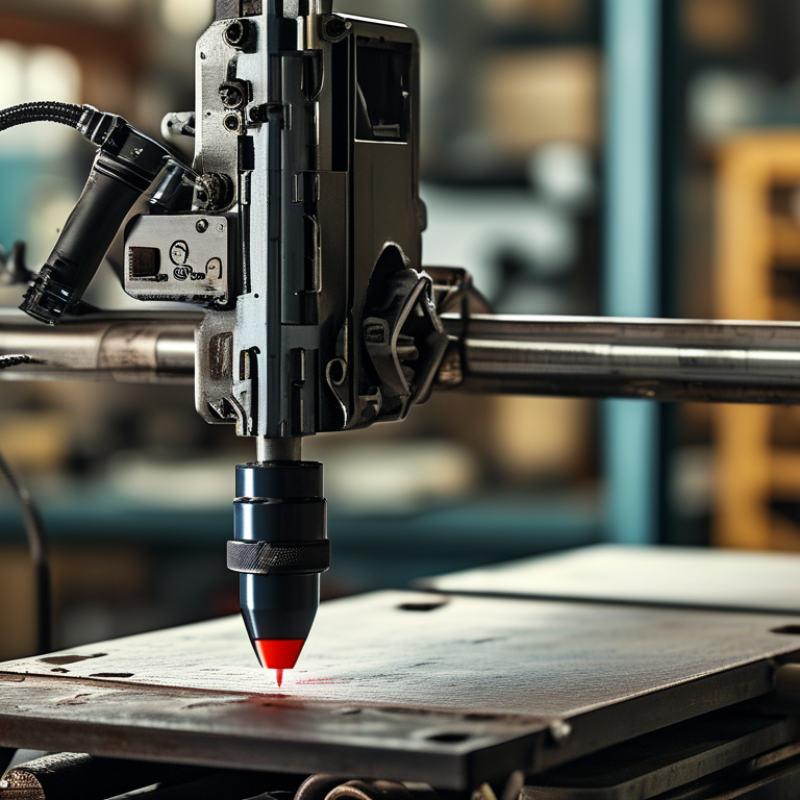
Understanding Your Business's Marking Needs
When choosing a marking machine for your business, understanding your marking needs is crucial. Consider the type of materials you use. Different machines work better on metal, plastic, or wood. Evaluate the marking depth and resolution required for your products. High precision might be necessary for detailed logos or barcodes.
Tips for assessing your needs: Analyze your production speed. Do you need a machine that operates quickly? Slow machines can limit productivity but might be more affordable. Also, examine the volume of products needing marking daily. This will guide you in selecting a suitable machine.
It’s essential to contemplate the environment where the machine will be used. Will it be in a dusty factory or a clean office space? This aspect affects durability and maintenance requirements. Don't overlook user-friendliness. A complicated machine may lead to training challenges and inefficiencies. Always reflect on these factors before making a decision. It's a significant investment.
How to Choose the Right Marking Machine for Your Business? - Understanding Your Business's Marking Needs
| Type of Marking Machine | Suitable Materials | Speed (Items/Minute) | Cost Range (USD) | Ideal Industries |
| Laser Marking Machine | Metal, Plastic, Glass | 50-100 | $10,000 - $50,000 | Manufacturing, Electronics |
| Inkjet Marking Machine | Cardboard, Plastic, Metal | 30-80 | $3,000 - $15,000 | Packaging, Food & Beverage |
| Embossing Marking Machine | Leather, Paper, Plastic | 20-50 | $7,000 - $30,000 | Textiles, Stationery |
| Dot Peen Marking Machine | Metal, Hard Plastics | 40-90 | $5,000 - $25,000 | Automotive, Aerospace |
| Labeling Machine | Plastic, Glass, Metal | 60-150 | $4,000 - $20,000 | Beverage, Cosmetics |
Types of Marking Machines Available in the Market
When selecting a marking machine, understanding the types available is crucial. Generally, marking machines can be categorized into laser, dot peen, and inkjet types. Each type serves different applications and industries. In a recent report by MarketsandMarkets, the laser marking machine market is projected to reach $5 billion by 2026, with a CAGR of 6.5%. This reflects a growing reliance on precision and efficiency in manufacturing.
Laser marking machines are preferred for their accuracy and speed. They work well on various materials, from metals to plastics. On the other hand, dot peen machines are popular in industries that require permanent marking on harder surfaces. These machines can mark serial numbers and barcodes reliably. According to a study, dot peen technology is estimated to grow by 4.2% annually through 2024.
Inkjet marking machines bring versatility to the table. They are excellent for packaging and labeling applications. However, these machines may not provide the durability offered by laser options. Cost and maintenance should also be considered when choosing a machine. Evaluate the specific needs of your business to make an informed decision. Factors such as production volume and material type play significant roles in the selection process. Choosing wisely can improve efficiency and reduce errors in your marking processes.
Key Features to Consider When Choosing a Marking Machine
Choosing the right marking machine can significantly impact your business operations. Key features to consider will help you make an informed decision. One important aspect is the type of marking technology. Various options include laser, dot peen, and thermal transfer. Each technology has unique advantages and may suit different materials and purposes.
Durability and maintenance are also crucial. A rugged machine can withstand harsh environments. Look for easy-to-replace parts and accessible service support. This may save time and minimize disruptions. Additionally, consider the speed and efficiency of the machine. An ideal machine should balance high-speed marking with precision.
Focus on usability, too. A user-friendly interface can enhance productivity. It should allow operators to learn quickly. Training time is essential. Lastly, assess compatibility with your existing systems. Proper integration can streamline your workflow. Avoiding compatibility issues will prevent headaches later on.
Evaluating Cost vs. Quality in Marking Machines
Evaluating cost versus quality in marking machines requires a careful analysis. Many businesses may opt for low-cost machines, thinking they are saving money. However, cheap options often compromise durability and precision. Consider the materials you'll use. A machine that works well with plastics may not perform as effectively on metals. Think about your production speed too. Slower machines can increase long-term costs due to inefficiency.
Quality machines bring certain advantages. They often feature advanced technology. This results in cleaner and more consistent markings. An initial higher investment can lead to better performance and less downtime. Additionally, reliable machines might require fewer repairs. This translates to lower maintenance costs.
When assessing options, gather expert opinions. Speak with professionals who have firsthand experience. Their insights can guide you in making an informed decision. Reflect on your business goals and production needs. It’s a significant investment, and considering these factors can help prevent future regrets. A well-rounded decision can positively impact your brand's reputation and operational efficiency.
Assessing Technical Support and Warranty Options
When selecting a marking machine, evaluating technical support is crucial. The quality of support can significantly affect your operations. According to a report from the Marking and Coding Association, about 65% of businesses consider ongoing support and service as a key factor in their purchasing decisions. This statistic underscores the importance of having reliable assistance when you need it.
Warranties are another critical aspect. A machine might come with a warranty of one to five years. However, not all warranties are equal. Detailed breakdowns of what's covered can make or break your decision. Research indicates that businesses often overlook terms and conditions, leading to confusion later. It's vital to ask specific questions about service responsiveness. Machines may fail or require maintenance. A quick response can minimize downtime, which is costly.
Investing in a marking machine is not just about the price tag. Technical support and warranty are pivotal in the total cost of ownership. A well-supported machine may prove more cost-effective in the long run. However, companies should critically evaluate the support experience of others. Past performance may not guarantee future reliability. Thus, it is essential to seek out customer reviews or testimonials.
Assessing Technical Support and Warranty Options for Marking Machines

 Find Your Solutions ▶