
How to Choose the Right Cartridge Filters for Your Needs?

Choosing the right cartridge filters can significantly impact your operations. According to industry expert Dr. Emily Carter, "The effectiveness of your filtration largely depends on selecting the right cartridge filter." This insight highlights the importance of understanding what cartridge filters do and how they perform in various applications.

Cartridge filters are vital for maintaining clean fluids in many industries. They capture particles and contaminants efficiently, improving overall system health. However, not every cartridge filter suits every need. Different environments require specific filters for optimal performance. For example, a manufacturing facility might need filters designed to handle high levels of particulate matter, while a water treatment plant might focus on removing chemicals.

Selecting the right cartridge filter involves assessing the application. Consider factors such as fluid type, temperature, and flow rate. Understanding these specifications can guide you toward the ideal filter. Remember, the wrong choice may lead to inefficiencies and increased costs. It's a reflection of how attention to detail can make a significant difference in filtration success.
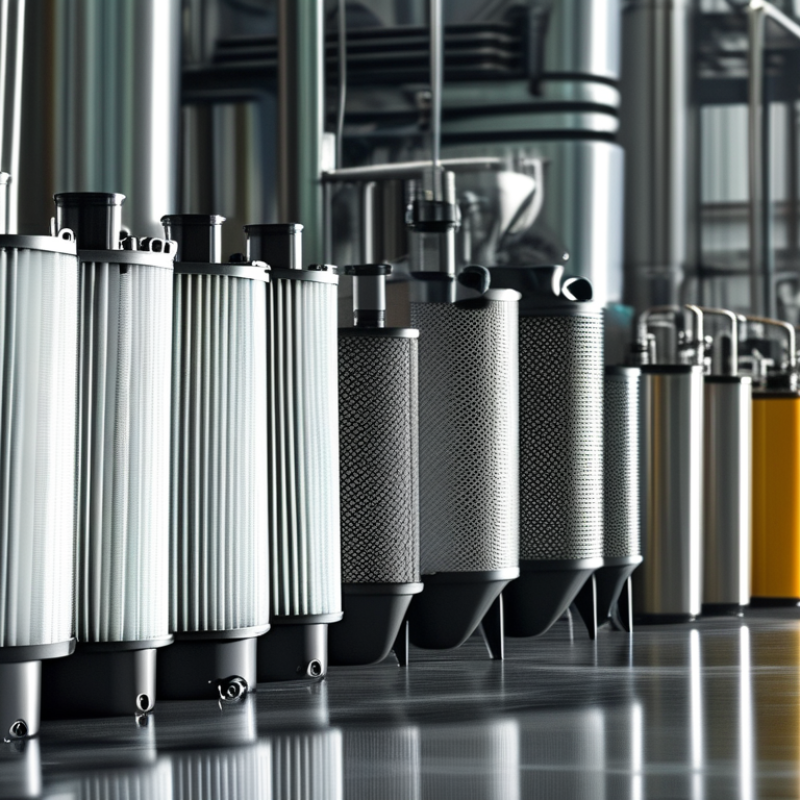
How to Choose the Right Cartridge Filters for Your Needs?

Types of Cartridge Filters and Their Applications

Selecting the right cartridge filter involves understanding the available types and their specific applications. Cartridge filters are often categorized into three main types: depth filters, surface filters, and pleated filters. Each type serves unique purposes based on the application, such as water purification, industrial processes, or HVAC systems.

Depth filters are designed to capture particles throughout the filter's structure. They are effective for applications with high dirt loads. Surface filters, on the other hand, trap contaminants on their surface and are ideal for finer filtration. Pleated filters provide a larger surface area, which enhances their dirt-holding capacity. Industry reports indicate that pleated filters can improve filtration efficiency by up to 30% compared to standard options.

When choosing a filter, consider the flow rate and size. A mismatched filter may reduce efficiency. Pay attention to the micron rating as well. A lower micron rating means finer filtration but can also lead to higher pressure drops.

Tip: Always check compatibility with your existing systems. Overlooking this can result in issues. Evaluate maintenance needs too. Some filters require more frequent replacements and can increase operational costs. Think about your long-term requirements before making a decision.

Factors to Consider When Selecting Cartridge Filters

Choosing the right cartridge filters can be challenging. Several critical factors come into play. Understanding your specific application is essential. Consider the type of fluid you will filter. Chemicals, oils, and water all require different filtration materials. Additionally, the size of particles needing removal matters. A finer filtration level may be necessary for certain processes.

Flow rate is another key factor. The filter must support the volume and speed of the fluid flow. If not, it can lead to inefficiency or equipment damage. Also, consider the filter's lifespan. Longer-lasting options might save costs but could require a higher initial investment. Assessing maintenance needs is vital too. A filter that is easy to change will save downtime and effort.

Don’t overlook the environment as well. Temperature and pressure conditions will affect filter performance. You might find that your chosen filter doesn’t perform as expected under extreme conditions. Always reflect on these aspects before making a decision. Sometimes, trying different filters helps identify what works best. It can be a process of trial and error. Embracing uncertainty can lead to improved solutions over time.

Evaluating Filter Size and Compatibility with Systems

Choosing the right cartridge filters requires careful consideration of filter size and compatibility. The filter should fit seamlessly into your system. An ill-fitting filter can compromise efficiency. It’s essential to measure the existing filter dimensions accurately. A mismatched size can lead to leaks or reduced filtration performance.

Compatibility also involves understanding your system’s requirements. Different systems operate under various conditions. Think about flow rates, pressure, and the type of contaminants you want to remove. Not every filter will work well in every setup. It’s a common oversight to purchase based solely on size.

You may face challenges in selecting filters based on performance ratings alone. Many assume that higher ratings mean better quality. This isn’t always the case. Sometimes, performance might not align with system demands. Evaluate your needs thoroughly. Consider seeking advice from experts in the field. A little reflection on your requirements can lead to better choices.

Understanding Filter Material and Its Impact on Performance

When selecting cartridge filters, understanding the filter material is crucial. Different materials offer varied levels of filtration efficiency and durability. For instance, pleated polyester filters are common for capturing large particles. They provide a good balance of cost and performance. However, they may not be effective against smaller contaminants.

Consider the application. If you are filtering fine particulates, a filter made from polypropylene may be more suitable. This material is designed for high dirt-holding capacity and works well in water purification systems. On the other hand, cellulose filters are often less durable and may release fibers, which might compromise filtration.

Evaluating the intended use will also guide your choice of filter material. It is essential to assess the environment. High humidity or exposure to chemicals can impact performance. Not all materials handle these factors equally. Recognizing these nuances can lead to better choices. Make sure to reflect on your specific needs before deciding, as not all filters fit every application. Understanding the interplay between material and requirements can prevent costly mistakes.

Maintenance and Replacement Guidelines for Cartridge Filters

Regular maintenance of cartridge filters is essential for optimal performance. Dirty filters can lead to reduced efficiency and increased operational costs. Make it a routine to check filters every month. Replace them when you notice a significant buildup of dirt or debris. A general rule is to change filters every six months, but this may vary depending on usage.

Pay attention to the environment where the filters operate. High dust or pollen levels may require more frequent replacements. Ensure you follow the manufacturer's guidelines for installation and replacement. Incorrect size or type can lead to inadequate filtration.

Cleaning methods can differ based on the filter materials. Some filters are washable, while others are not. If you decide to wash a filter, use mild soap and water. Avoid harsh chemicals. Always dry filters completely before reinstalling. Remember, a well-maintained filter can improve air quality and prolong system life. The importance of routine checks cannot be overstated. Filters perform best when they are clean and in good condition.

Certified Quality System

© North Easton Machine Company, Inc. All rights reserved. • Site: Blog
NORTH EASTON MACHINE • 218 Elm Street • North Easton, MA 02356 • 508-238-6219