
How to Choose the Best Power Loom Machine for Your Business?

Choosing the right Power Loom Machine is crucial for textile business success. Experts in the industry emphasize this importance. Thomas Anker, a seasoned textile engineer, once said, "The right loom can define your production quality." His insight highlights how choosing wisely affects outcomes.

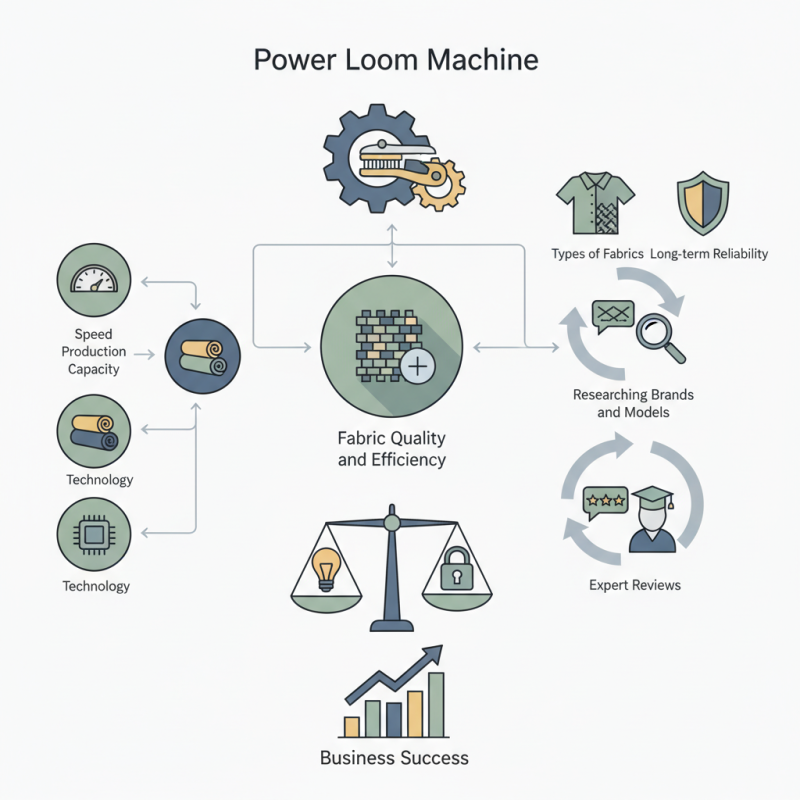
Investing in a Power Loom Machine requires careful consideration of various factors. Consider production capacity, speed, and technology. Each aspect influences fabric quality and efficiency. With numerous options available, it can be overwhelming. A wrong choice might lead to increased costs and inefficiencies.

It's essential to assess your specific business needs. Take into account the types of fabrics you plan to produce. Additionally, consider the long-term reliability of the machine. Researching brands and models is vital. Community feedback and expert reviews can be invaluable. Balancing innovation and reliability is key in this decision-making process.
How to Choose the Best Power Loom Machine for Your Business?

Types of Power Loom Machines Available for Businesses

When selecting a power loom machine, understanding the types available is essential. Various models cater to different production needs. The most common types include high-speed looms, jacquard looms, and shuttleless looms. Each has unique features and benefits.

High-speed looms are ideal for mass production, offering efficiency and speed. Jacquard looms excel in creating intricate patterns. While shuttleless looms provide versatility and reduced downtime, they may require a higher initial investment.

Choosing the right loom requires assessing your production goals. For instance, if your business focuses on unique designs, jacquard looms could be more appropriate. However, a high-speed loom might be the best choice for standard textiles. It's also important to consider the space and budget constraints. Some machines may look appealing but can be complex and hard to operate. Familiarizing yourself with these details helps avoid costly mistakes.

Quality and reliability are crucial in any power loom machine. Manufacturers' specifications can be misleading. Researching user experiences can shed light on the machine's actual performance. It's wise to reflect on the long-term support and availability of parts. Inconsistent after-sales service can lead to significant challenges later. Thorough research pays off in the long run, ensuring your business can thrive with the right equipment.

Key Features to Consider When Selecting a Power Loom Machine

When selecting a power loom machine, several key features must be considered. The machine's speed is critical. A high-speed loom can increase production, but it requires skilled operators. Slow looms may be easier to manage but can limit output. Assess your team’s expertise before deciding.

Another essential feature is the machine's versatility. Look for models that can handle various fabric types. This flexibility will enable you to diversify your product line. However, multitasking machines sometimes sacrifice quality. It's important to find a balance between flexibility and quality.

The ease of maintenance is also vital. Regular upkeep is necessary to keep machines running smoothly. Some power looms may need frequent parts replacement, while others are more durable. Understand the long-term costs involved. This could affect your overall budget.

Assessing Your Business Needs for a Power Loom Machine

When considering a power loom machine, it's essential to assess your business needs. Start by evaluating your production capacity. According to industry reports, a typical medium-sized textile manufacturer requires looms that can handle 500 to 800 meters of fabric per hour. If your output expectations fall short, investing in a machine with inadequate capacity can lead to delays and lost revenues.

Next, consider the types of fabrics you intend to produce. Different power looms have specific capabilities. For instance, weaving complex patterns may require advanced technology. A report by the Fabric Manufacturers Association indicates that 65% of companies face challenges when integrating new looms for technical textiles. This underscores the importance of compatibility and feature assessment in your decision-making process.

Lastly, think about the long-term costs, including maintenance and energy usage. Research shows that power looms can consume up to 30% more energy compared to manual looms. Reflect on whether your current budget can accommodate these ongoing expenses. Establishing a balance between initial investment and operational efficiency is critical for sustainable business growth.

Budgeting and Cost Considerations for Power Loom Machines

Choosing the right power loom machine for your business involves careful budgeting. Many factors impact the overall cost. These factors include the machine's features, production capacity, and maintenance requirements. It's important to evaluate what features are essential for your production needs.

When setting a budget, consider both upfront and long-term costs. A more expensive machine might offer better durability. However, lower-cost machines may have hidden repair costs. Depending on your workload, investing in a higher-quality machine could save money in the long run. Be cautious with financing options. They can lead to long-term debt if not managed properly.

Regular maintenance costs should also be part of your budget. Neglecting maintenance can result in costly repairs down the road. Research routine maintenance for different machines to inform your decision. Reflecting on these factors can help refine your choice and ensure financial sustainability. Each decision shapes the future of your business.

How to Choose the Best Power Loom Machine for Your Business? - Budgeting and Cost Considerations for Power Loom Machines

Machine Type Production Speed (m/min) Cost Range (USD) Power Requirement (kW) Best For
Shuttle Loom 100 $2,000 - $5,000 1.5 Basic Fabric Production
Jacquard Loom 80 $5,000 - $12,000 2.0 Complex Designs
Rapier Loom 150 $7,000 - $15,000 2.5 High Speed Production
Air Jet Loom 200 $10,000 - $25,000 3.0 Fine Fabrics
Sulzer Loom 250 $15,000 - $35,000 4.0 High Volume Production

Maintenance and Support Services for Power Loom Machines

When selecting a power loom machine for your business, maintenance and support services play a crucial role. Regular maintenance ensures that your machines operate efficiently. According to industry reports, nearly 30% of downtime in textile manufacturing is due to equipment failure. This emphasizes the need for reliable support services.

**Tip:** Schedule routine maintenance checks. This can prevent unexpected breakdowns and prolong the lifespan of your loom machines.

Support services should also include training for your staff. Without proper training, even the best machines can underperform. Research indicates that well-trained operators can boost productivity by up to 25%. Identify vendors that provide comprehensive training and support as part of their service.

**Tip:** Evaluate the training resources available. Ensure they are aligned with your business needs and machine specifications.

Consider the response time of the support team. A quick response can save time and reduce costs during emergencies. A proactive support approach can enhance efficiency and minimize production loss. Balancing all these factors is vital; overlooking any aspect may affect your long-term success in textile production.

Power Loom Machine Performance Comparison

Certified Quality System

© North Easton Machine Company, Inc. All rights reserved. • Site: Blog
NORTH EASTON MACHINE • 218 Elm Street • North Easton, MA 02356 • 508-238-6219