How to Choose the Best Scaffolding Ladder for Your Needs?
Choosing the right Scaffolding Ladder is crucial for safety and efficiency in construction projects. According to John Wilson, a leading expert in industrial safety, “A good ladder is the backbone of any scaffolding setup.” His insights emphasize how essential it is to select a ladder that meets specific needs and standards.
When selecting a Scaffolding Ladder, consider the specific tasks at hand. The ideal ladder should provide stability, height, and ease of access. It's not simply about height; materials and weight capacity are also vital. For instance, aluminum ladders are lightweight yet sturdy. However, they might not hold up as well against heavy use as a steel option. Balancing these factors requires careful thought.
Reflecting on personal experiences can enhance your choice. Have you ever struggled with an unsafe ladder? This can serve as a strong reminder of the need for quality. Investing in the right equipment may seem daunting, but safety and productivity depend on making informed decisions. The right Scaffolding Ladder can change your work experience significantly.
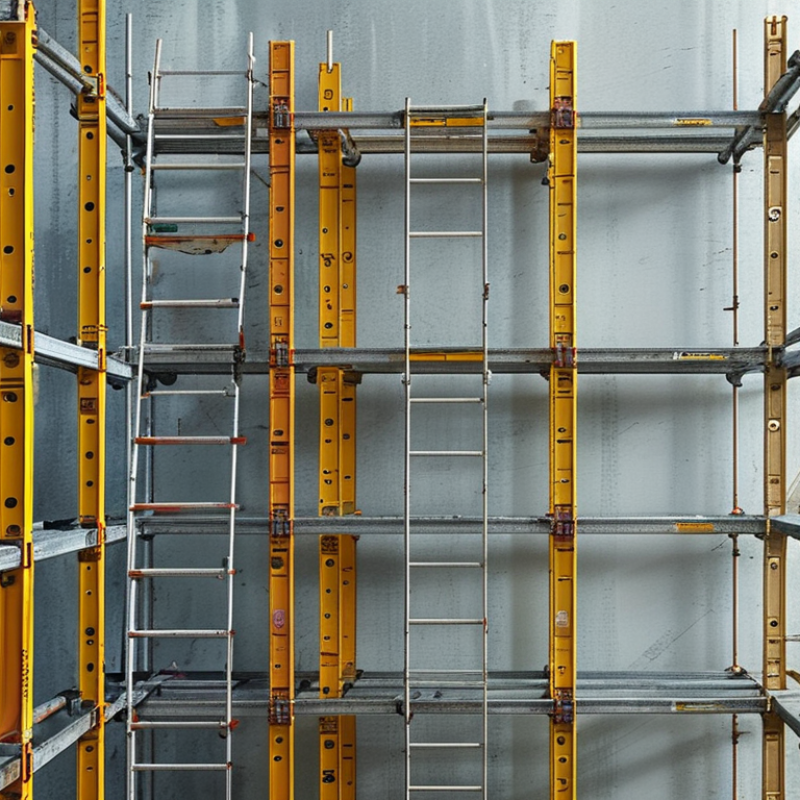
Types of Scaffolding Ladders and Their Uses
When selecting a scaffolding ladder, understanding the types available is crucial. Different projects require different ladder designs. This ensures safety and efficiency on the job site.
One common type is the extension ladder. It's ideal for reaching high places, like rooftops. They often come in various lengths, allowing for versatility. You will find them useful in construction and painting tasks.
A-frame ladders are another option. They are self-supporting and perfect for indoor work. You can easily maneuver them in tight spaces. However, they have a limited height reach.
Trestle ladders offer additional support. These ladders are great for spanning long distances. They are commonly used in stages and platforms. While effective, ensure proper setup to avoid accidents.
Folding ladders are compact and easy to store. They shine in light-duty tasks, like hanging pictures. Still, they may feel unstable for heavier applications. Always assess your project needs carefully. Finding the right ladder can make all the difference in safety and performance.
Key Factors to Consider When Choosing a Scaffolding Ladder
Choosing the right scaffolding ladder involves key factors that ensure safety and functionality. First, consider the ladder's height. It should reach your work area without excessive stretching or overreaching. A survey by OSHA found that falls from ladders account for 43% of ladder-related injuries. Therefore, selecting the correct height minimizes risk.
Another critical factor is the material. Aluminum ladders are lightweight and rust-resistant, making them optimal for various conditions. In contrast, fiberglass ladders offer excellent insulation against electrical hazards, a vital feature for electrical work. The National Institute for Occupational Safety and Health emphasizes the importance of material choice to prevent accidents.
Weight capacity is also essential. Most ladders have a duty rating that indicates the maximum load they can safely support. It is often recommended to choose a ladder that supports at least 25% more than the total weight of the user and equipment. Caution is needed; many users overlook this aspect, risking failure. A ladder that is unsuitable for the load can lead to severe injuries. Always verify these ratings during selection.
Safety Features to Look for in Scaffolding Ladders
When selecting a scaffolding ladder, safety should be your top priority. Look for ladders that feature a sturdy build. Materials like aluminum and steel offer durability. Ensure the ladder has a high weight capacity. This is crucial to prevent accidents. Stability is equally important. Choose a ladder with wide base supports. This helps prevent tipping, especially on uneven surfaces.
In addition to stability, inspect the ladder's rungs. They should be slip-resistant and spaced appropriately. Uneven spacing can cause trips. Consider the height of the ladder as well. It should reach your work area without compromising your balance. Safety locks or latches are essential features. They keep the ladder secured while in use.
Don’t overlook the importance of maintenance and inspection. Regular checks can identify wear and tear. If any parts look damaged, replace them promptly. Sometimes, the best choice isn't the highest-rated product. Think about your unique needs and environment. Balance is key; reliability should always come first.
Safety Features in Scaffolding Ladders
Material Options for Scaffolding Ladders: Pros and Cons
Choosing the right material for scaffolding ladders is crucial. Each option has its pros and cons, impacting safety and efficiency. Aluminum ladders are lightweight and easy to maneuver. According to the Occupational Safety and Health Administration (OSHA), aluminum ladders can bear up to 300 pounds. This makes them ideal for versatile construction projects. However, they can dent easily and may not withstand extreme conditions.
Steel ladders, on the other hand, offer superior durability. They can handle heavy loads and are resistant to damage. A study from the American National Standards Institute (ANSI) shows that steel scaffolding can last up to 10 years with proper maintenance. Yet, they are significantly heavier and may pose mobility issues.
Fiberglass ladders combine the best of both worlds. They are non-conductive, making them safe for electrical work. However, fiberglass can be more expensive, potentially leading some to overlook this option. It’s important to weigh these factors against your specific needs and the working environment. Each material has advantages and potential drawbacks that require careful reflection.
Budget Considerations for Purchasing Scaffolding Ladders
When considering scaffolding ladders, budget is a significant factor. The upfront cost can vary widely. According to industry reports, quality ladders range from $100 to $800 based on materials and features. For occasional use, a lower-priced option may suffice. However, frequent users may need a more durable ladder, even if it costs more initially.
It's essential to weigh performance against price. Cheap ladders may save money but can pose safety risks. A report from the Occupational Safety and Health Administration (OSHA) states that improper ladder use leads to thousands of injuries annually. Investing in safety and reliability is crucial. Higher-priced alternatives often come with better materials and improved safety features.
Think about maintenance costs as well. Some ladders require more upkeep and may cost more over time. Carefully assess your needs against your budget. A high initial investment might save you in the long run if it prevents accidents or injuries at the work site. Analyze various options. Consider your specific requirements, and don't shy away from seeking expert advice. Balancing cost and safety can help make the best choice.



 Find Your Solutions ▶