
Why Choose a Packing Machine for Your Business Needs?
In today's competitive market, businesses face challenges daily. Finding efficient solutions is essential for growth. A Packing Machine can streamline operations and enhance productivity.
Using a Packing Machine simplifies the packaging process. It reduces labor costs and minimizes error rates, but it doesn't come without its challenges. Investing in technology requires careful consideration and planning.
Choosing the right Packing Machine can impact your bottom line. Businesses must evaluate their specific needs and budget. It's not just about speed and efficiency; reliability is crucial. The right machine can yield significant benefits, but businesses should remain cautious. Consider potential maintenance issues and the need for operator training.
Benefits of Using Packing Machines in Business Operations
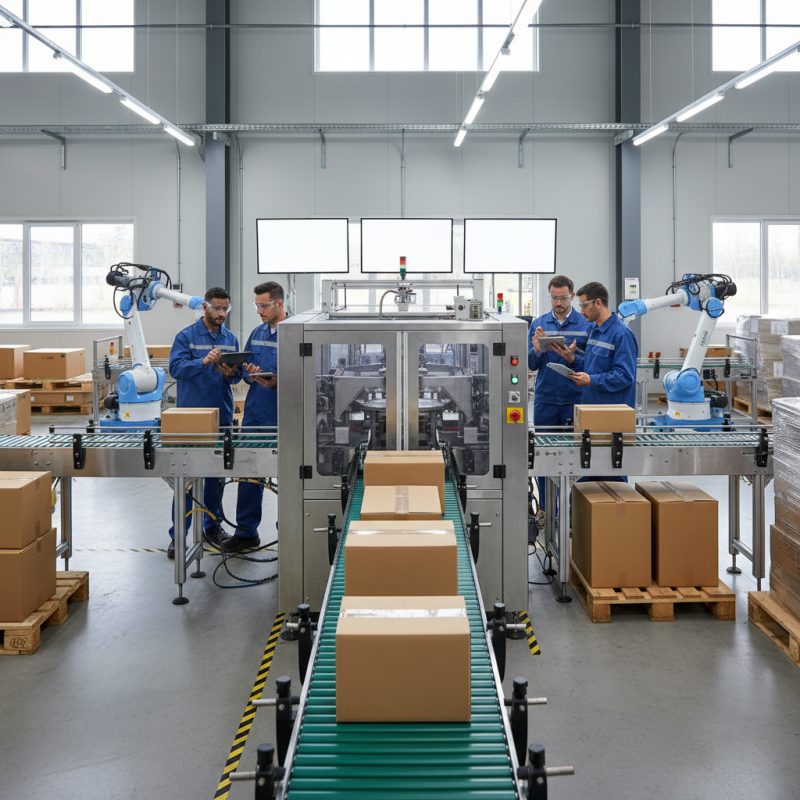
Packing machines can significantly enhance business operations. They improve efficiency by reducing the time needed for packing products. This efficiency leads to faster shipping times, which can delight customers. Additionally, packing machines ensure consistency in packaging, reducing errors that occur with manual packing.
Tips: Always assess the size and type of products before investing in a machine. Choosing the wrong machine can lead to waste and extra costs. Regular maintenance of packing machines is crucial. Neglecting this can cause unexpected breakdowns, halting your production line.
Packing machines also help in cost control. They minimize the need for a large workforce, which can save on labor costs. However, businesses must consider the upfront investment. While the long-term benefits are clear, the initial costs can be daunting. Reflecting on your production volume might help in deciding whether the investment is worthwhile.

Types of Packing Machines Available for Different Industries
Packing machines serve various industries, each with unique needs. In food processing, for instance, machines ensure hygiene and preserve freshness. They can handle liquids, solids, and even delicate items. It’s crucial to choose the right type to prevent spoilage and maintain quality.
In the pharmaceutical sector, precision is vital. Packing machines help in accurately dosing medications. They must comply with strict regulations. Finding the right machine can be a challenge, but it greatly impacts safety and efficiency. The investment may seem high, yet the long-term benefits could outweigh initial costs.
For e-commerce, automated packing solutions streamline order fulfillment. They can greatly reduce manual labor. However, businesses often struggle with volume fluctuations. Adjusting machine settings can be time-consuming. It's a process that requires continuous improvement and adaptation to be effective.
Factors to Consider When Choosing a Packing Machine
Choosing the right packing machine can significantly impact your business efficiency. There are several factors to weigh in during this process. First, consider the type of product being packed. Different products require different packing methods. For instance, liquids need a machine designed for liquid filling, while powders might need a volumetric machine.
Next, examine the machine's speed and output. Assess your production rate needs. It's vital that your equipment can keep up with demand. However, higher speed may also lead to more frequent malfunctions. This could cause delays. Durability is another critical factor. Machines should withstand heavy usage. Look for reliable construction materials that ensure long-term performance.
Lastly, pricing plays a crucial role. While it’s tempting to choose cheaper options, they may lack essential features or longevity. An initial low price could lead to higher costs later on. Balancing cost with features requires careful consideration. Each aspect should be assessed holistically, aligning with your specific business goals and values.
Cost-effectiveness and ROI of Implementing Packing Machines
The adoption of packing machines can greatly enhance your business's efficiency. According to a recent industry report, businesses that implemented packing solutions saw a 30% reduction in labor costs. This statistic highlights the immediate financial benefits. However, not all packing machines yield the same ROI. The selection process requires careful consideration of your specific needs.
By investing in automated packing machines, companies often report a significant boost in productivity. Many operations have noted a 50% increase in output when using these machines. This is compelling data, but businesses must remember to analyze ongoing maintenance costs. These machines, while efficient, require regular upkeep which can sometimes diminish their overall cost-effectiveness.
It's important to assess the long-term value. For example, the initial investment may seem steep, yet over time, the savings from reduced labor and increased speed can be substantial. Companies must weigh potential gains against operational challenges. Investing in subpar machines can lead to downtime and repair issues, affecting overall profitability. Understanding these aspects is vital for making an informed decision.
Why Choose a Packing Machine for Your Business Needs? - Cost-effectiveness and ROI of Implementing Packing Machines
| Feature | Manual Process | Packing Machine |
|---|---|---|
| Labor Costs | $50,000/year | $20,000/year |
| Speed (units/hour) | 100 | 500 |
| Error Rate (%) | 5% | 1% |
| Maintenance Cost/year | $2,000 | $1,000 |
| Initial Investment | N/A | $30,000 |
| ROI (1 Year) | 7% | 25% |
Future Trends in Packing Technology for Businesses
The future of packing technology holds immense promise for businesses. Innovations like automated packing systems and smart packaging are gaining traction. According to a 2023 report by Research and Markets, the global packing machine market is projected to reach $45 billion by 2027. This reflects a compound annual growth rate of over 5% from 2021. Such growth indicates a shift towards efficiency and sustainability in packing.
As businesses strive to meet customer demands, many are implementing cutting-edge technology. For instance, data analytics helps optimize packing processes. Intelligent systems can reduce waste and improve accuracy. This transition isn't without challenges. Some companies still struggle with integrating new technologies into existing workflows. Training staff to operate advanced equipment becomes another hurdle. However, these difficulties highlight the need for ongoing innovation.
Sustainability is another critical trend. The increased focus on eco-friendly packing materials is reshaping the industry. A survey from Packaging World revealed that 78% of consumers prefer brands using sustainable practices. This statistic shows a shift in consumer behavior affecting packing choices. Companies must adapt quickly or risk losing market share.
Article Source:
NORTH EASTON MACHINE • 218 Elm Street • North Easton, MA 02356 • 508-238-6219