
How to Choose the Right VTOL Fixed-Wing Drone for Your Needs?
Choosing the right VTOL Fixed-Wing drone can be a daunting task. Various factors impact your decision, including performance, payload capacity, and ease of use. Understanding these elements can significantly influence your drone's efficiency and longevity.
VTOL Fixed-Wing drones combine the benefits of vertical take-off and landing with fixed-wing flight efficiency. Their versatility makes them suitable for various applications, from agriculture to surveying. However, not all models are created equal. Performance specifications and features vary widely among manufacturers. Knowing what you need is crucial before making a purchase.
Consider what you aim to achieve. How much weight do you need to carry? What distance will you cover? These questions guide your choice effectively. Some drones excel in long endurance flights, while others may be better for short, intense missions. Identifying your specific needs will ensure you select a model that meets your requirements.
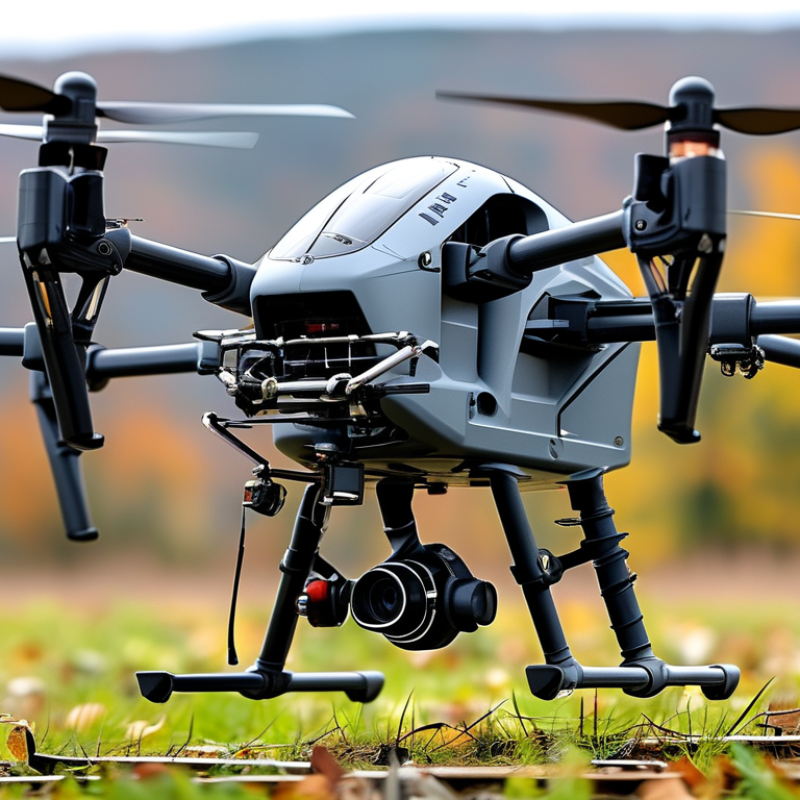
Understanding VTOL Fixed-Wing Drones: Key Concepts and Benefits
VTOL fixed-wing drones are gaining traction in various industries. Understanding the core concepts is essential for selecting the best drone for your specific needs. These drones combine the vertical takeoff capabilities of multirotors with the efficiency of fixed-wing aircraft. This unique design allows for longer flight times and extended range, making them ideal for tasks like surveying and mapping.
According to a recent market report, the demand for VTOL drones is expected to grow by over 15% annually through 2025. This growth underscores their significance in sectors such as agriculture, logistics, and environmental monitoring. Efficient payload management is another critical component. Assessing the drone's capacity for cargo and equipment can affect project outcomes significantly.
Tip: Always evaluate your specific needs before making a decision. Consider factors like flight distance, payload weight, and environmental conditions. Ensure the drone's specifications align with intended applications.
Another consideration is the software integration available. Many VTOL drones come equipped with advanced navigation systems. However, the effectiveness of these systems can vary. Researching user feedback on navigation reliability is vital.
Tip: Don’t overlook after-sales support and user community resources. Having a support structure can improve your operational resilience.

Factors to Consider When Choosing a VTOL Fixed-Wing Drone
Choosing the right VTOL fixed-wing drone can be overwhelming. There are several factors that shape your decision. One key consideration is the intended use of the drone. Will it be for mapping, surveying, or perhaps agricultural monitoring? Each application requires different specifications and features.
Payload capacity is another critical aspect. Some drones can carry heavy equipment, while others are designed for lighter loads. Think about what attachments or cameras you need. Also, consider flight time. Longer durations are essential for expansive areas. However, higher capacity often comes with trade-offs, such as weight and complexity.
Moreover, don't overlook regulatory compliance. Certain areas have specific rules governing drone use. Familiarize yourself with local regulations to avoid potential issues. It's easy to underestimate this, but the consequences can be significant. Lastly, consider your level of expertise. Advanced models may require more skill to operate. Starting with a user-friendly design might be beneficial.
VTOL Fixed-Wing Drone Selection Factors
Comparing VTOL and Traditional Fixed-Wing Drone Technologies
When considering VTOL (Vertical Take-Off and Landing) fixed-wing drones, understanding their technology compared to traditional fixed-wing options is crucial. VTOL drones excel in versatility. They take off and land vertically, making them suitable for confined spaces. Traditional fixed-wing drones need runways, limiting their operational scenarios. This can be a factor in choosing the right model.
However, VTOL drones can be heavier due to their design. It’s vital to weigh their maneuverability against payload capacity. Checking flight times is essential, as some VTOLs may have shorter durations compared to their traditional counterparts. For those needing long-distance travel, traditional fixed-wings might be more beneficial.
Tips: Test models in real conditions. Simulations can't replace hands-on experience. Assess your specific needs, like payload requirements and terrain. Investing time in research can lead to better decisions. What works for one project may not fit another. Be open to adapting your choice as you gather insights on performance and reliability.
Assessing Drone Performance Specifications and Capabilities
When selecting a VTOL fixed-wing drone, analyzing performance specifications is essential. One key element is flight time. Many models offer around 30-90 minutes of operational time. A drone with a longer flight duration proves beneficial for extensive coverage.
Another vital specification is payload capacity. Typical fixed-wing drones can carry payloads from 2 to 15 kilograms. A heavier payload allows for advanced imaging systems. However, exceeding capacity may compromise flight stability. Thus, users need to strike a balance between necessary sensors and overall weight.
Range is another consideration. Many drones operate effectively within a 20 kilometer radius. This distance can limit applications in remote areas. Drone users must assess their project requirements, including the need for real-time data relay. Failure to account for these aspects could lead to operational challenges. Maximum speed is crucial as well, with most drones capable of reaching speeds between 50 to 150 km/h. A faster drone mitigates time constraints but may automate some safety issues. Evaluating these specifications aligns drone capabilities with user needs and project goals.
How to Choose the Right VTOL Fixed-Wing Drone for Your Needs?
| Specification | Description | Performance |
|---|---|---|
| Flight Time | Duration of flight on a single charge | 60-120 minutes |
| Payload Capacity | Maximum weight the drone can carry | 2-15 kg |
| Range | Maximum distance the drone can travel | 10-100 km |
| Speed | Maximum horizontal speed | 20-100 km/h |
| Camera Quality | Resolution and type of camera onboard | 4K, 1080p, thermal |
| Autonomy | Level of self-autonomy in operations | Fully autonomous, semi-autonomous |
| GPS Accuracy | Precision of positioning technology | ±5 cm to ±50 cm |
Evaluating Cost, Maintenance, and Support for VTOL Drones
When selecting a VTOL fixed-wing drone, evaluating costs, maintenance, and support is vital. The initial purchase price is only one part of the equation. Ongoing expenses, parts replacement, and repair costs can add up. It's essential to factor in these recurring costs when budgeting. Some drones may appear affordable at first but can become costly when you consider maintenance.
Tip: Always ask about warranty options. A good warranty can save you money in the long run. Look for drones that offer support and easy access to replacement parts. It can make maintenance far less challenging.
Additionally, consider the support services offered. Drones require regular updates and technical support. A manufacturer with robust customer service will help resolve issues more quickly. Evaluate reviews and testimonials to get a sense of their reputation.
Tip: Don’t overlook user forums and communities. They often provide insights into common issues and how to resolve them. Engaging with other drone users can lead to practical advice and tips for long-term care. Reflect on the experiences shared by others; they can guide you in making informed choices.
Article Source:
NORTH EASTON MACHINE • 218 Elm Street • North Easton, MA 02356 • 508-238-6219