What Is the Best Socks Printer for Your Business?
Choosing the best Socks Printer can shape your product quality, production speed, and customer experience. It is not simply a machine purchase. The right choice depends on your sock materials, design volume, budget, and available workspace.
A small custom shop may value compact equipment and simple operation. A larger manufacturer may need continuous printing, precise color control, and dependable drying performance. Cotton, polyester, and blended fabrics can react differently to ink. A design that looks sharp on a sample sock may appear dull after washing. Testing matters.
Look closely at print resolution, production speed, ink compatibility, maintenance requirements, and software support. Ask suppliers for physical samples, not only attractive catalog images. Examine fine lettering, heel placement, stretch recovery, and color consistency. Check whether operators can clean printheads without specialized training. Reliable technical support can prevent expensive production delays.
There is no universal winner. A premium Socks Printer may offer stronger output but exceed a growing business’s needs. A cheaper model may seem practical, yet frequent maintenance could reduce its real value. Some decisions will be imperfect. Early tests may expose unexpected fabric limitations. That is useful information, not failure.
A careful comparison should include purchase cost, ink consumption, labor time, warranty coverage, and expected order volume. Speaking with experienced users can reveal problems that specifications hide. The best machine is the one that performs consistently in your actual workflow, not merely on a showroom floor.
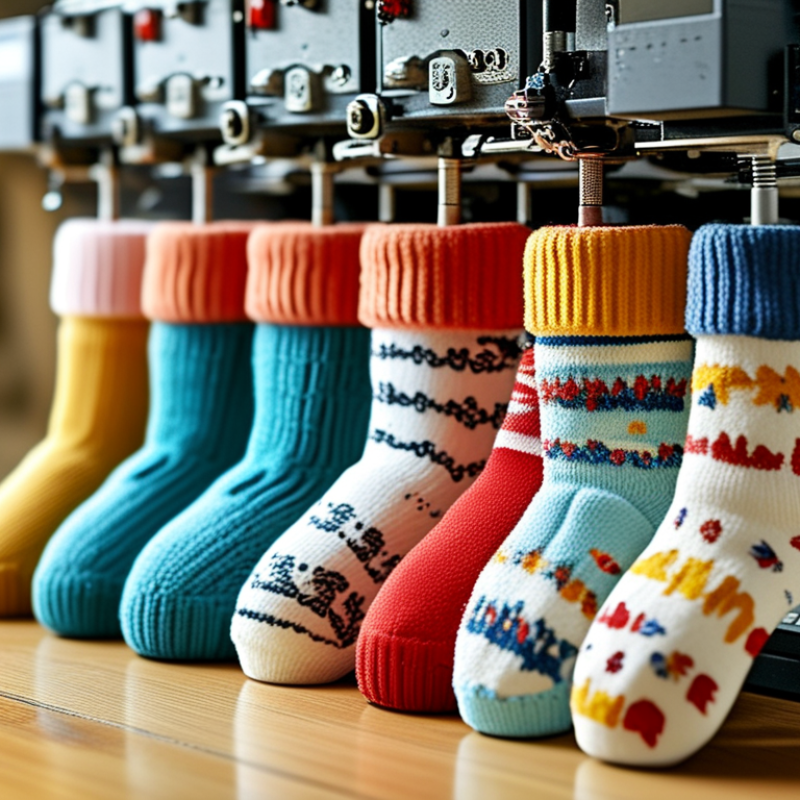
What Makes a Socks Printer Suitable for Business Use?
A socks printer suits business use when it delivers consistent quality across long production runs. In practice, operators need sharp patterns, even color, and reliable placement around the heel and toe. A sample may look excellent. Repeated orders reveal the truth. Test at least several dozen pairs before making a purchase decision.
Production speed also matters, but speed alone can mislead. A suitable machine should handle different sock sizes, fabric blends, and stretch levels without frequent adjustments. Clear software reduces training time and helps staff repeat approved designs accurately. Automatic alignment is valuable because small shifts become obvious on finished socks. Easy cleaning, accessible printheads, and simple maintenance can prevent costly downtime.
Operating costs deserve careful attention. Calculate ink use, energy consumption, labor, maintenance, and rejected pairs together. Ask for documented performance data, not only attractive demonstrations. Technical support, spare-part availability, and operator training influence reliability over several years. Safety features and compliant inks should match local workplace requirements. I would also inspect the machine personally, since specifications cannot show every practical weakness. Some printers promise impressive output but require more manual correction than expected. That is not necessarily a deal-breaker, but the business plan must allow for it. During evaluation, record setup time, cleaning time, print accuracy, and waste. These details offer stronger evidence than a sales brochure.
Which Socks Printing Technologies Are Available?
Choosing a socks printer starts with the fabric, not the machine.
Screen printing suits large runs with simple designs, but setup screens add time and alignment risks. Sublimation printing works well on polyester socks. It produces bright, full-coverage graphics and soft color transitions. However, it performs poorly on dark or high-cotton fabrics. Direct-to-textile inkjet printing offers variable designs, short runs, and personalized orders without screens. Pigment ink can support broader fiber choices, though wash durability still needs testing.
Industry data supports this shift toward digital production. Grand View Research estimates the global digital textile printing market reached about US$2.7 billion in 2023, with strong growth expected through 2030. Smithers also forecasts continued expansion in digitally printed textile volumes, driven by customization and shorter production cycles. These figures do not guarantee profit. A printer still needs stable ink adhesion, accurate sock rotation, and controlled curing. Small errors show quickly around the heel.
Knitted-in designs remain useful for premium, durable patterns.
They add no surface ink, but changing artwork can require new knitting files and slower sampling. For a growing business, direct-to-sock inkjet technology may offer the most flexible starting point. I would test cotton, polyester, stretch zones, and twenty wash cycles before buying. That step is easy to skip. It should not be. A few vivid samples can hide uneven coverage, stiff fabric, or fading after repeated washing.
How to Compare Socks Printers by Quality, Speed, and Cost
What Is the Best Socks Printer for Your Business?
When comparing socks printers, quality should be tested on real products, not only brochures. Examine color accuracy, edge sharpness, and print adhesion after stretching. A reliable printer should keep small logos clear across different sock sizes. Ask for sample runs using cotton, polyester, and blended fabrics. Small details matter. Check whether white ink stays even around ribs, seams, and curved areas.
Speed also needs practical testing. Run several batches and record setup time, printing time, and cleaning intervals. A machine with high advertised speed may slow down during frequent color changes. Ask how many pairs it can produce consistently per hour. Consistency matters more than one impressive test. I once underestimated loading time, and the daily output looked much lower than expected. That mistake changed my evaluation method.
Cost includes more than the purchase price. Calculate ink usage, replacement parts, software fees, electricity, labor, and scheduled maintenance. Compare the cost per finished pair over at least one year. A cheaper printer may require more manual adjustments and create more rejected socks. Request maintenance records and warranty details before deciding. Speak with current operators, not only sales representatives. Their comments often reveal noise, cleaning difficulty, and unexpected downtime. Leave room for error.
What Is the Best Socks Printer for Your Business?
Compare representative commercial printer tiers by print resolution, production speed, and consumable cost. Higher resolution and throughput can improve output quality and capacity, while lower consumable cost improves operating efficiency.
Benchmark values represent typical commercial operating ranges: resolution is shown in DPI, speed in finished pairs per hour, and consumable cost excludes labor, maintenance, and equipment depreciation. Actual results vary by sock material, design coverage, curing process, and workflow.
What Features Matter for Different Business Models?
What Is the Best Socks Printer for Your Business?
What Features Matter for Different Business Models?
The best socks printer depends on your order pattern, not its advertised speed. Grand View Research valued the global digital textile printing market at USD 2.72 billion in 2022. It forecasts a 12.1% annual growth rate from 2023 to 2030. This growth reflects demand for short runs, personalization, and faster sampling. A custom-order shop should prioritize quick setup, reliable color control, and simple software. White ink handling also matters when printing on dark socks. Small mistakes become expensive during peak seasons.
Wholesale producers need different features. Look for stable throughput, automated maintenance, and consistent registration across hundreds of pairs. A large media capacity can reduce interruptions. However, maximum speed can be misleading. Actual output depends on loading, curing, cleaning, and rejected items. A printer producing fewer usable pairs may cost more per order. Track completed pairs per hour, not brochure speed. Keep a sample log.
Sports teams and event suppliers often need names, numbers, and repeated designs. Variable-data tools can reduce manual file preparation. McKinsey’s 2021 personalization report found that 71% of consumers expect personalized interactions. It also found that 76% become frustrated when personalization is missing. For premium studios, finer resolution, softer ink feel, and accurate color profiling deserve priority. Energy use and maintenance access should influence the purchase too. I would not ignore training support. That is an imperfect decision, perhaps, but downtime often starts with small operational errors.
How to Choose the Best Socks Printer for Your Production Needs
What Is the Best Socks Printer for Your Business?
Choosing the best socks printer starts with your production requirements, not the machine’s advertised speed. Measure your weekly order volume, artwork complexity, sock sizes, and fabric types. A printer designed for polyester may perform poorly on cotton-rich materials. Ask for printed samples using your actual socks. Small differences in stretch can affect image alignment.
Check the printer’s resolution, color consistency, curing system, and maximum printable area. For busy production floors, automatic sock loading can reduce labor and positioning errors. However, automation may increase maintenance demands. Inspect the printhead access, cleaning process, ink storage, and software controls before purchasing. These details matter during a long shift. They are easy to overlook.
Production testing should include washing, stretching, rubbing, and repeated printing. Record ink use, setup time, rejected pieces, and daily output. A lower purchase price can become expensive if curing is uneven or downtime is frequent. I would not trust one impressive sample. It proves too little. Speak with technicians and operators who use similar equipment. Their practical feedback often reveals problems hidden in sales materials. Leave room for mistakes in your budget. Training, spare parts, ventilation, and regular maintenance all affect the real cost. The best choice is the printer that fits your materials, staff skills, quality targets, and realistic workload.


 Find Your Solutions ▶