
9 Best Rubber Mixing Mills for Efficient Production?

When it comes to rubber production, the right equipment matters. The selection of a mixing mill can significantly impact efficiency and product quality. This article explores the "9 Rubber Mixing Mills" that stand out for their performance. Each mill offers unique features that cater to various production needs.

Choosing the right mill is not just about brand names. It involves careful consideration of factors like capacity, durability, and maintenance. Some mills might excel in one aspect but may lack in another. This balance is crucial for maximizing output while minimizing costs.

Investing in a rubber mixing mill demands reflection on your production goals. The right choice can enhance your workflow but the wrong one could lead to setbacks. Let's dive into the details of these top 9 Rubber Mixing Mills, highlighting their strengths and potential drawbacks that deserve consideration.
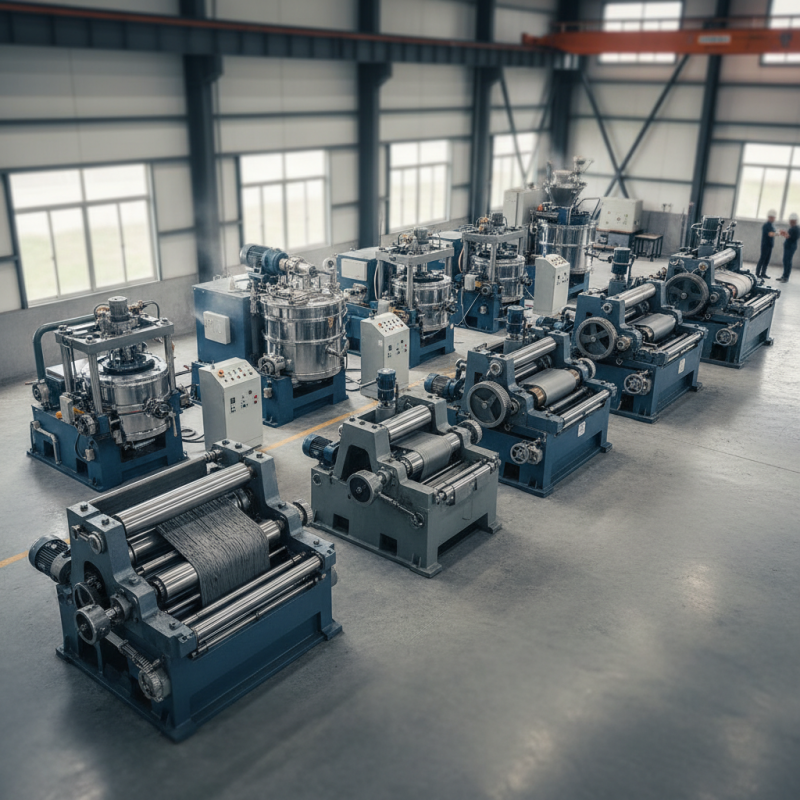
9 Best Rubber Mixing Mills for Efficient Production?

Overview of Rubber Mixing Mills and Their Importance in Production

Rubber mixing mills play a crucial role in rubber production. These machines ensure the proper blending of various rubber compounds. The effectiveness of mixing can impact the final product's quality. This is why choosing the right mill matters.

The mixing process often involves heat and pressure. This combination influences how well the materials integrate. Inadequate mixing can lead to weak spots in the rubber. These weak spots may reduce durability. Thus, manufacturers must carefully monitor the mixing process. Regular maintenance of the machines is essential to ensure optimal performance.

However, it is not always seamless. Operators may face challenges, like inconsistent mixtures due to human error. Sometimes, the machinery itself could malfunction. Such issues might result in production delays. Manufacturers need to consider these factors when evaluating their equipment. Adapting to the complexities of rubber mixing is vital for efficient production.

Key Features to Consider When Selecting Rubber Mixing Mills

Selecting the right rubber mixing mill is crucial for efficient production. One key feature to consider is the mill's capacity. Smaller operations may not need large models, while larger manufacturers require robust machines. Pay attention to the mixing chamber size and the overall build quality. Proper dimensions support optimal mixing, leading to consistent results.

Another important factor is the technology used in the mill. Advanced mills offer better automation and control. These enhancements can lead to improved efficiency and reduced waste. However, some users may find complex systems challenging to manage. Training is essential to maximize the technology’s potential.

User friendliness matters as well. Ease of operation can significantly influence production. Some mills have interfaces that are intuitive, while others require extensive learning. Evaluating user feedback on operation can provide valuable insights. Maintenance should not be overlooked either, as a well-maintained mill performs better. Poor upkeep can lead to issues over time. Consider these aspects carefully to make an informed choice.

Comparison of Top 9 Rubber Mixing Mills Based on Performance

When selecting a rubber mixing mill, performance is key. Different mills offer various features that can impact efficiency. Some models focus on durability, while others prioritize speed. A well-designed mill can enhance productivity, yet the wrong choice may lead to inefficiencies.

Consider the mixing process itself. Some mills are equipped with advanced technology for precise mixing. This helps ensure consistency. However, not all mills achieve this. Some operators report uneven mixtures, leading to wasted materials. It's crucial to analyze each mill's capabilities. Performance can vary greatly among different models.

User feedback is invaluable in this comparison. Many operators note that ease of maintenance is as important as mixing efficiency. A mill that is difficult to clean can hinder production. Moreover, some mills may require specialized operators, complicating training. Striking a balance between technical performance and user-friendliness is essential. Each mill's design should facilitate smooth operation while meeting production demands.

Comparison of Top 9 Rubber Mixing Mills Based on Performance

Maintenance Tips for Enhancing the Lifespan of Rubber Mixing Mills

Rubber mixing mills are essential in the production process. They blend rubber compounds, ensuring consistency and quality. However, maintenance is crucial for optimal performance and longevity. Studies indicate that regular maintenance can increase the lifespan of these mills by up to 30%. Taking a proactive approach can significantly reduce downtime and repair costs.


Daily inspections are important. Check for wear on rollers and ensure that the lubricant is at the right level. Over time, seals and gaskets can degrade. Replacing them promptly prevents larger issues. It's crucial to maintain a clean work environment. Dust and debris can lead to mechanical failures. According to industry reports, unclean equipment can short-circuit operations.


Furthermore, operator training is vital. Well-informed workers are less likely to misuse machines. Inadequate training can lead to accidents, costing companies. Implementing scheduled service checks can minimize unforeseen breakdowns. Staying ahead with preventive measures often outweighs the cost of repairs. Eventually, this fosters a safer and more efficient production environment.

Innovations in Rubber Mixing Mill Technology for Improved Efficiency

The rubber mixing industry is evolving rapidly. Innovations in mixing mill technology are at the forefront of this change. New designs focus on energy efficiency and higher output rates. According to a recent report, energy consumption in rubber mixing can be reduced by up to 25% with advanced machinery. This is significant for manufacturers looking to cut costs and increase production.

Moreover, automation is becoming increasingly common in mixing mills. Automated systems can optimize mixing parameters, ensuring consistency and quality. This technology allows for real-time monitoring and adjustments, which can improve overall efficiency. However, the transition to such systems has its challenges. Not all companies are equipped to implement these changes.

Another aspect is the materials used in mills. Companies are exploring new alloy compositions that provide greater durability and resistance to wear. Research indicates that updating materials can extend the lifespan of mixing mills. Yet, the initial investment can be daunting for small to mid-sized manufacturers. Balancing immediate costs and long-term benefits often requires deep reflection on strategic planning.

Article Source:

Certified Quality System

© North Easton Machine Company, Inc. All rights reserved. • Site: Blog
NORTH EASTON MACHINE • 218 Elm Street • North Easton, MA 02356 • 508-238-6219