What are the Best Cnc Machining Parts for 2026?
In the rapidly evolving world of manufacturing, the demand for high-quality CNC machining parts is increasing. As we approach 2026, the landscape of production technology is shifting. New materials and advanced techniques are emerging, changing the way CNC parts are designed and produced. Businesses must adapt to these changes to stay competitive.
CNC machining parts play a vital role in various industries, from aerospace to medical equipment. Precision and reliability are critical in these applications. Companies often find it challenging to keep up with the latest trends. This creates opportunities for innovation. Not all parts are designed equally; some may fall short of expectations.
As we examine what the best CNC machining parts will be in 2026, it is essential to consider both current capabilities and future needs. While some advancements seem promising, others may pose unforeseen challenges. Reflecting on these aspects can help manufacturers make informed decisions for their production processes. Embracing change while maintaining quality will be key to success in this dynamic environment.
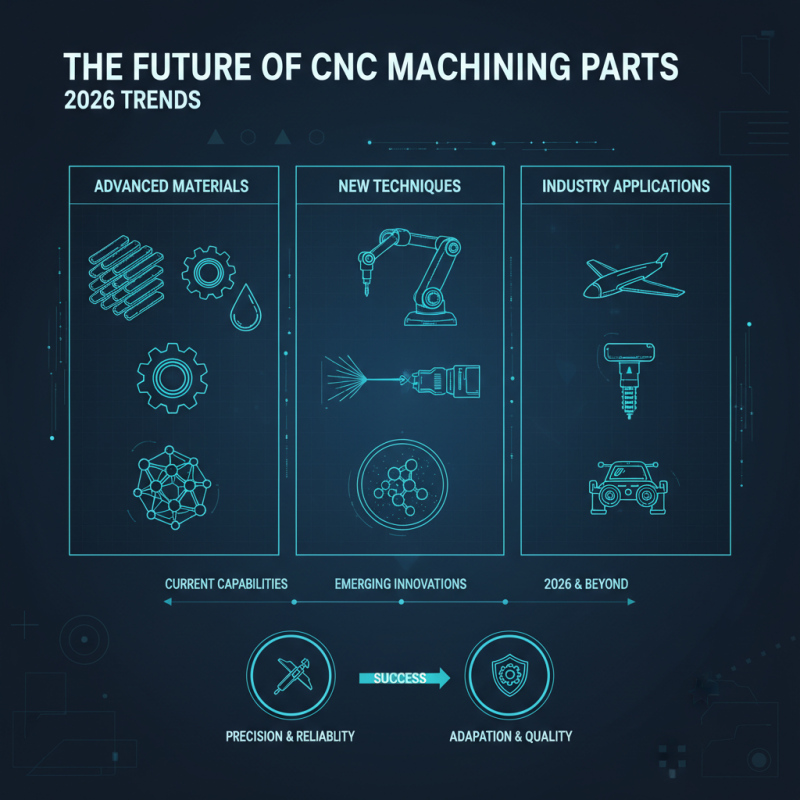
Emerging Materials for CNC Machining Parts in 2026
As we approach 2026, CNC machining will likely see a shift in the materials used for parts. Traditional metals like aluminum and steel will still be popular. However, new materials are emerging. These can greatly enhance the performance of machined components.
One promising material is titanium alloys. They are lightweight yet incredibly strong. This makes them ideal for aerospace and automotive applications. Additionally, high-performance plastics are gaining traction. They offer excellent chemical resistance and can reduce production costs. Yet, they also pose challenges in terms of wear resistance.
Another noteworthy material is carbon fiber. It combines strength with low weight. This is crucial for industries where reducing weight is vital. However, working with composites can be tricky. CNC machines must adapt to different properties compared to metals. It's a learning curve that manufacturers must embrace. Some may find the transition daunting, but it is essential for keeping pace with innovation.
Innovative Designs and Applications of CNC Machined Components
As CNC machining evolves, innovative designs emerge. In 2026, precision and customization will lead the way. Reports indicate that the CNC machining market is expected to reach $100 billion by 2026, driven by industries like automotive and aerospace. The need for lightweight and durable materials is paramount. Advanced alloys and composites will likely dominate.
Applications of CNC machined components range from medical devices to robotics. Manufacturers will explore intricate geometries to enhance functionality and efficiency. For instance, 3D-printed molds for CNC machining can reduce waste. This is a growing trend. However, integrating new technologies poses challenges. Training and adaptation to these innovations require time and resources.
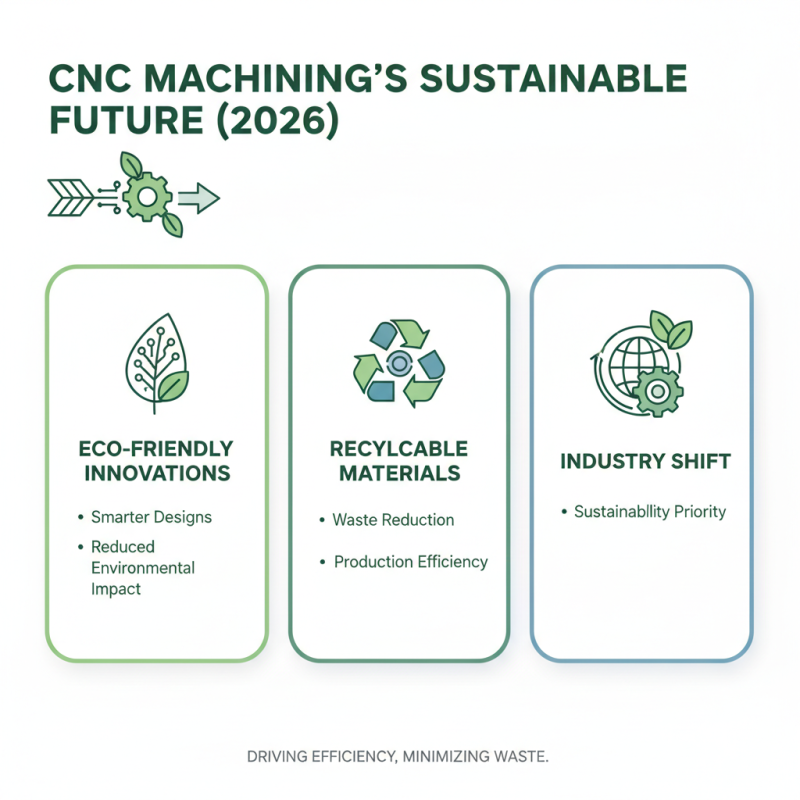
Another critical aspect is sustainability. Eco-friendly machining practices are in demand. The shift toward energy-efficient processes must occur. Many companies are still hesitant, balancing traditional methods with new designs. As the industry grows, reflecting on these practices will be essential to stay competitive and responsible. Designers and engineers must continue to innovate while considering the environmental impact of their choices.
Top Industries Utilizing CNC Machining Parts in 2026
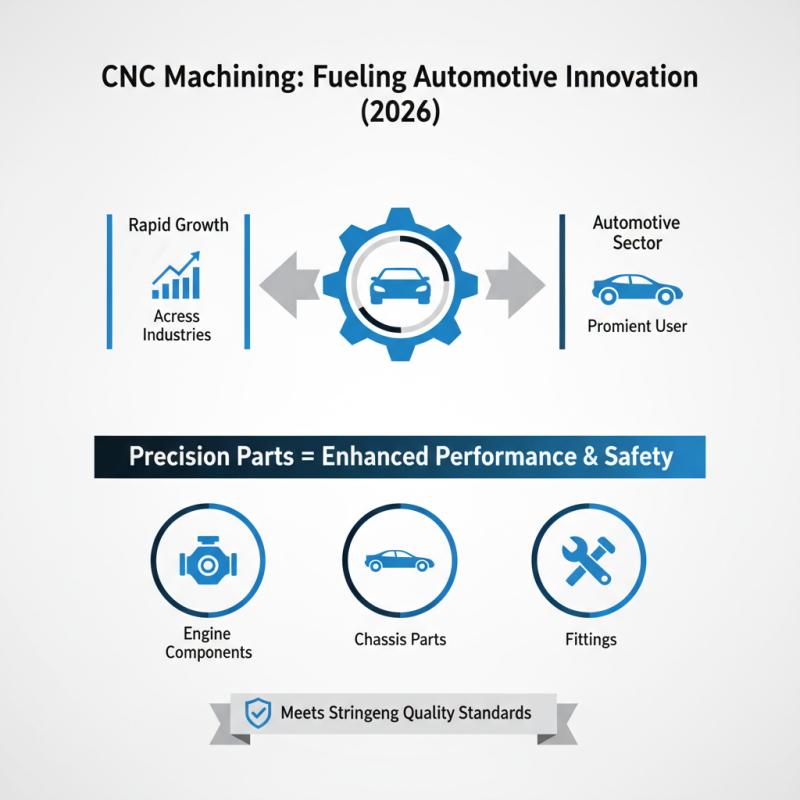
CNC machining is growing rapidly in several industries in 2026. The automotive sector is one of the prominent users. Precision parts are essential for enhanced performance and safety. Companies rely heavily on CNC parts for engine components, chassis parts, and fittings. This ensures vehicles meet stringent quality standards.
Another critical industry is aerospace. Here, precision and reliability are non-negotiable. CNC machining produces crucial components like brackets and housings. These parts must endure extreme conditions and high stress. Small errors can lead to significant issues. Thus, attention to detail is vital.
Medical devices also benefit from CNC machining. Custom parts for surgical instruments or implants can be quickly produced. This allows for innovation and rapid prototyping. However, the industry faces challenges in maintaining quality control. Continuous improvement in processes is necessary to meet evolving standards. Each sector showcases the adaptability and importance of CNC machining.
Advancements in CNC Machining Technology for Enhanced Precision
CNC machining technology is on the brink of significant advancements. Innovations are paving the way for enhanced precision and efficiency in various industries. As we look ahead to 2026, these improvements will redefine how precision parts are fabricated.
One notable trend is the development of more advanced software that integrates with CNC machines. This software enables better simulation and modeling of the machining process. Operators can visualize the outcome before actual production. However, adapting to new software can be challenging.
Tips: Embrace training programs for your team. Regular training sessions can bridge the gap between traditional methods and new technology.
There are also advancements in materials used in CNC machining. These materials now allow for lighter and stronger parts. However, experimenting with new materials requires careful consideration. Not all machines can handle them efficiently.
Tips: Always test new materials before full-scale production. This can prevent costly mistakes and waste.
Finally, automation is gaining momentum. More companies are incorporating automated systems for efficiency. However, over-reliance on automation can lead to a decline in craftsmanship. Balancing technology with skilled labor is vital.
Advancements in CNC Machining Technology for Enhanced Precision
This chart illustrates the advancements in CNC machining technology and their impact on precision for the year 2026. The data represents various technologies and their effectiveness in enhancing precision.



 Find Your Solutions ▶