Top 10 Benefits of Precision Cnc Machining for Modern Manufacturing
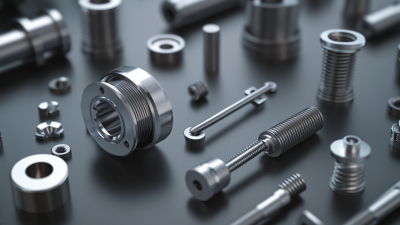
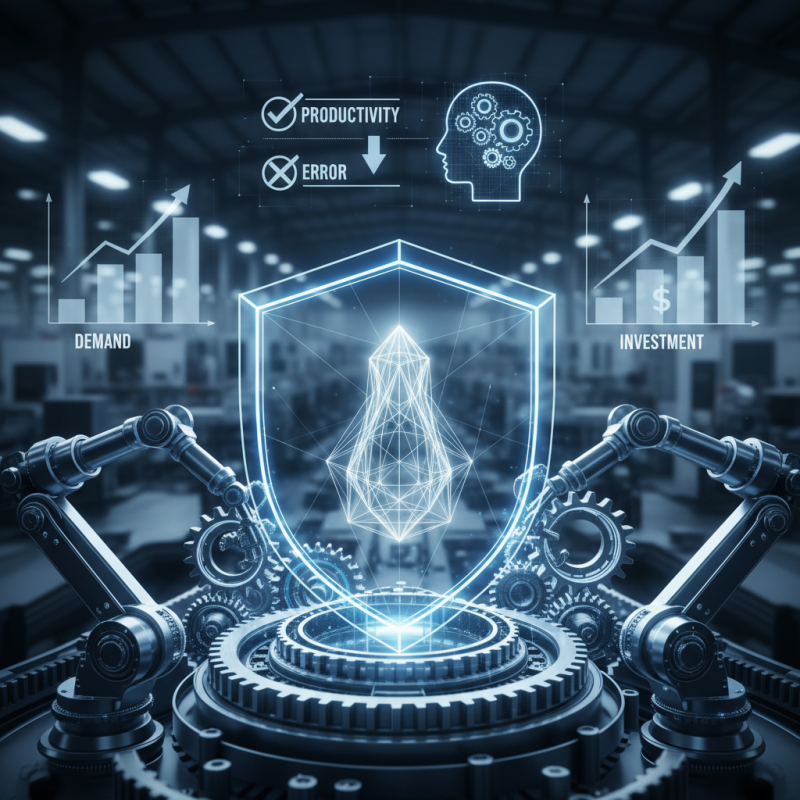
In the modern landscape of manufacturing, Precision CNC Machining stands at the forefront. This technology has revolutionized production processes across various industries. With the ability to achieve high tolerances, it enables manufacturers to produce intricate parts with remarkable accuracy. The demand for efficiency and precision has never been higher.
Precision CNC Machining not only enhances product quality but also reduces waste. It minimizes human error, which can lead to costly mistakes. Companies can rely on this method for consistent results, increasing overall productivity. It allows for quick modifications and can adapt to evolving customer needs. Each of these advantages solidifies its position as a pivotal tool in manufacturing.
However, despite its benefits, challenges exist. The initial investment in CNC machinery can be significant. Not every company may have the resources to adopt this technology immediately. Maintenance and training are also critical as they require skilled operators. These factors demand careful consideration from manufacturers looking to harness the benefits of Precision CNC Machining.
Understanding Precision CNC Machining in Modern Manufacturing
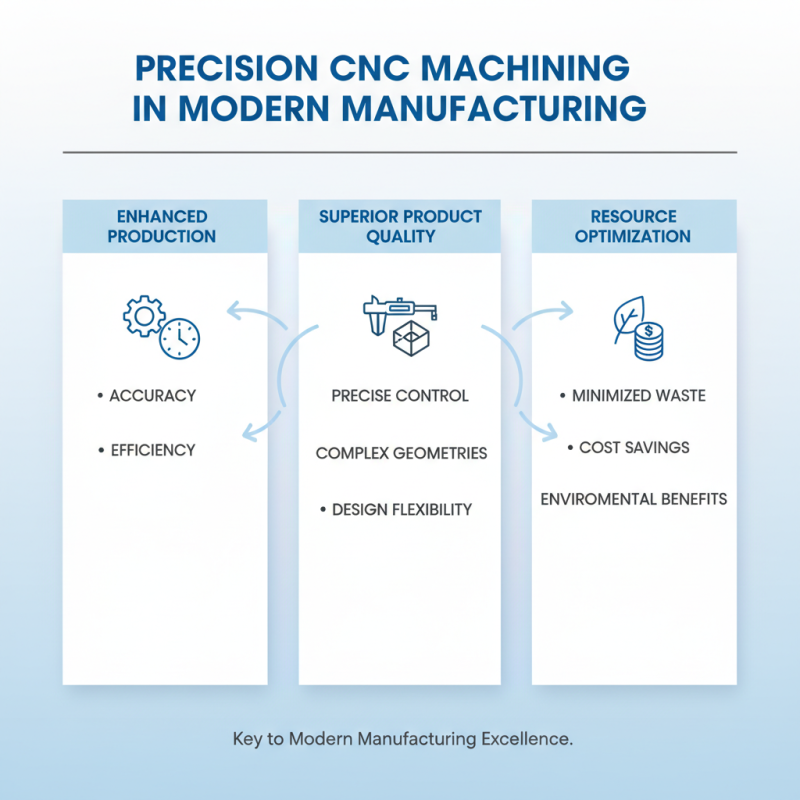
Precision CNC machining plays a pivotal role in modern manufacturing. This technology enhances accuracy and efficiency in the production process. With precise control of tools and materials, manufacturers can achieve superior quality in their products. The ability to create complex geometries allows for greater design flexibility. It also minimizes material waste, leading to cost savings and environmental benefits.
Tips: Always ensure proper calibration of CNC machines. Regular maintenance can prevent unexpected downtimes. Pay attention to tooling choices to enhance precision.
Manufacturers often struggle with balancing speed and quality. This is where precision CNC machining shines. By optimizing production cycles, it allows for higher output without compromising on the final product's integrity. However, achieving perfect precision can be challenging due to various factors such as tool wear and machine limitations. Continuous training and feedback in this field are crucial for improvement.
Tips: Track production metrics to identify areas for refinement. Don’t hesitate to invest in advanced software for better control. Engaging in a thorough review process can lead to significant improvements.
Enhanced Accuracy and Consistency in Part Production
Precision CNC machining stands out for its ability to enhance the accuracy and consistency of part production. This technology utilizes advanced computer-controlled machinery to craft intricate designs with remarkable precision. Each component is produced to exacting specifications, reducing the risk of errors that could lead to costly defects. In industries like aerospace and automotive, where tolerances are critical, this level of accuracy is vital.
To achieve the best results, consider these tips. Regularly calibrate your CNC machines to maintain their precision. Even minor calibration errors can result in significant deviations over time. Ensure that your tools are sharp and well-maintained for optimal performance, as dull tools can compromise part quality. Also, invest in training for your operators; skilled personnel are essential in maximizing the effectiveness of CNC technology.
While precision CNC machining is powerful, it's not faultless. Over-reliance on automation can sometimes lead to overlooked issues. For instance, operators may miss small discrepancies during the production process if they are not vigilant. Balancing technology with human oversight is crucial for maintaining quality and consistency. By reflecting on both the strengths and limitations of precision machining, manufacturers can create superior products.
Cost Efficiency through Reduced Material Waste
Precision CNC machining fundamentally transforms modern manufacturing, particularly in terms of cost efficiency. One key advantage is the significant reduction in material waste. Traditional machining processes often result in high scrap rates. With precise CNC techniques, manufacturers can optimize material usage. This lowers costs and promotes sustainability, a vital consideration today.
In precision CNC machining, every cut is calculated. This precise control ensures minimal surplus material remains. Even small reductions in waste can lead to substantial savings over time. Yet, implementing such technology requires upfront investment and training. Not all facilities can adapt quickly. Some may struggle with the technical aspects of CNC programming.
Additionally, while precision CNC machining increases efficiency, it can lead to dependency on software and automation. This may raise concerns about workforce adaptability. Companies should balance high-tech solutions with skilled labor. Continuous learning and training are essential. Adopting a holistic approach ensures that cost efficiency doesn't come at the expense of human expertise.
Accelerated Production Times with Advanced Technologies
Precision CNC machining has transformed modern manufacturing. One significant advantage is accelerated production times. With the incorporation of advanced technologies, manufacturers can achieve faster turnaround without sacrificing quality. Automated processes reduce the time required for setup and adjustments. As a result, production lines run more smoothly.
One tip for improving production efficiency is to focus on optimizing machine settings. Adjusting feed rates and tool paths can lead to significant reductions in cycle times. Consider investing in training for your team. Well-trained staff can quickly adapt to changing demands and technologies.
Another important aspect is maintaining equipment. Regular maintenance prevents breakdowns. Downtime can be costly, undermining efficiency gains. A proactive approach to equipment care ensures that machines operate at peak performance. Consider establishing a regular check-up schedule for your CNC machines to detect any potential issues early on.
Top 10 Benefits of Precision CNC Machining for Modern Manufacturing
| Benefit | Description | Impact on Production |
|---|---|---|
| Increased Accuracy | Precision CNC machining provides high tolerances, ensuring parts fit perfectly. | Reduction of rework and scrap rates. |
| Faster Production Times | Advanced technology allows for quicker setups and manufacturing cycles. | Improved turnaround time for projects. |
| Flexibility in Design | Easily adapts to changes in design without significant downtime. | Cost-effective for prototype development. |
| Consistency in Quality | Maintains high quality across multiple production runs. | Reliable output leads to customer satisfaction. |
| Cost Effectiveness | Reduced waste and optimized resource usage lowers overall costs. | Higher profit margins on products. |
| Automation | Integration with automated systems enhances productivity. | Helps keep labor costs low. |
| Material Versatility | Compatible with various materials, from metals to plastics. | Enables a wide range of applications. |
| Improved Worker Safety | Reduced manual handling minimizes risk of injuries. | Creates a safer working environment. |
| Enhanced Innovation | Allows companies to experiment with new designs efficiently. | Keeps companies competitive in the market. |
| Sustainability | More efficient processes reduce environmental impact. | Supports corporate sustainability goals. |
Flexibility in Manufacturing with Customization Capabilities
Precision CNC machining enables exceptional flexibility in manufacturing through its customization capabilities. Manufacturers can create parts tailored to specific requirements. According to a report by the National Institute of Standards and Technology (NIST), 88% of companies benefit from reduced lead times when using CNC technology. This efficiency allows for quicker responses to market demands.
Customization means that designs are not one-size-fits-all. For instance, aerospace components require high precision and unique specifications. Studies indicate that 75% of manufacturers leverage CNC technology to produce specialized parts. However, reliance on customized solutions brings challenges. Variability in production can lead to increased costs and longer setup times. Manufacturers must balance custom demands with efficiency to avoid potential pitfalls.
Additionally, having advanced CNC capabilities doesn't always guarantee success. Training and expertise are critical. A survey by the Fabricators & Manufacturers Association (FMA) revealed that 64% of companies report a skills gap in their workforce. This gap can hinder achieving the desired precision and quality. Addressing this issue is essential for fully realizing the benefits of CNC machining in modern manufacturing.
Related Posts
-
7 Insider Secrets for Sourcing High Quality Cnc Turning Parts Globally
-
Choosing the Right Manufacturer for Best Cnc Parts and Tailored Solutions for Your Needs
-
10 Best CNC Parts for Precision Machining in 2023
-
How to Choose the Best Cnc Parts Machining Service for Your Project
-
The Definitive Ultimate Guide to Mastering Axis CNC Machines for Your Business Success
-
Revolutionizing Global Supply Chains with Advanced CNC Parts Machining Technologies

NORTH EASTON MACHINE • 218 Elm Street • North Easton, MA 02356 • 508-238-6219