
What is a Batch Concrete Plant and How Does It Work?

A Batch Concrete Plant is essential for producing high-quality concrete. It operates by mixing specific quantities of ingredients in batches, ensuring consistency and quality. The process typically includes aggregate, cement, water, and admixtures. Each ingredient plays a vital role in the final product's strength and durability.

Understanding how a Batch Concrete Plant functions is crucial for construction projects. These plants come in various configurations, tailored for specific needs. An efficient Batch Concrete Plant can minimize waste and optimize resource use. However, operators must be attentive; mistakes in measurements can lead to inferior concrete.

Many professionals face challenges with batching accuracy and equipment maintenance. This highlights the importance of proper training and regular inspections. A well-maintained Batch Concrete Plant not only ensures quality but also enhances productivity. As the industry evolves, staying updated with technology and best practices is essential.
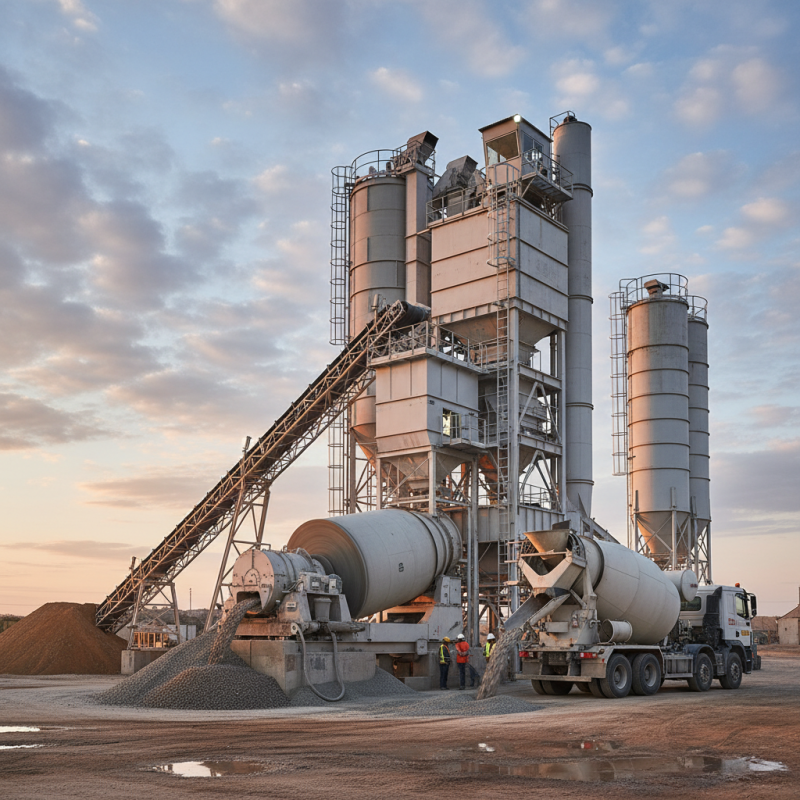
What is a Batch Concrete Plant and How Does It Work?

What is a Batch Concrete Plant?

A batch concrete plant is a facility designed to produce concrete in specific quantities. Unlike the continuous production of other plants, a batch plant mixes ingredients in batches. This ensures a high degree of quality control and flexibility in the concrete mixture. According to industry reports, batch plants account for over 70% of concrete production globally.

The process typically involves various components such as aggregates, cement, water, and additives. Each batch is measured and mixed to ensure consistency. High precision is essential, as variations can lead to weak concrete structures. This is critical because even small deviations can affect the overall durability.

**Tip:** Always check the accuracy of the measuring devices to avoid inconsistencies in your batch mixes.

Batch plants can range in size and complexity. Smaller plants might have manual controls, while larger facilities use advanced automation systems. This enables precise adjustments, but it can also introduce complexities. Operators must stay vigilant to prevent errors that could compromise the concrete quality.

**Tip:** Conduct regular training for plant operators to minimize mistakes in the batching process. The blend of experience and technology is key to achieving reliable results.

Key Components of a Batch Concrete Plant

A batch concrete plant is vital in construction projects. It ensures the precise mixing of ingredients to produce quality concrete. The key components enable efficient operation and accuracy in measurements.

One of the primary components is the aggregate storage system. It holds various types of aggregates like sand and gravel. Proper storage prevents contamination. There is also a weighing system that accurately measures each component. This accuracy is essential for maintaining concrete quality. A control system regulates the entire batching process, ensuring consistency in every mix.

Tip: Regular maintenance of your batching plant enhances its performance. Inspect components frequently to avoid unexpected downtimes. Additionally, operators should be well-trained. Their expertise can significantly impact the quality of the final product.

Another crucial component is the mixer. It blends the materials thoroughly. Choosing the right mixer type affects the concrete's workability and strength. There's also the discharge system, which delivers the finished mix to the transportation equipment efficiently.

Tip: Always document the mixing process. This practice can help identify issues and improve efficiency over time. Mistakes in batching can lead to weak concrete. Operators should be alert and follow protocols closely to prevent these common errors.

What is a Batch Concrete Plant and How Does It Work? - Key Components of a Batch Concrete Plant

Component Description Function
Aggregate Bins Storage containers for different sizes of aggregates (sand, gravel, etc.) Ensure proper measurement and mix of materials
Batching System System used for measuring out components of the mixture Accurately weighs each material for the concrete mix
Mixer Device that blends concrete ingredients together Achieves uniform consistency of the concrete mix
Control System Automated system to monitor and control the batching process Ensures precise operation and consistency in production
Cement Silos Storage for bulk cement Provides a reliable supply of cement for mixing
Conveyor Belts Transport aggregates to the mixer Facilitates the efficient movement of materials
Water Meter Measures the water added to the mixture Ensures the correct water-to-cement ratio

The Process Flow of Concrete Production

A batch concrete plant produces concrete by mixing various ingredients. The process begins with the careful measuring of raw materials. Aggregates, sand, cement, and water are weighed precisely. This ensures the right mix for strength and durability.

Once ingredients are measured, they move to the mixer. The mixer combines them into a uniform mixture. This step is crucial. If mixed improperly, the concrete can weaken. After mixing, the concrete is ready for transport. It may be poured into molds or loaded onto trucks. However, timing is vital. Concrete must be used within a specific timeframe to maintain its quality.

The production flow includes an important quality control stage. Samples may be taken and tested for strength. This ensures the final product meets industry standards. Sometimes, issues arise during production. Variability in materials can affect the mix. Workers must be vigilant to catch these problems early. Continuous monitoring and adjustments keep the process seamless. Reflecting on these challenges helps improve future batches.

Applications and Benefits of Batch Concrete Plants

Batch concrete plants play a crucial role in construction. They allow for precise mixing of concrete, ensuring quality and consistency. These plants are highly beneficial in large projects, where specific concrete mixes are required. Each batch can be tailored to meet the unique needs of the project. This flexibility is one of the key advantages of batch concrete plants.

Additionally, batch plants improve production efficiency. They minimize waste by accurately measuring materials. This process leads to cost savings and a more sustainable approach to construction. However, managing these plants can be complex. Operators must stay vigilant to prevent errors in mixing. Maintaining equipment requires regular inspections and skilled personnel.

The applications of batch concrete plants are extensive. They are used in highways, bridges, and commercial buildings. Their ability to produce large volumes quickly makes them essential. Yet, challenges remain in logistics and material handling. Finding the right mix for different projects can be a learning curve. Balancing quality and cost continues to require careful consideration.

Maintenance and Operational Considerations for Batch Plants

Batch concrete plants are intricate systems that require careful maintenance and operational oversight. Regular inspections are essential. Operators should check for wear and tear on equipment components. This includes mixers, conveyors, and silos. Keeping machinery clean and well-lubricated can prevent costly breakdowns. Sudden failures can disrupt production and lead to financial losses.


In addition to equipment checks, personnel training is vital. Workers should understand plant operations and safety protocols. An educated workforce can identify potential issues early. It’s also important to maintain quality control measures. Regular testing of concrete samples helps ensure consistency. Poor quality can lead to structural failures and safety risks.


A focus on effective communication within the team is crucial. When everyone shares concerns about equipment or processes, solutions can be found quickly. However, operators sometimes overlook minor issues. This often leads to bigger problems down the road. Proactive maintenance and a strong team culture can mitigate these risks.

Certified Quality System

© North Easton Machine Company, Inc. All rights reserved. • Site: Blog
NORTH EASTON MACHINE • 218 Elm Street • North Easton, MA 02356 • 508-238-6219