
Best Aba Blown Film Machine Features and Benefits?

The aba blown film machine stands out in the packaging industry. Its design maximizes efficiency while ensuring the production of high-quality films. Users often praise its ability to create lightweight yet strong barriers. This feature enhances product safety and shelf life.

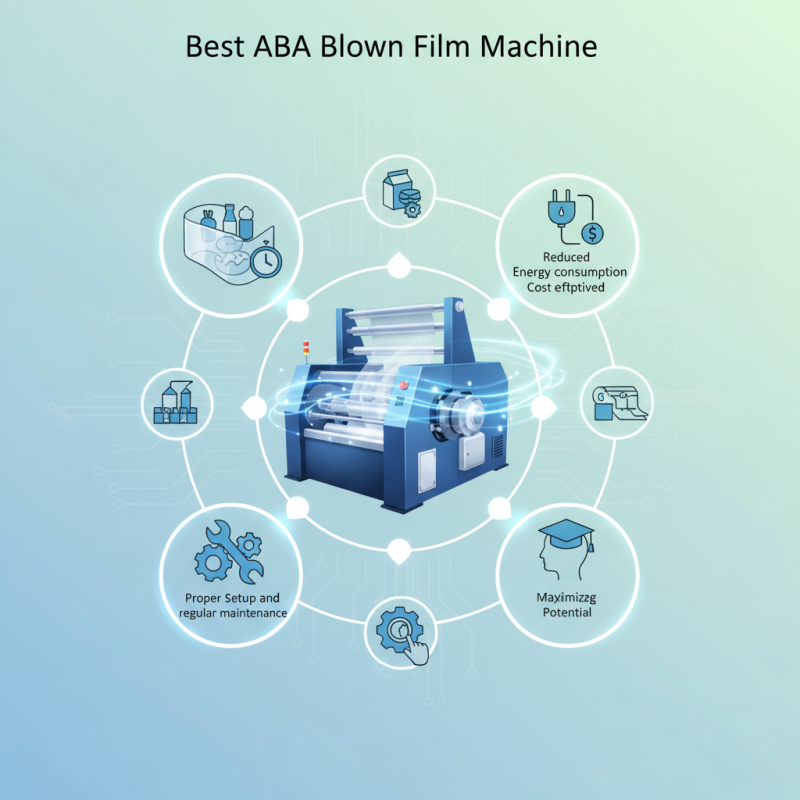
Moreover, energy consumption is a crucial factor. The ABA machine consumes less power, making it a cost-effective option. However, achieving optimal performance requires proper setup and regular maintenance. Many operators overlook this aspect, leading to underperformance.

The flexibility offered by the aba blown film machine allows for various applications. It can produce films for food packaging, industrial use, and more. Yet, not all operators take full advantage of its capabilities. Exploring its full potential could yield significant benefits. Innovation and improvement are continuous in this industry. Emphasizing training can lead to better use of the equipment.
Best Aba Blown Film Machine Features and Benefits?

Key Features of Aba Blown Film Machines

Aba blown film machines offer impressive features that enhance performance in film production. Their extrusion process ensures consistent thickness across the film, which is crucial for quality. The design allows for easy adjustment of parameters, promoting flexibility. Operators appreciate the simple interface, which minimizes the learning curve and speeds up the setup.

Another key feature is the energy efficiency of these machines. They often utilize advanced technologies to reduce power consumption. This not only lowers operational costs but also supports sustainable practices. However, some users report that achieving optimal efficiencies requires careful monitoring and adjustments. It can be a challenge, especially for new operators.

The ability to produce a variety of film types is another strong point. This includes everything from stretch film to agricultural film. Nevertheless, transitioning between film types may require additional training. Operators must understand material properties and machine settings well. This complexity can create room for improvement in the training process, ensuring all staff are adequately prepared.

Advantages of Using Aba Blown Film Technology

Aba blown film technology offers key advantages for various industries. One significant benefit is its ability to produce high-strength films. According to industry reports, films produced with Aba technology can reach tensile strengths of up to 40 MPa. This durability makes them ideal for packaging applications, reducing the risk of damage during transportation.

Another advantage is the efficiency of the manufacturing process. Aba equipment can operate at speeds of more than 300 meters per minute. This high output is crucial in meeting increasing market demands without compromising quality. Additionally, the technology minimizes waste. Research indicates that using Aba blown film machines can reduce film scrap rates by 15-20%.

However, implementing this technology can present challenges. Adequate training is necessary for operators to maximize productivity. The risk of incorrect settings could lead to defects in film quality. Continuous monitoring and adjustments may be required, which can strain resources. These factors need consideration before transitioning fully to Aba blown film technology.

Types of Materials Suitable for Aba Blown Film Production

Aba blown film production is gaining traction due to its versatility and efficiency. Various materials are preferred for this process. The common choices include polyethylene, ethylene vinyl acetate, and biodegradable materials. Each material has distinct properties that impact film strength and flexibility.

Polyethylene is widely used. It offers great moisture resistance. About 70% of blown films are made from this material, according to industry reports. Ethylene vinyl acetate provides enhanced clarity and softness. It significantly increases the film's toughness. Biodegradable materials are essential for sustainable development. They cater to environmentally conscious consumers. However, they often present challenges in processing.

Film producers must remain vigilant. Not all materials perform equally well on all machines. Some may require specific settings or additives for optimal results. Constant monitoring of production quality is necessary. Mistakes in material selection or processing can lead to significant waste. As the industry evolves, adapting to new materials is crucial for success.

Best Aba Blown Film Machine Features and Benefits

Feature Description Benefits Suitable Materials
High Output Rate Able to produce large quantities of film per hour. Increases productivity and reduces production time. LDPE, LLDPE, HDPE
Energy Efficient Utilizes advanced technology to reduce energy consumption. Lower operating costs and reduced ecological footprint. BOPP, PVC
Versatile Design Can be adjusted to produce various film thicknesses. Meets diverse customer needs. PP, ABA
User-Friendly Interface Features a simple and intuitive control panel. Easier operation and reduced training time for staff. Nylon, Coextruded Film
Durable Build Constructed with high-quality materials for longevity. Minimizes maintenance and replacement costs. PE, PS

Applications of Aba Blown Film in Various Industries

Aba blown film technology is increasingly gaining attention across various industries. Its primary applications include packaging, agriculture, and construction. In the packaging sector, for example, the global flexible packaging market was valued at approximately $248 billion in 2022. This growth is driven by sustainable solutions like blown films that minimize waste and enhance product shelf life.

In agriculture, aba blown films serve vital roles. They are used in greenhouse covers and mulch films that help conserve soil moisture. These films can significantly increase crop yield by 20-30% in certain instances. Their ability to optimize light transmission and manage temperature makes them indispensable.

Tips: When selecting aba blown films, consider the specific needs of your application. For instance, choose the right thickness to balance durability and flexibility. Additionally, evaluate the environmental impact. It's crucial to reflect on the lifecycle of the materials used in production.

The construction industry also benefits from aba blown films. They are used as vapor barriers, ensuring energy efficiency in buildings. However, the performance can vary based on climate and installation quality. Understanding local conditions is essential for maximizing their effectiveness.

Maintenance Tips for Optimal Performance of Aba Blown Film Machines

Maintaining an ABA blown film machine is key for optimal performance. Regular checks can prevent larger issues. Inspect the die and air ring weekly. Contaminants in these areas can affect film quality. Cleaning these parts helps maintain smooth operation.

Temperature control is critical. Too high or too low can lead to defects. A thermometer can ensure proper adjustments. Monitor the cooling system as well. Improper cooling causes uneven film thickness. Remember, not all machines are the same. Tailor your maintenance routine to your specific model.

Developing a detailed maintenance schedule is helpful. Regular lubrication keeps parts from wearing out. Keep an eye on the extruder for unusual sounds. Addressing minor issues before they escalate is wise. Understand that neglecting these tasks may lead to costly repairs later.

Consider creating a log for maintenance activities. This practice promotes consistency and accountability.

Certified Quality System

© North Easton Machine Company, Inc. All rights reserved. • Site: Blog
NORTH EASTON MACHINE • 218 Elm Street • North Easton, MA 02356 • 508-238-6219