
2026 Top Die Casting Mold Trends for Global Buyers?
The Die Casting Mold industry is evolving rapidly. Global production of die-cast parts is expected to reach around $35 billion by 2026. This growth reflects a rising demand for lightweight materials in sectors like automotive and electronics.
Die casting molds are crucial for producing high-quality components with precision. Advances in technology have improved mold design and efficiency. However, challenges like rising material costs and the need for sustainable practices remain.
In response, manufacturers are exploring innovative solutions. Some are adopting 3D printing for rapid mold development. Others are emphasizing the use of recyclable materials. These trends indicate a commitment to both quality and environmental responsibility. The future of die casting molds lies in balancing innovation with sustainability.
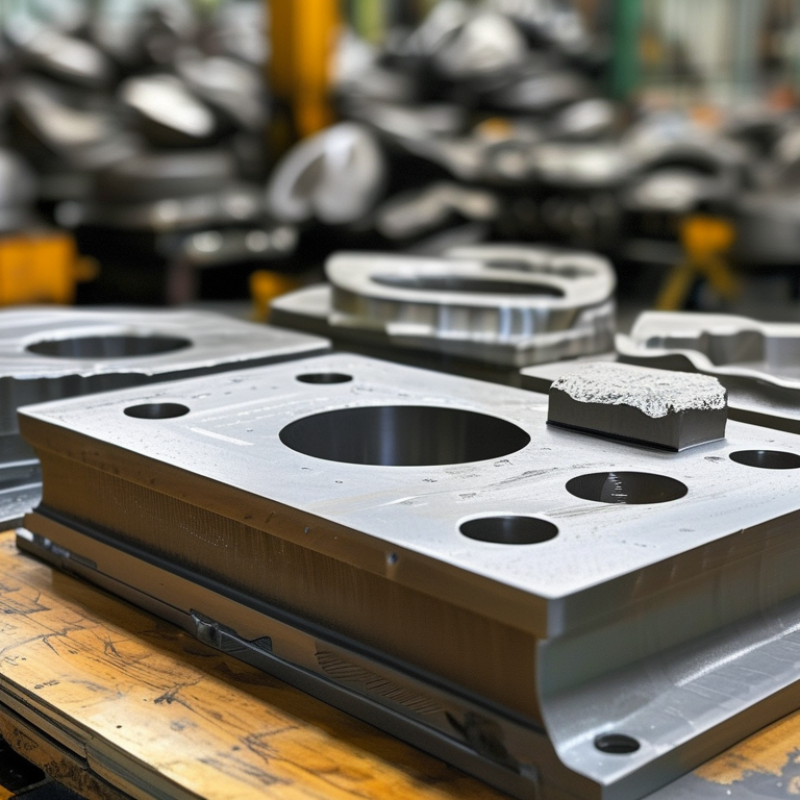
Emerging Technologies in Die Casting Mold Design for 2026
The die casting industry is on the brink of transformation as we approach 2026. One key area is the adoption of advanced simulations. According to recent reports, companies leveraging simulation software can reduce design time by up to 30%. This technology allows designers to visualize mold behavior and streamline iterations before physical production begins.
3D printing technology is another emerging trend. This approach enables rapid prototyping of mold components. Research indicates that 3D printing can decrease lead times by as much as 50%. It also allows for complex geometries that are not achievable with traditional manufacturing methods. Despite these advantages, challenges remain in material selection and durability.
Moreover, the integration of IoT in die casting molds is gaining traction. Sensors embedded in molds provide real-time data on temperature and pressure. This innovation enhances product quality and reduces waste. Industry studies show that companies utilizing IoT experience a 20% reduction in defects. Yet, the initial costs and technical expertise required pose barriers for some manufacturers. The drive for efficiency is paramount, but not without its hurdles.
Sustainability Practices in Die Casting Mold Production
In recent years, the die casting industry has increasingly focused on sustainability. Mold production practices have evolved to address environmental concerns. Using recycled materials is becoming common. This reduces waste and lowers carbon emissions. However, not all practices are widely adopted. Some manufacturers still rely on traditional methods that are less eco-friendly.
Life cycle assessments show that sustainable molds offer long-term benefits. Energy-efficient production techniques can significantly cut down energy consumption. Innovations such as 3D printing in mold making help minimize material waste. Yet, the cost of implementing these technologies can be a barrier. Smaller companies often struggle to keep up with larger competitors who are adopting green practices.
There is still room for improvement. Not every aspect of die casting has gone green. The challenge lies in balancing cost, efficiency, and sustainability. Continuous investment in research and development is needed. Collaboration across the industry can drive more sustainable practices. Taking these steps can help the industry move towards a more environmentally friendly future.
2026 Top Die Casting Mold Trends for Global Buyers
This chart illustrates the top trends in die casting mold production for 2026 that are significant to global buyers. The importance of sustainability practices leads the trends, followed by customization and cost efficiency, highlighting the industry's focus on environmentally friendly and adaptable solutions.
Market Demand Forecast for Die Casting Molds in Global Industries
The global die casting mold market is anticipated to witness robust growth through 2026. Factors driving this demand include increasing automation in manufacturing processes and the rise of electric vehicles. Recent reports suggest that the market could expand at a compound annual growth rate (CAGR) of approximately 7% during the forecast period. This rise will heavily impact industries such as automotive, aerospace, and consumer electronics.
As the demand for lightweight materials grows, die casting molds must adapt. Industry reports highlight that aluminum and magnesium alloys will dominate due to their favorable strength-to-weight ratio. Global buyers should prioritize suppliers capable of producing high-quality molds that maintain precision at scale. Investing in advanced technologies like 3D printing for mold production is becoming essential.
Recognizing the importance of sustainability in manufacturing is key for future growth. Many companies are exploring eco-friendly materials and processes. Selecting suppliers committed to reducing carbon footprints can enhance a company's reputation and appeal to consumers. The challenge remains in finding balance—higher sustainability often comes with increased costs. Buyers must weigh these factors carefully while making decisions.
Innovations in Materials for Die Casting Molds and Their Impact
The die casting industry is witnessing remarkable innovations in materials, reshaping mold design and production efficiency. Advanced composites and lightweight alloys are gaining traction. These materials enhance mold durability and thermal conductivity. Increased resistance to wear and corrosion extends the lifespan of molds. As a result, manufacturers can achieve better precision and lower costs.
However, it’s essential to consider the implications. New materials may require alterations in processing techniques. This shift can pose challenges for those accustomed to traditional methods. Stakeholders need to invest in training and adapt their workflows accordingly. The transition could be gradual, and patience is crucial during this learning curve.
When exploring these innovations, assess the compatibility of new materials with existing equipment. Testing prototypes early in the process can help identify potential issues. Additionally, stay updated on industry research and trends. Knowledge sharing among peers can provide valuable insights into successful implementations. Consider collaborating with material scientists or engineers to fully leverage these advancements.
Key Players and Competitors in the Global Die Casting Mold Market
The global die casting mold market is evolving rapidly. Key players are focusing on innovation to meet diverse needs. They are investing in advanced technology and materials. This enhances quality and reduces production costs. Emerging trends are shaping competitive dynamics.
Several companies are leading the market. They bring expertise and experience to the table. However, the competition is intense. Smaller firms are also carving out niches. They may lack resources but often spark innovation. Collaboration between big and small players can lead to breakthroughs.
Challenges persist in this market. Quality control can be an issue. The demand for precision molds continues to grow. Meeting these demands requires constant refinement. The balance between cost and quality remains tough. Companies must adopt sustainable practices while enhancing performance. This is where ongoing dialogue between sectors becomes crucial.
2026 Top Die Casting Mold Trends for Global Buyers
| No. | Trend | Impact Level | Region | Year of Major Adoption |
|---|---|---|---|---|
| 1 | Automation in Die Casting | High | North America | 2023 |
| 2 | Sustainable Materials | Medium | Europe | 2024 |
| 3 | 3D Printing Integration | High | Asia-Pacific | 2025 |
| 4 | Smart Mold Technology | High | Global | 2026 |
| 5 | Increased Demand in Automotive Sector | High | North America | 2023 |
Article Source:
NORTH EASTON MACHINE • 218 Elm Street • North Easton, MA 02356 • 508-238-6219